
My 10-Day Route Through Provence & the French Riviera
There’s a difference between visiting Provence and the French Riviera—and experiencing it well.
This past trip was a 10-day, self-guided route from Marseille through the heart of Provence and down into the Riviera, designed to do exactly that. Not just to see the places everyone talks about, but to understand how they actually feel, how they flow together, and where thoughtful choices elevate the entire experience.
Along the way, I stayed in a mix of iconic properties and under-the-radar standouts, spent time in both well-known villages and quieter corners, and paid close attention to the details that shape a trip—service, setting, pace, and overall experience.
This is the exact route I’d recommend, with notes throughout on where to stay, what makes each stop special, and how to make this part of France feel seamless from start to finish.
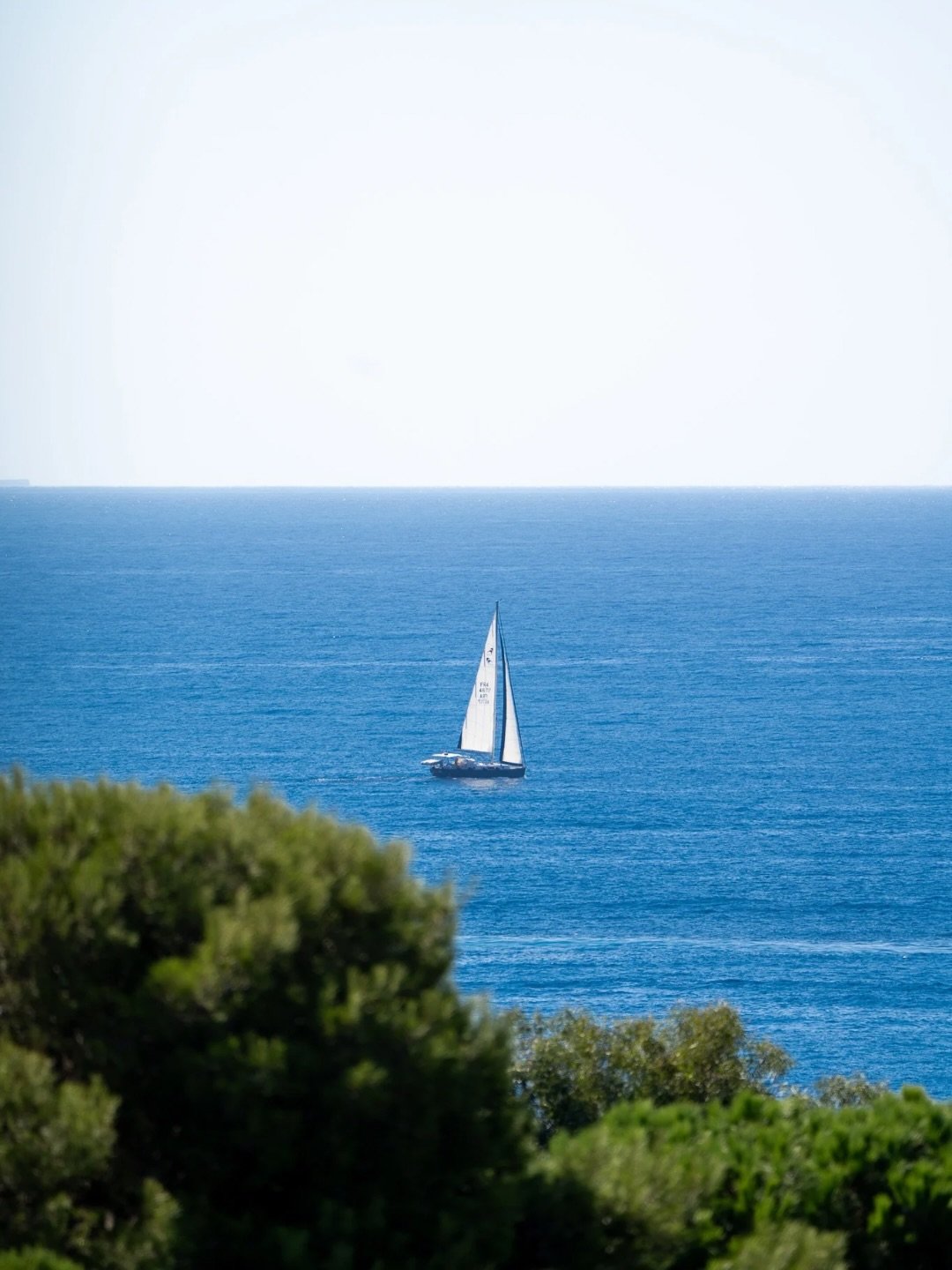
Days 1 & 2 – A Lively Introduction to Provence
Base: Aix-en-Provence
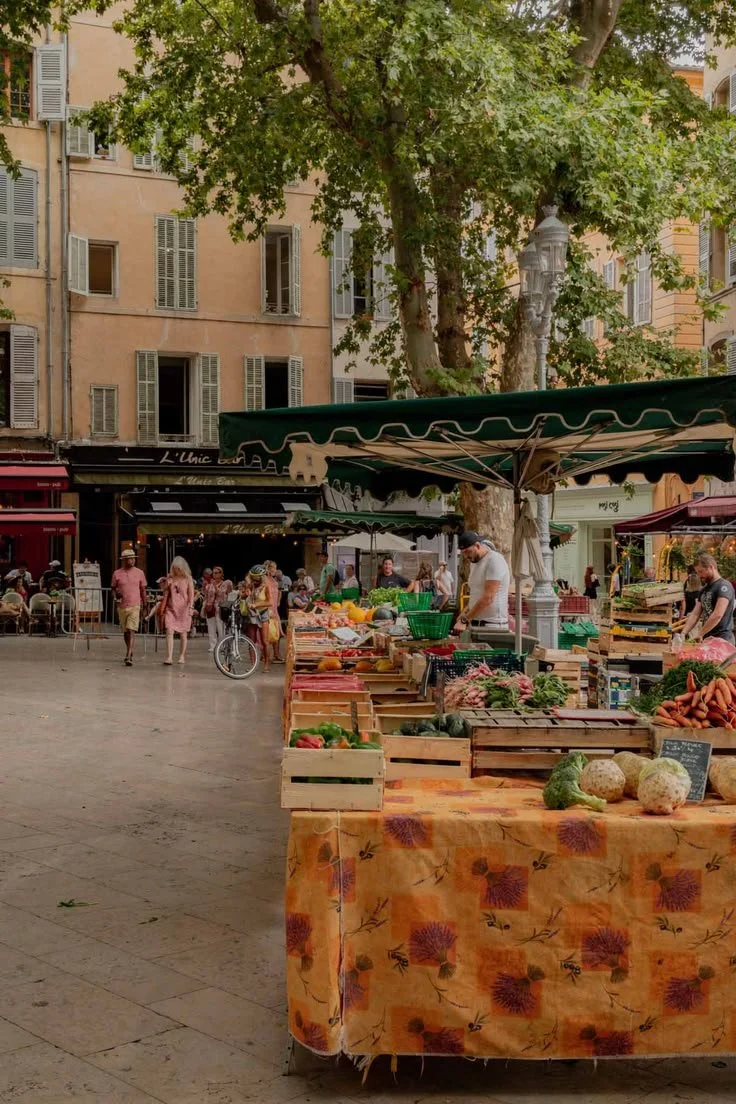
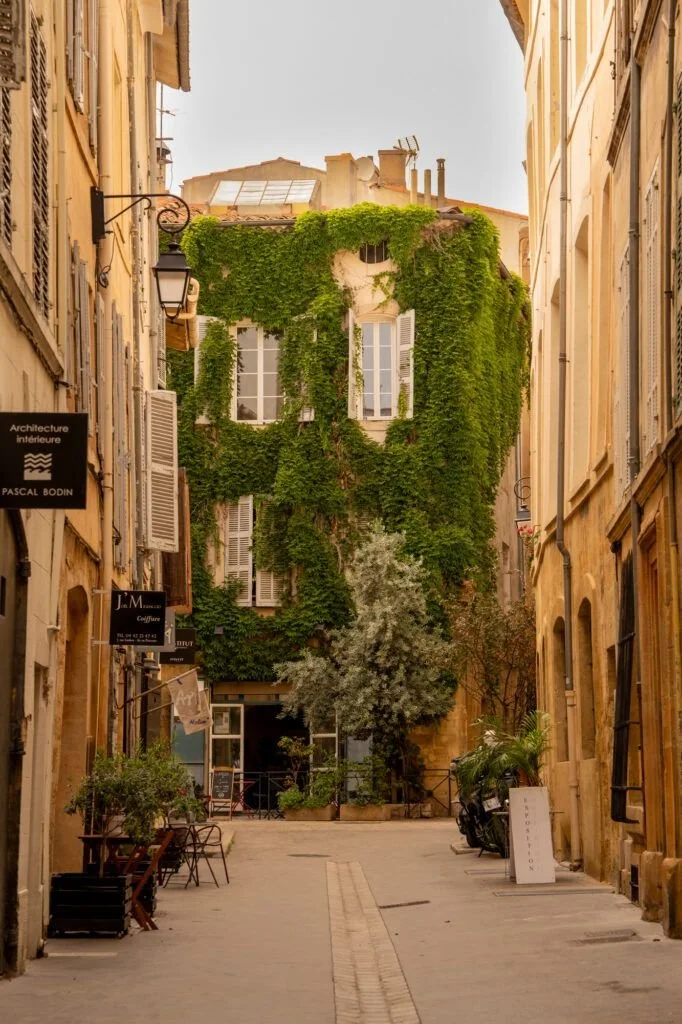
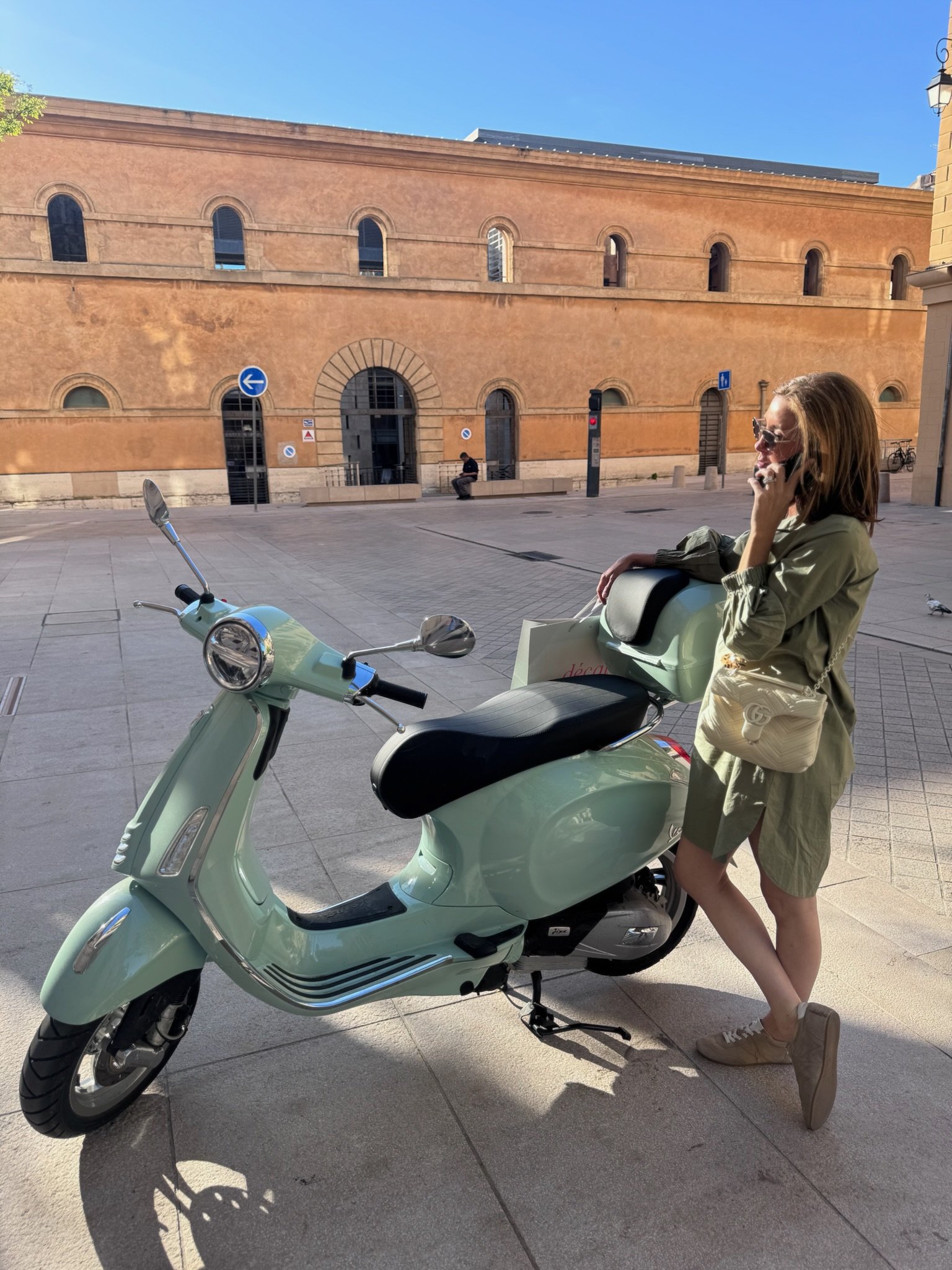
I arrived via Marseille and made my way into Aix-en-Provence, which felt like the right place to begin—an easy, natural entry into the South of France. Aix has a liveliness to it that you don’t always find in smaller Provençal villages. It’s refined but not overly formal, energetic without feeling overwhelming, and incredibly walkable.
The first couple of days here are less about checking things off a list and more about settling in—getting a feel for the pace, the light, the rhythm of mornings turning into long afternoons. It’s a place that invites you to wander without much of a plan, where the streets, shops, and cafés naturally pull you in.
My Take: I always think Aix is one of the best places to start a Provence itinerary. It’s larger, which means great shopping and dining, but it still holds onto that charm and ease you want from the region. It gives you just enough structure before moving into the slower, more rural parts of Provence.
Villa Saint-Ange
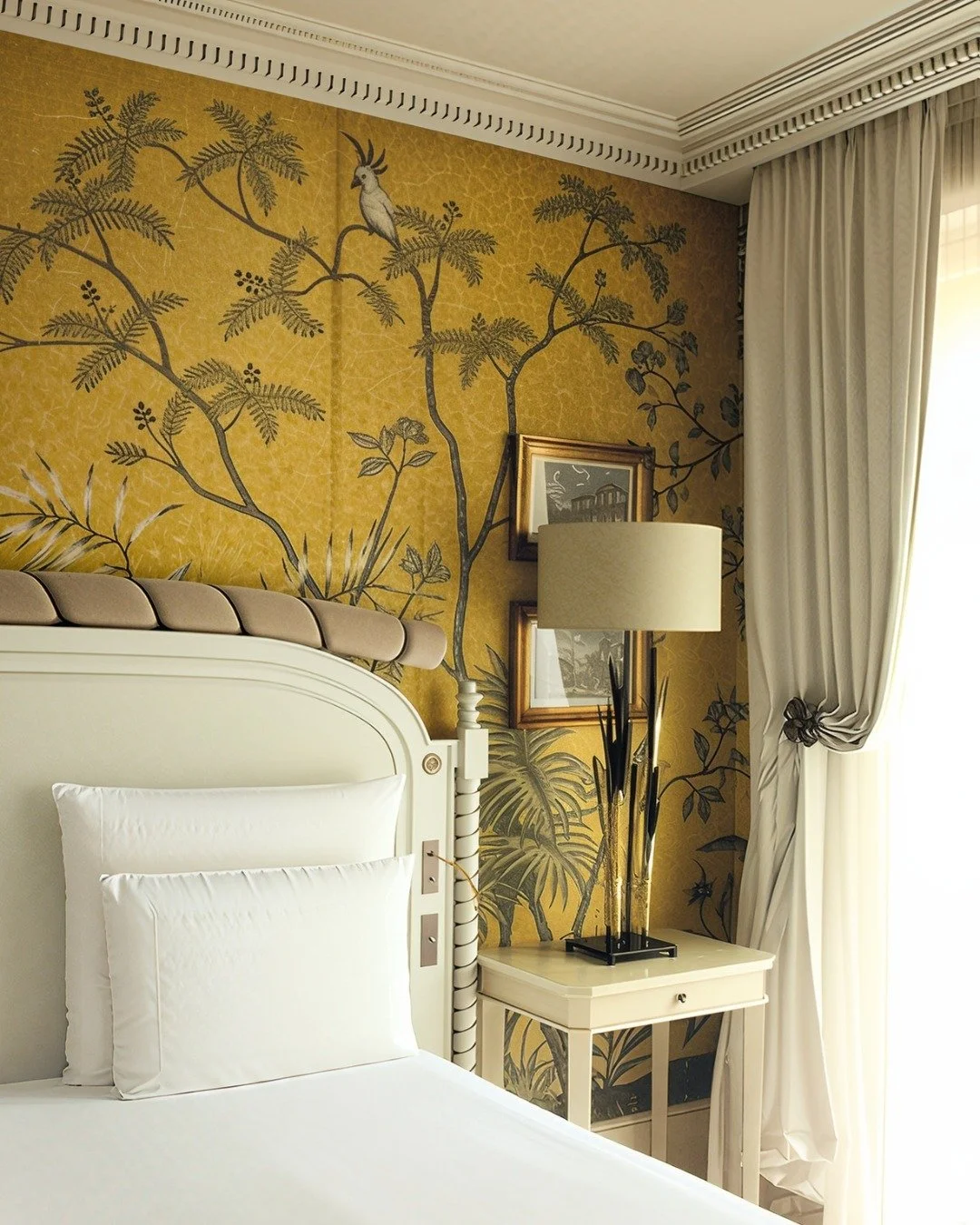
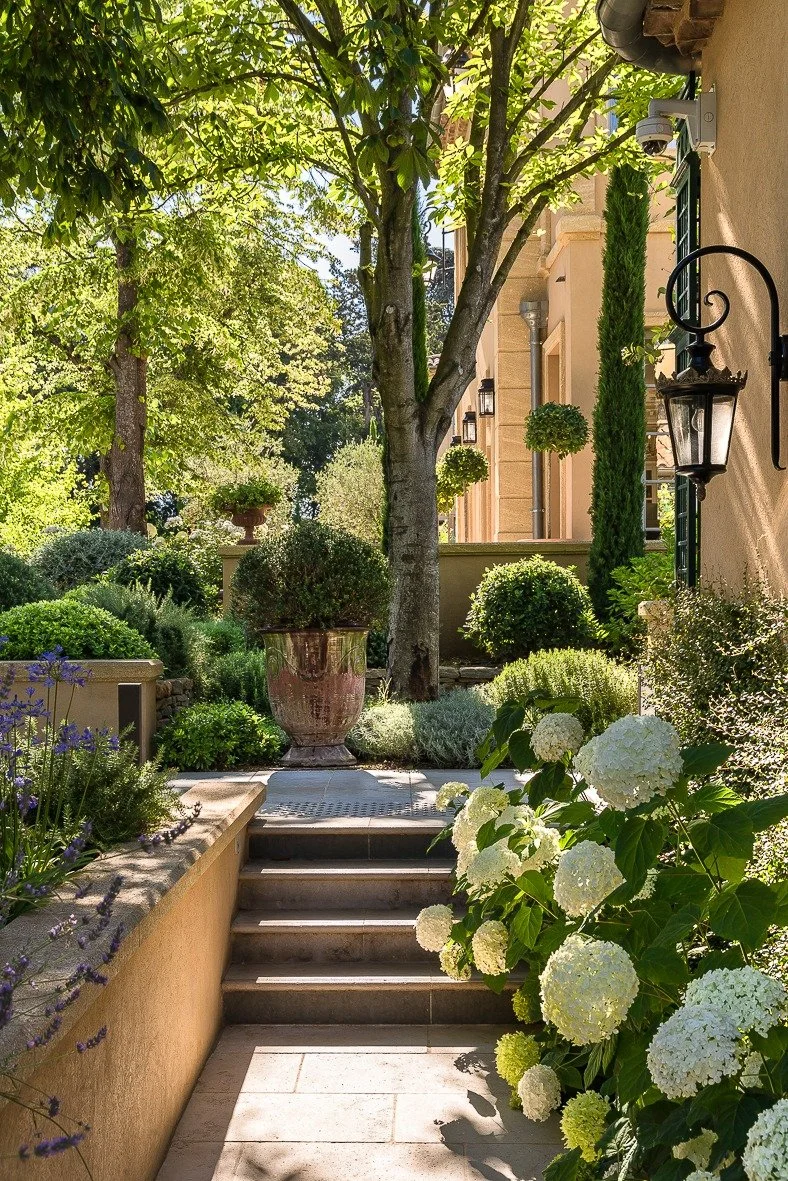
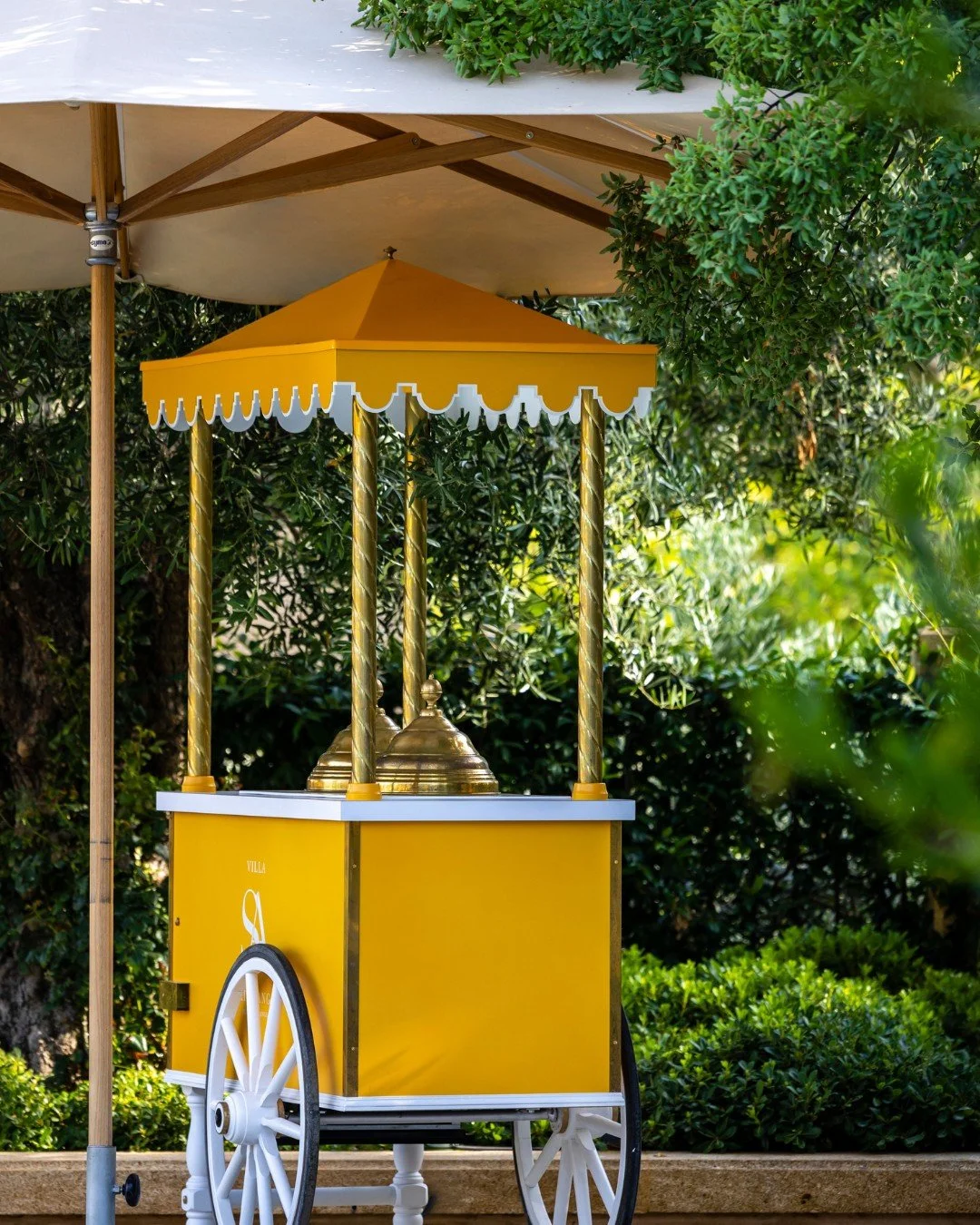
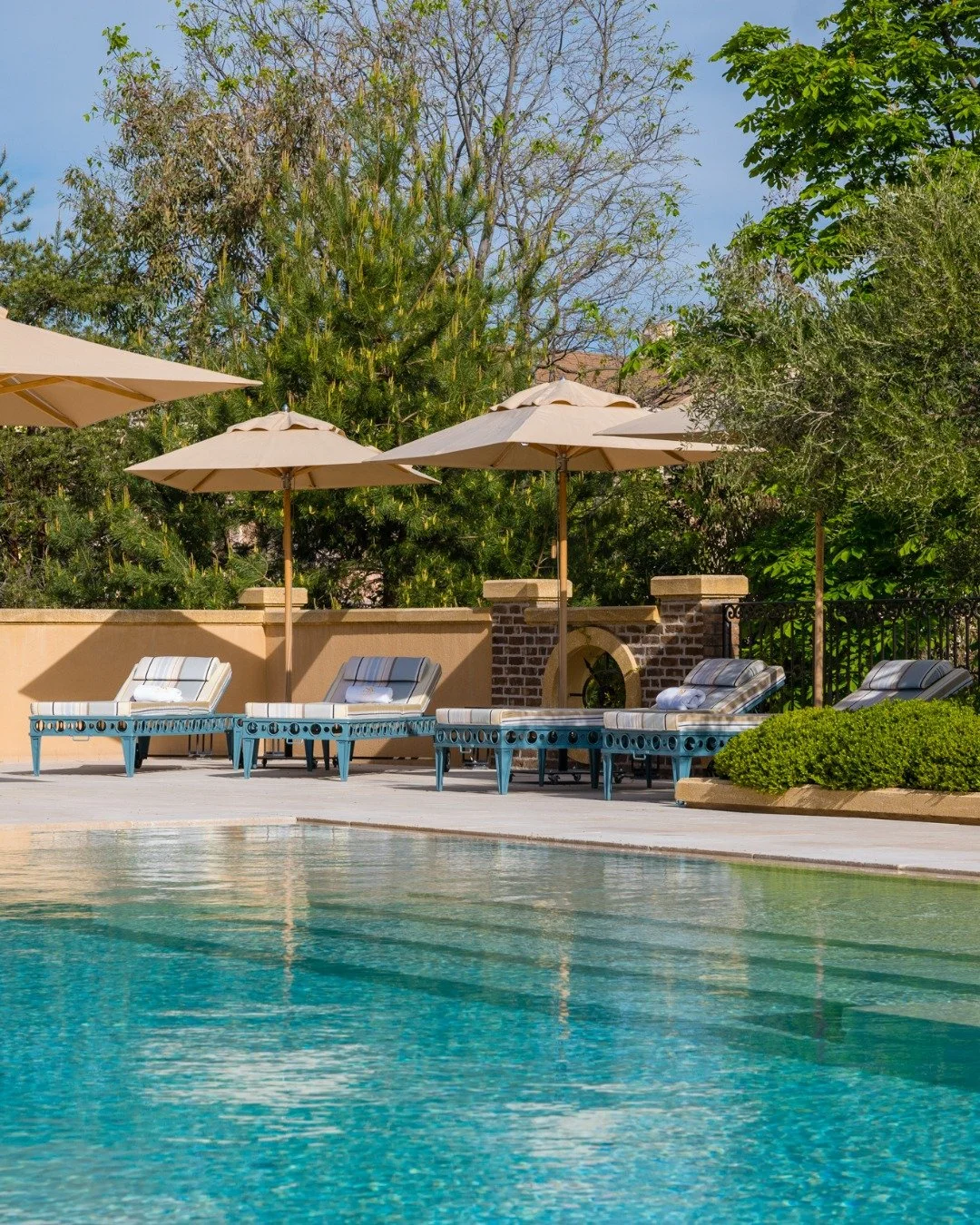
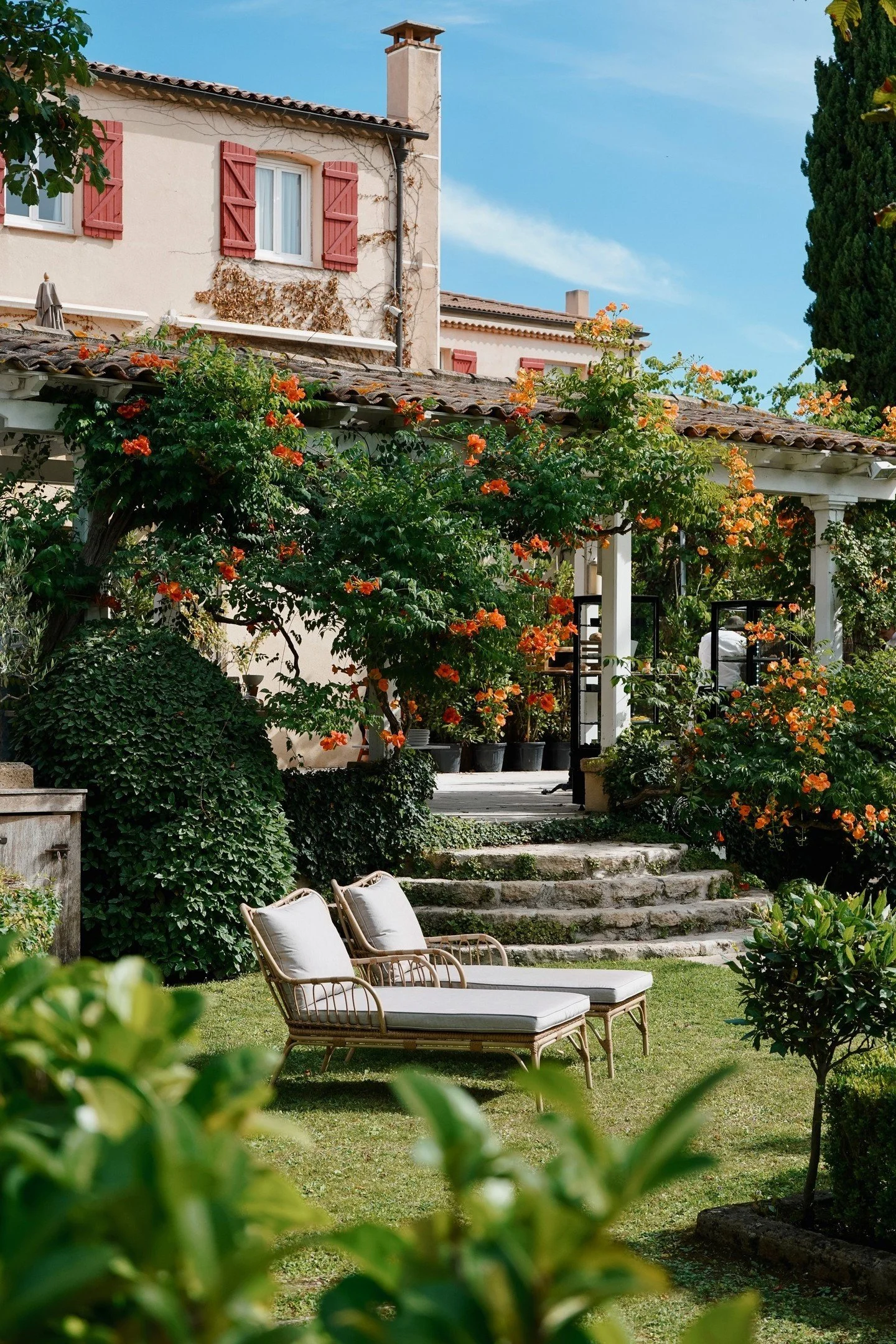
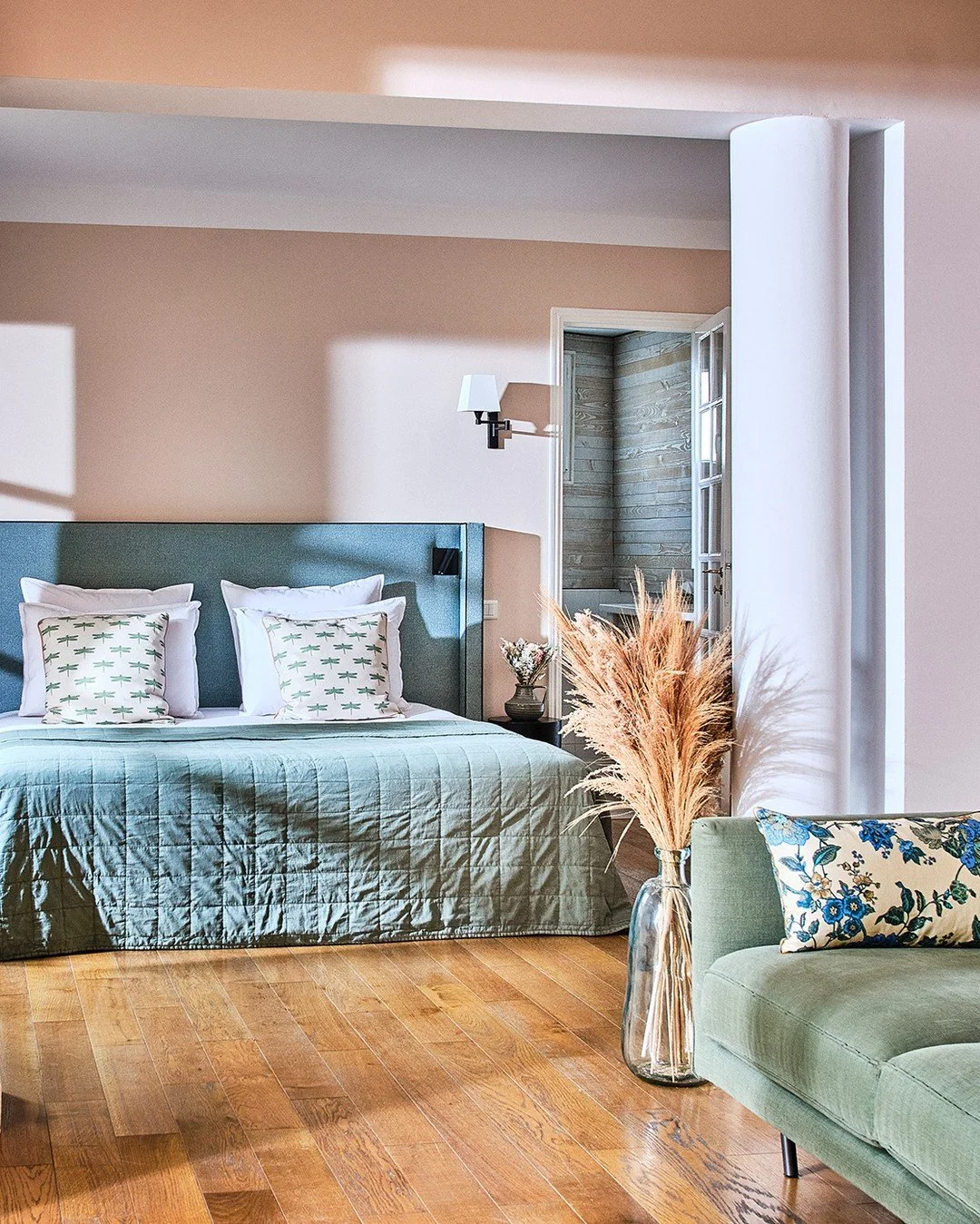
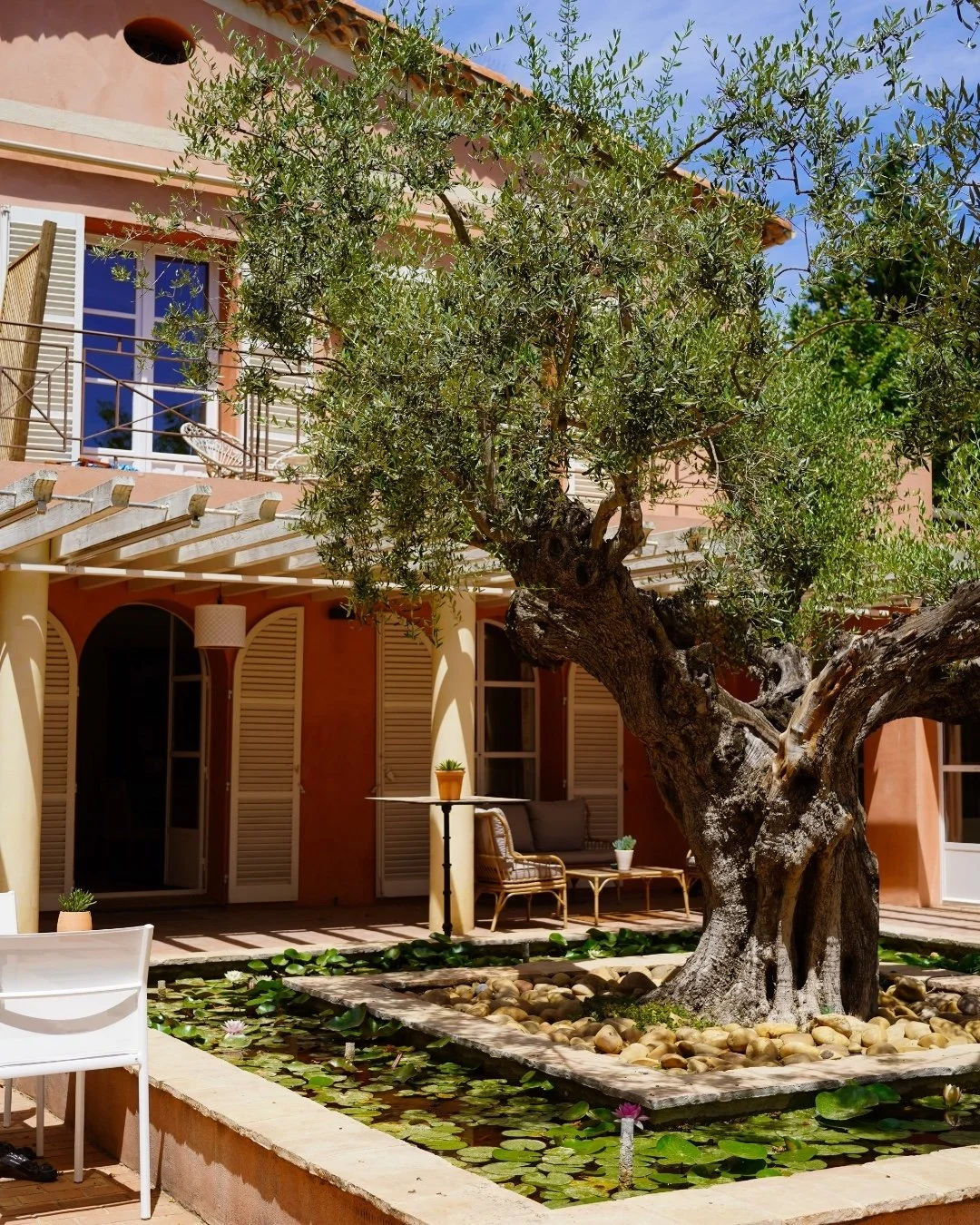
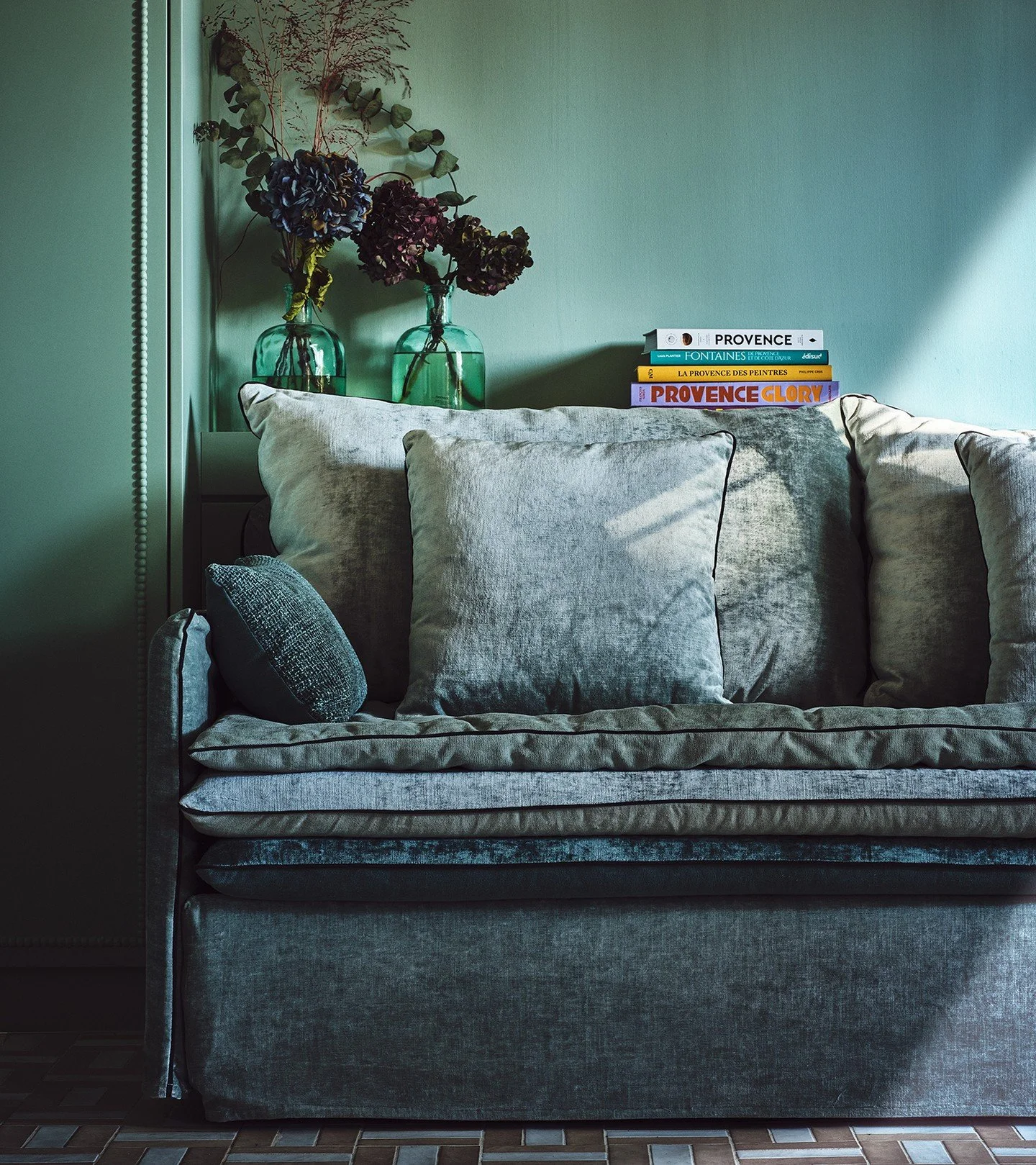
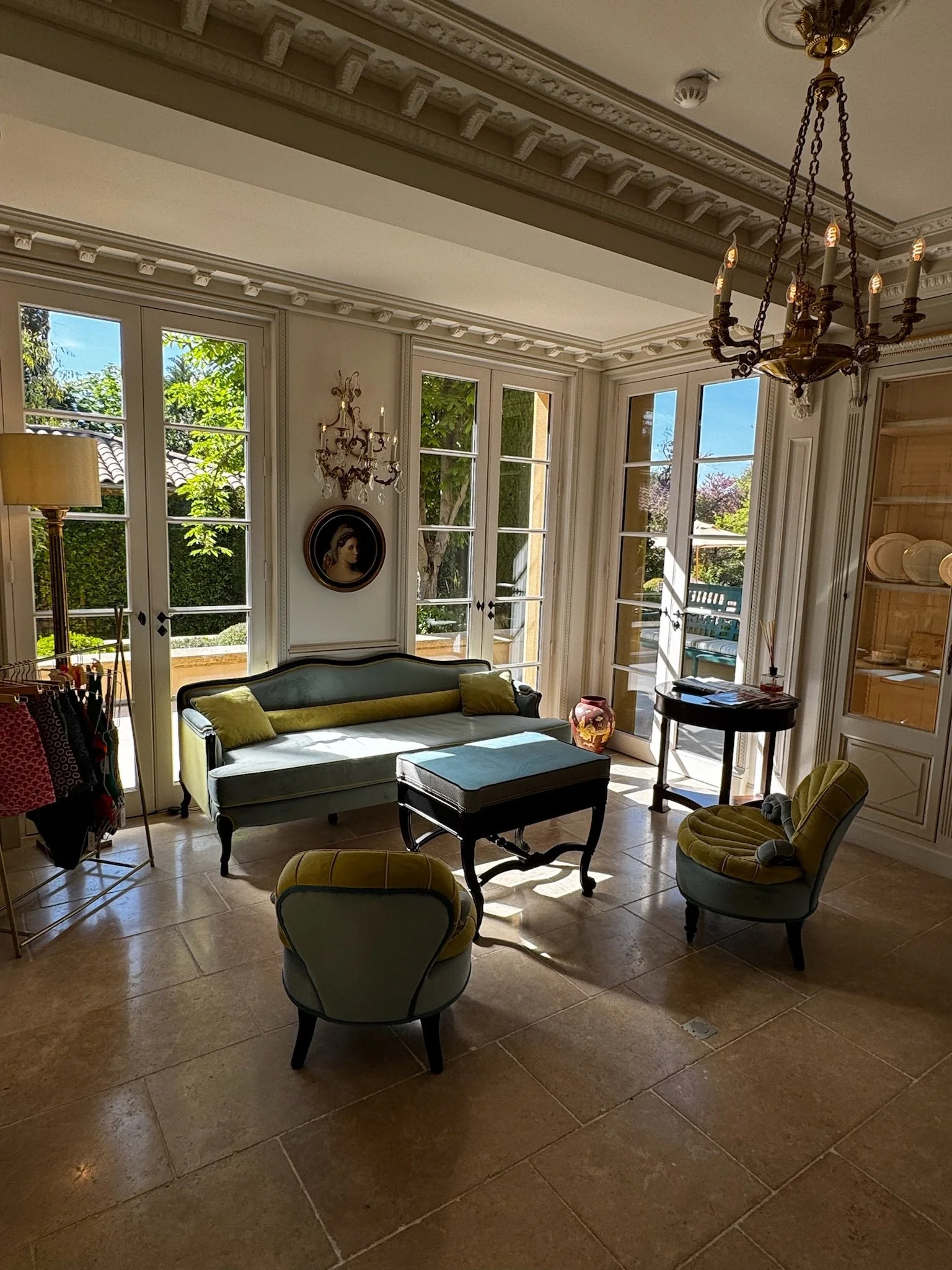
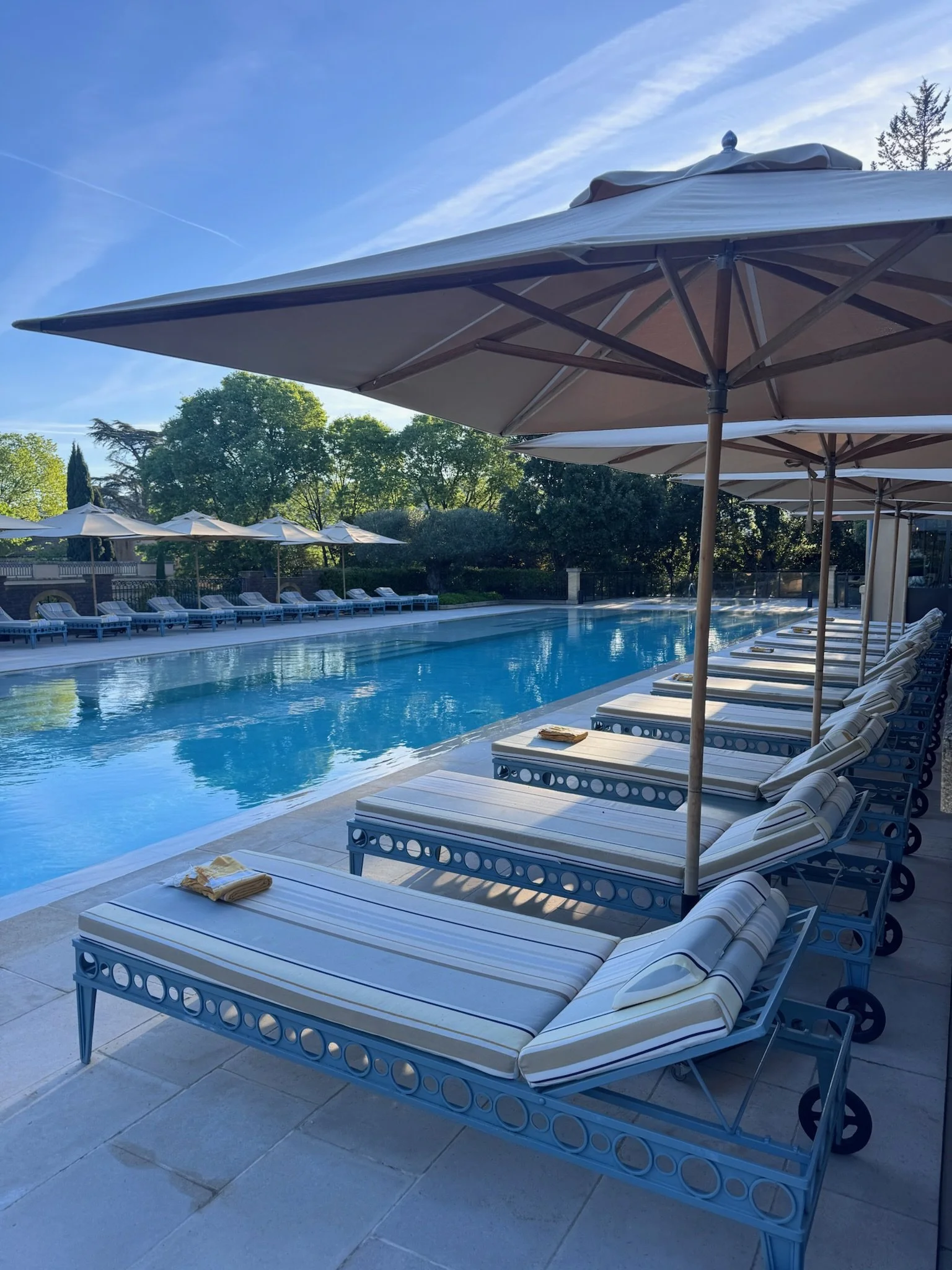
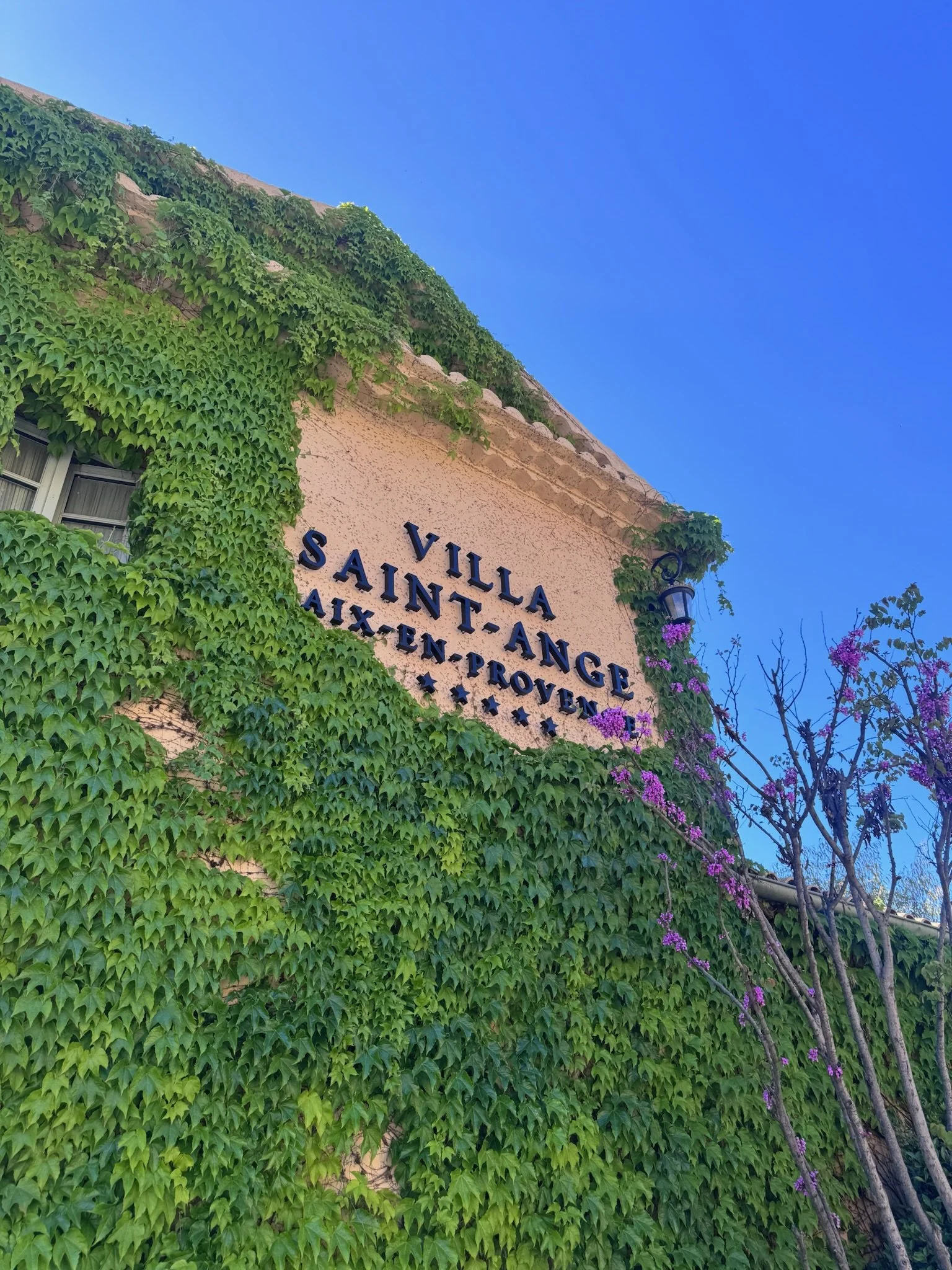
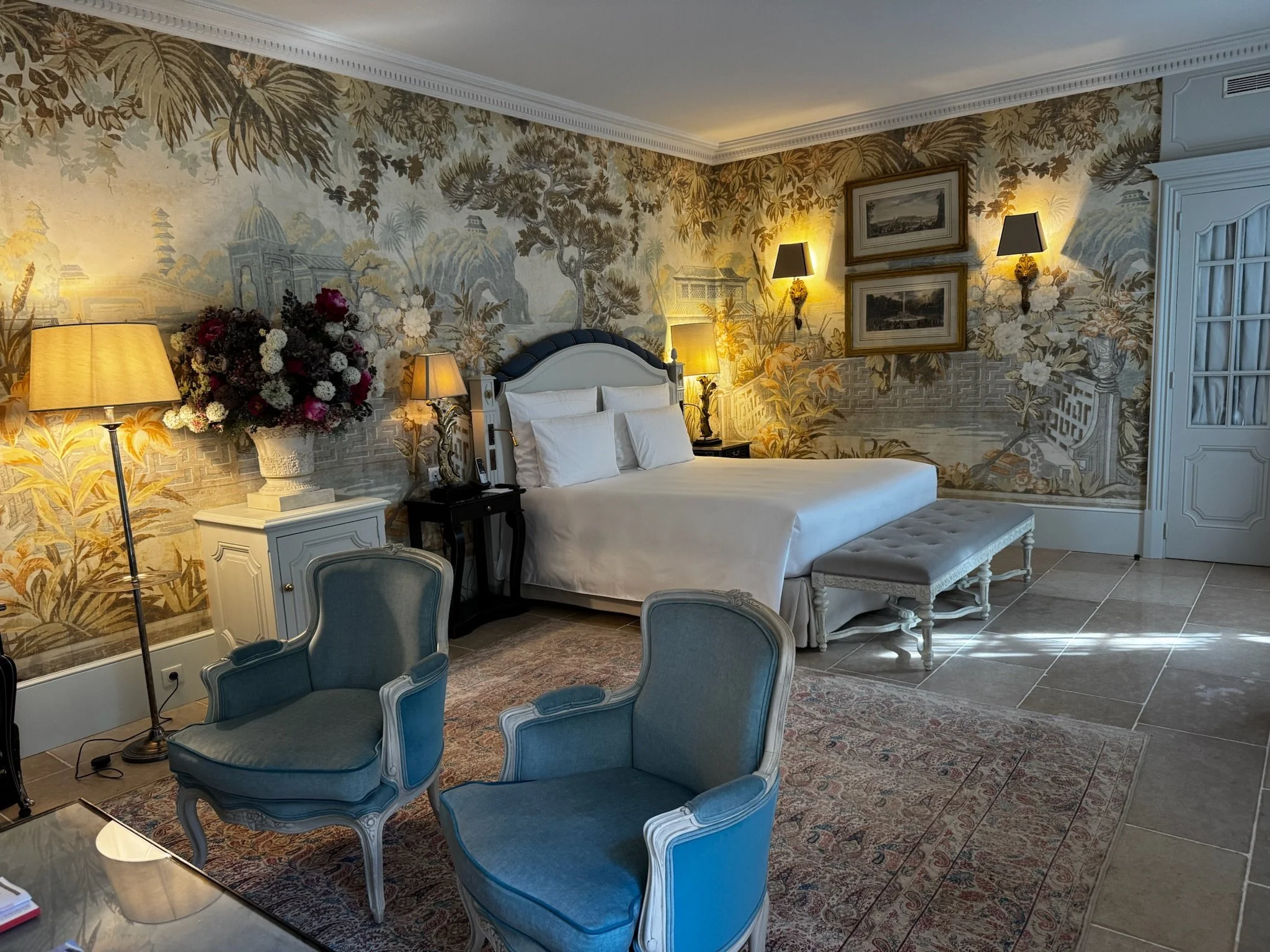
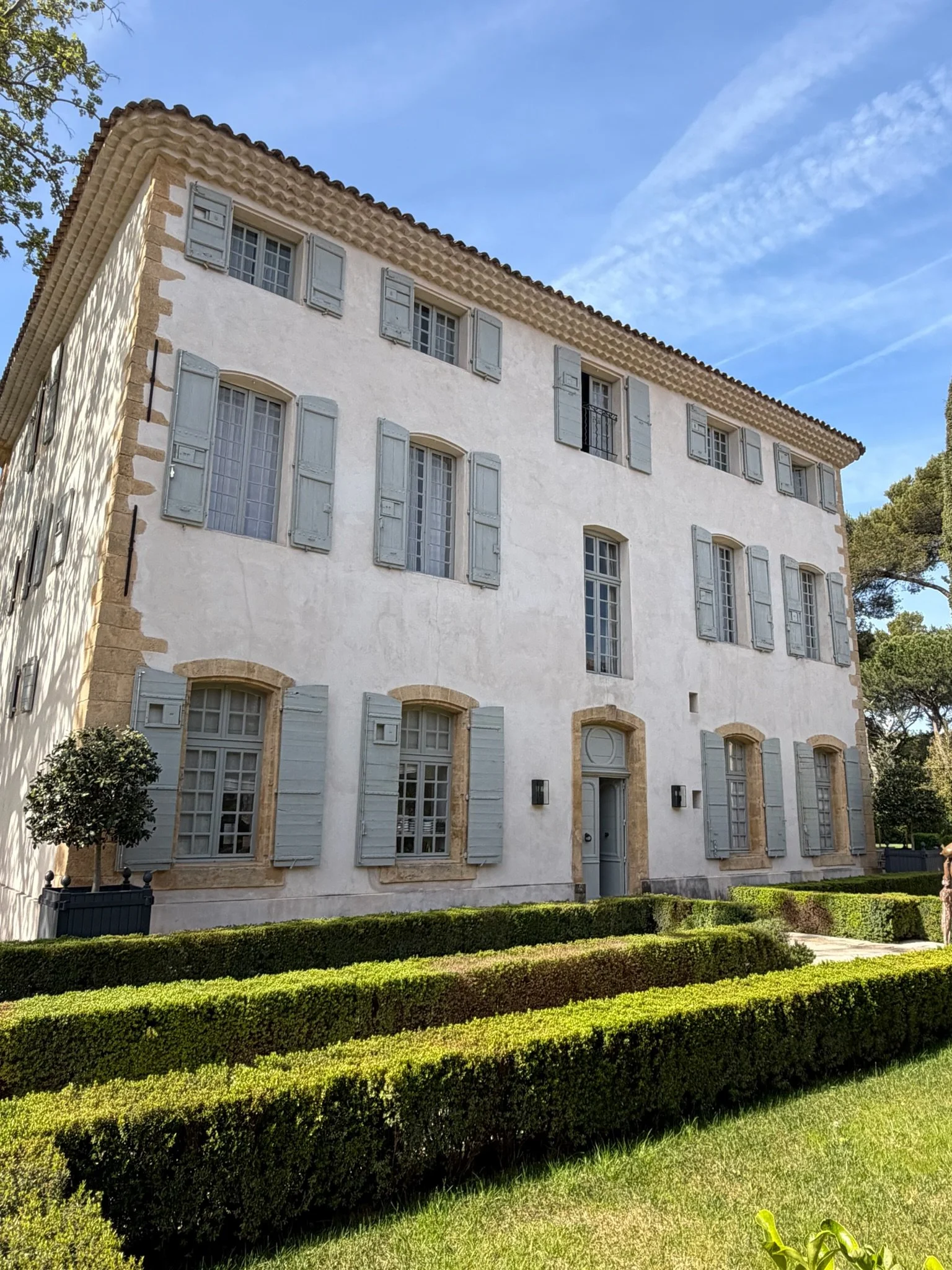
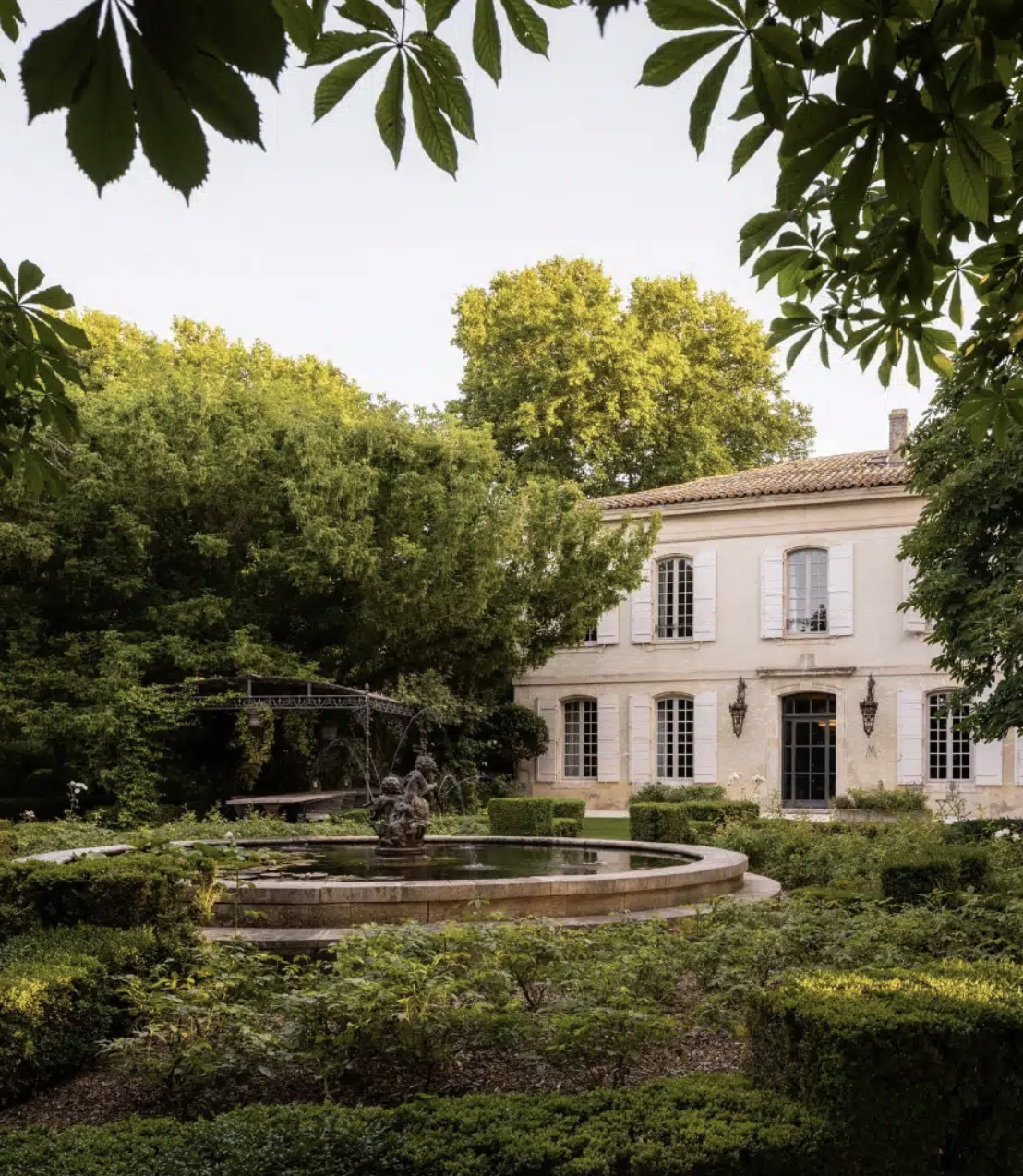
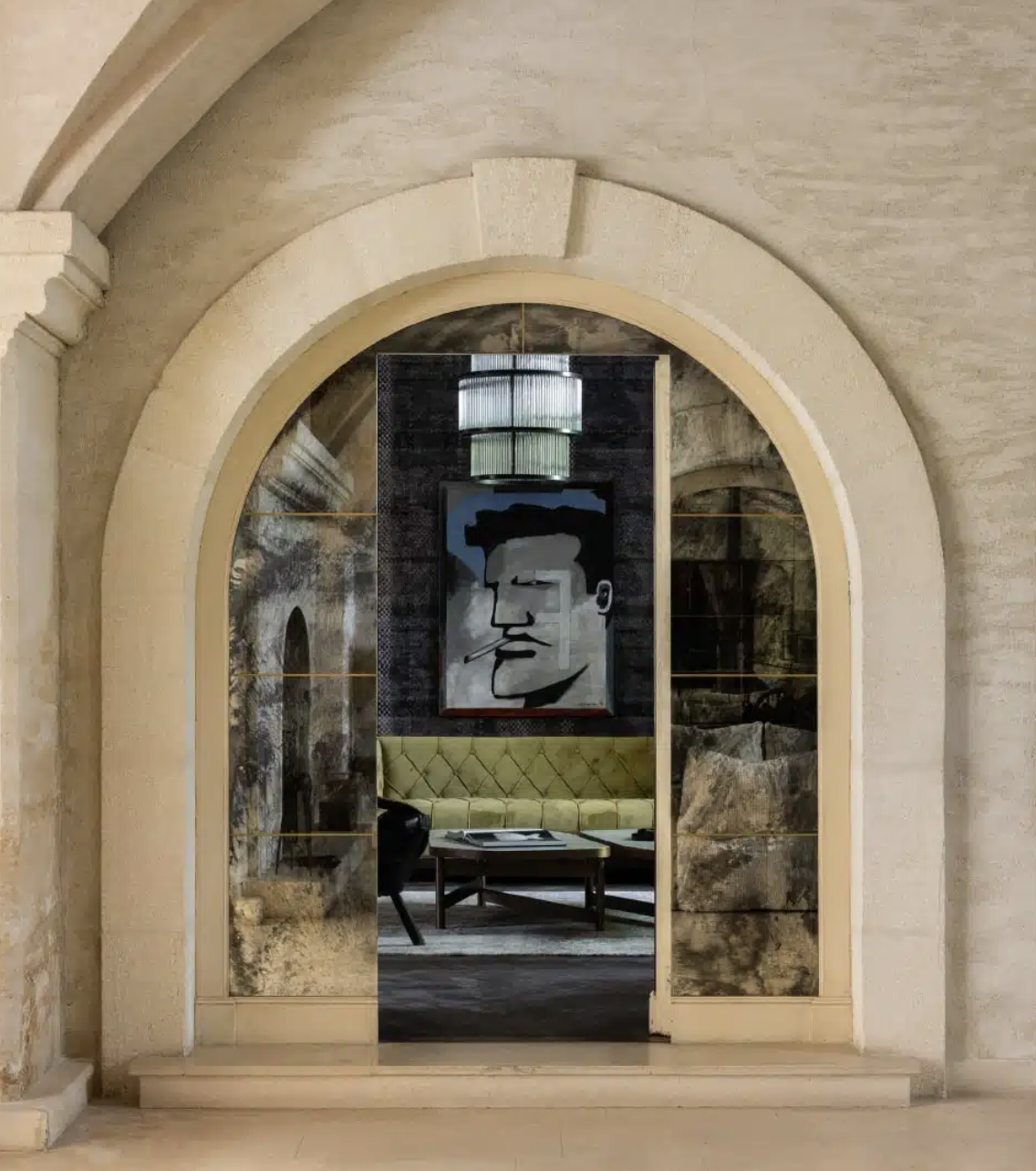
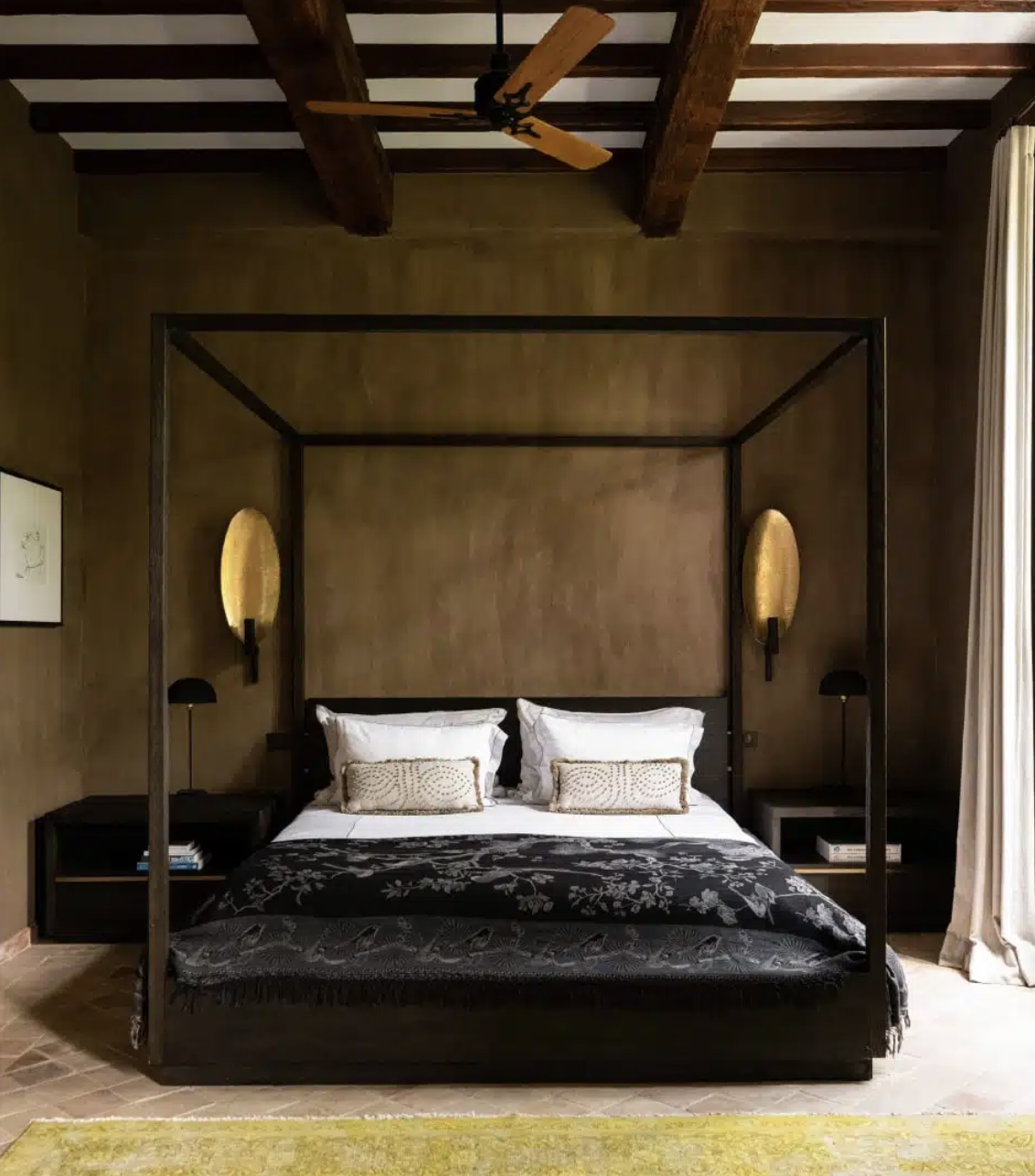
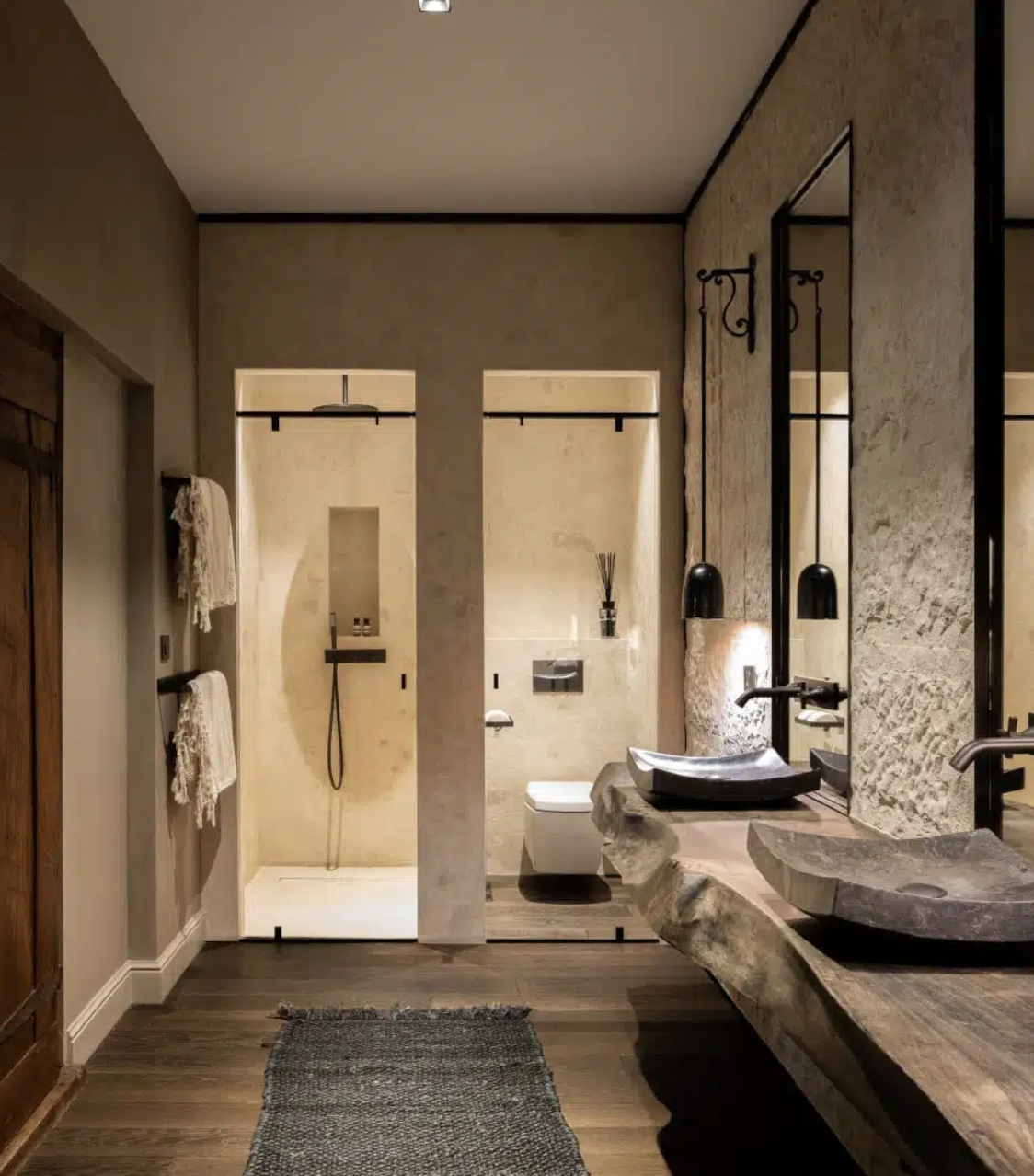
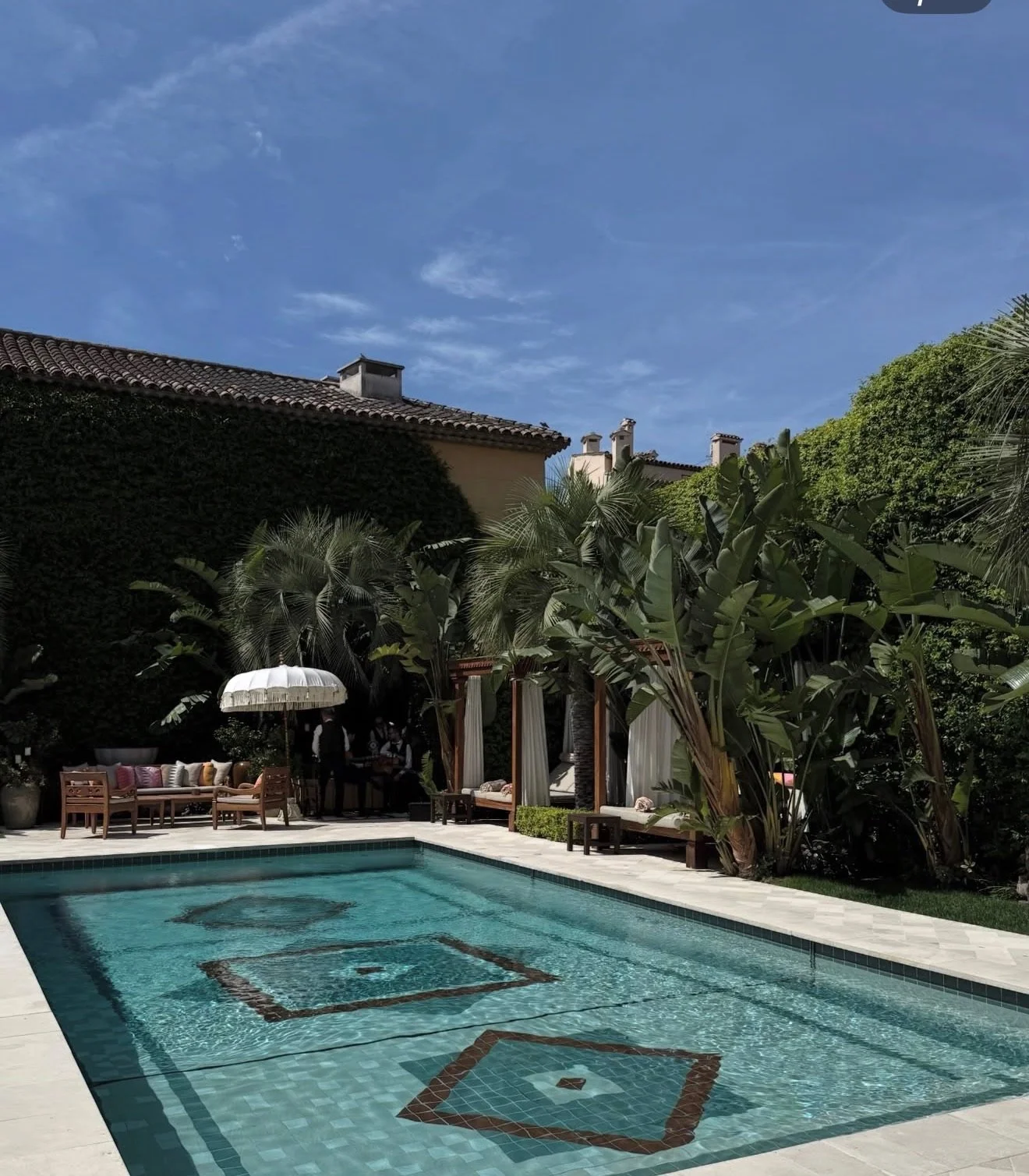
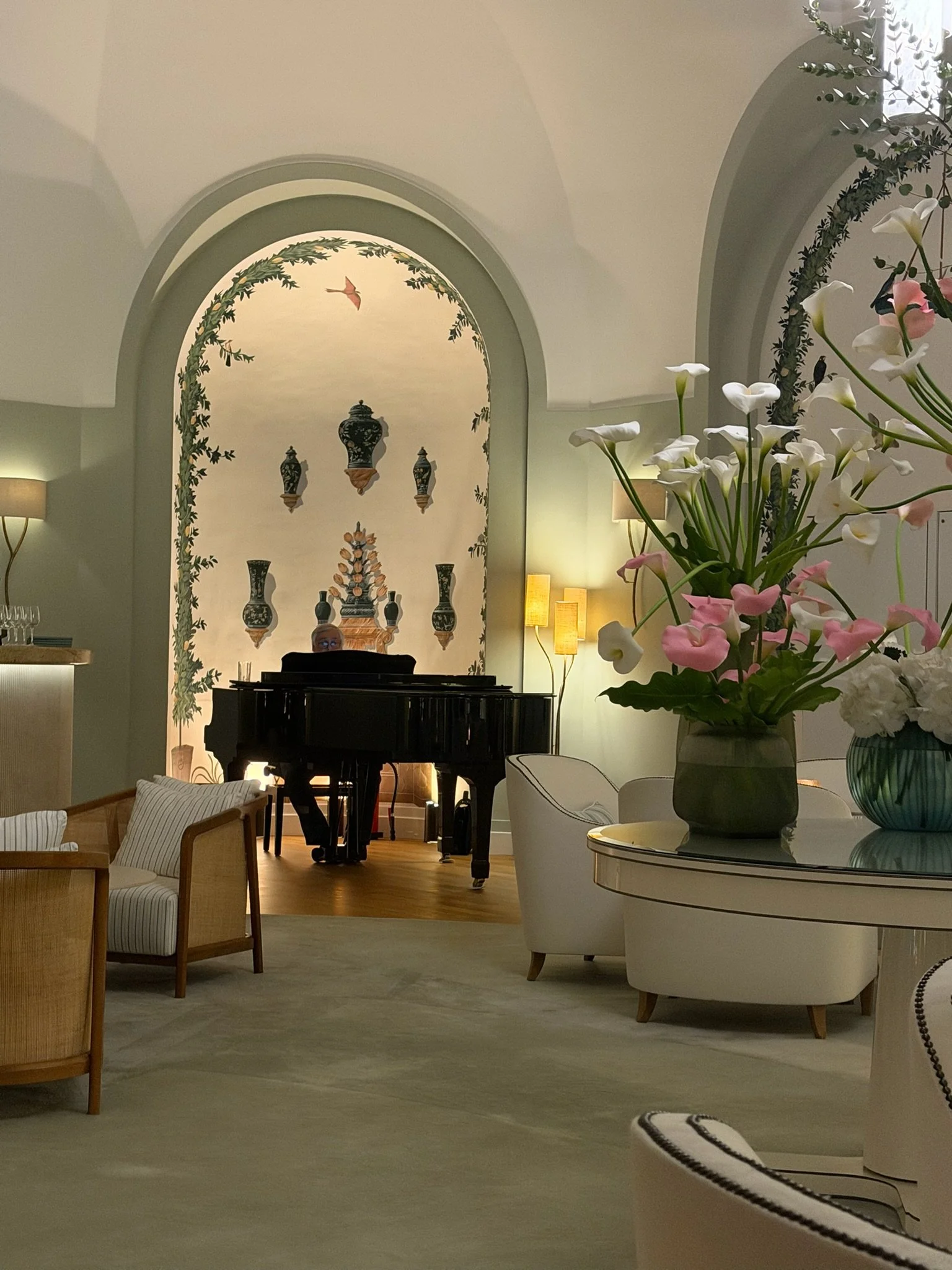
This is where I stayed, and it’s one I would recommend again and again. It feels tucked away—almost like a private residence—while still being just minutes from the center of town. The property is intimate, with beautifully layered interiors, soft tones, and a sense of quiet luxury that doesn’t try too hard.
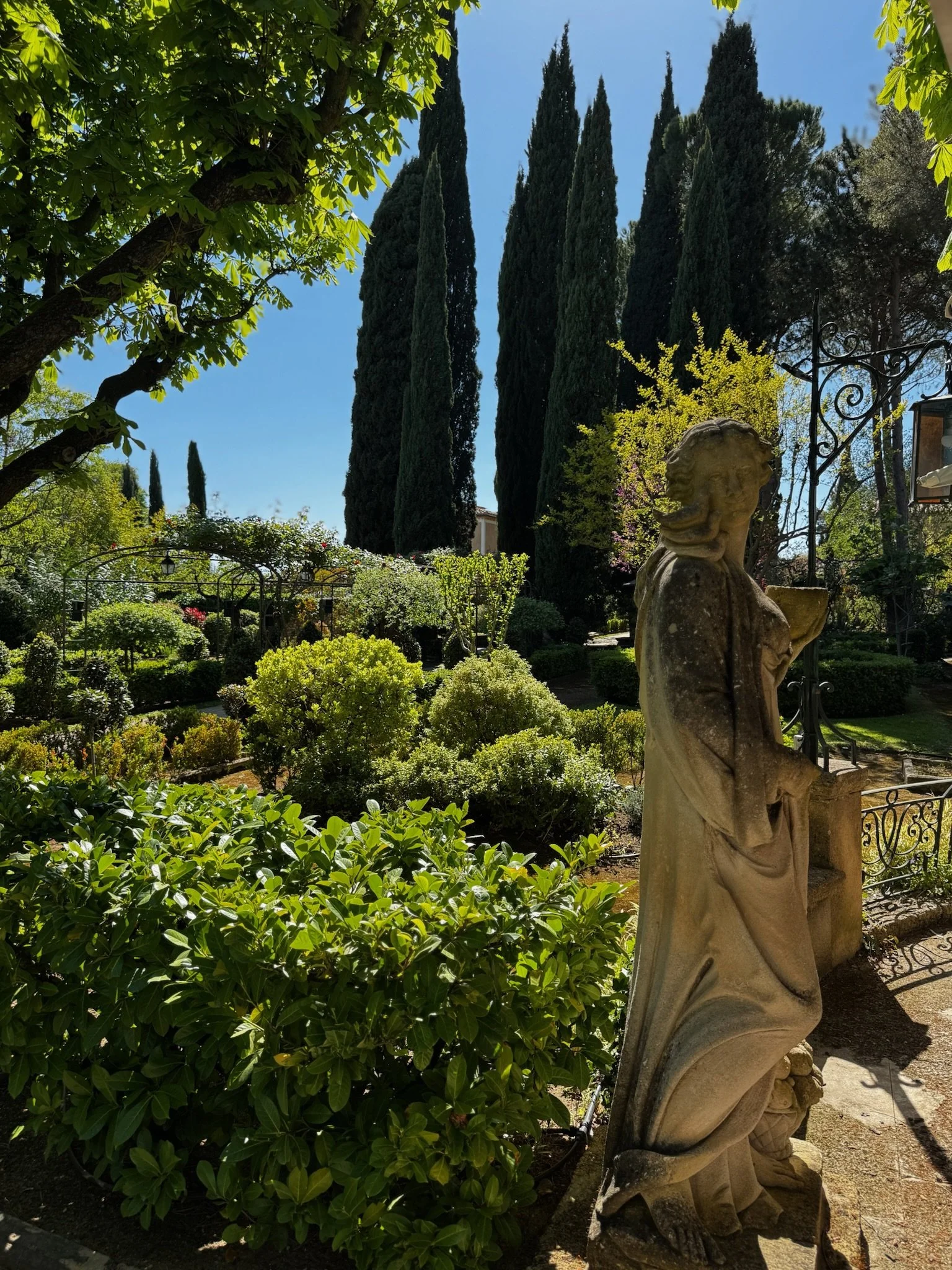
What stood out most to me was how peaceful it felt. After spending time in the energy of Aix, coming back here felt like a reset. The gardens are lush and secluded, the pool area is understated but elegant, and everything about the experience feels thoughtful and well-paced. It’s the kind of place that works especially well for clients who want a true 5-star stay that still feels personal and relaxed.
Hôtel Le Pigonnet
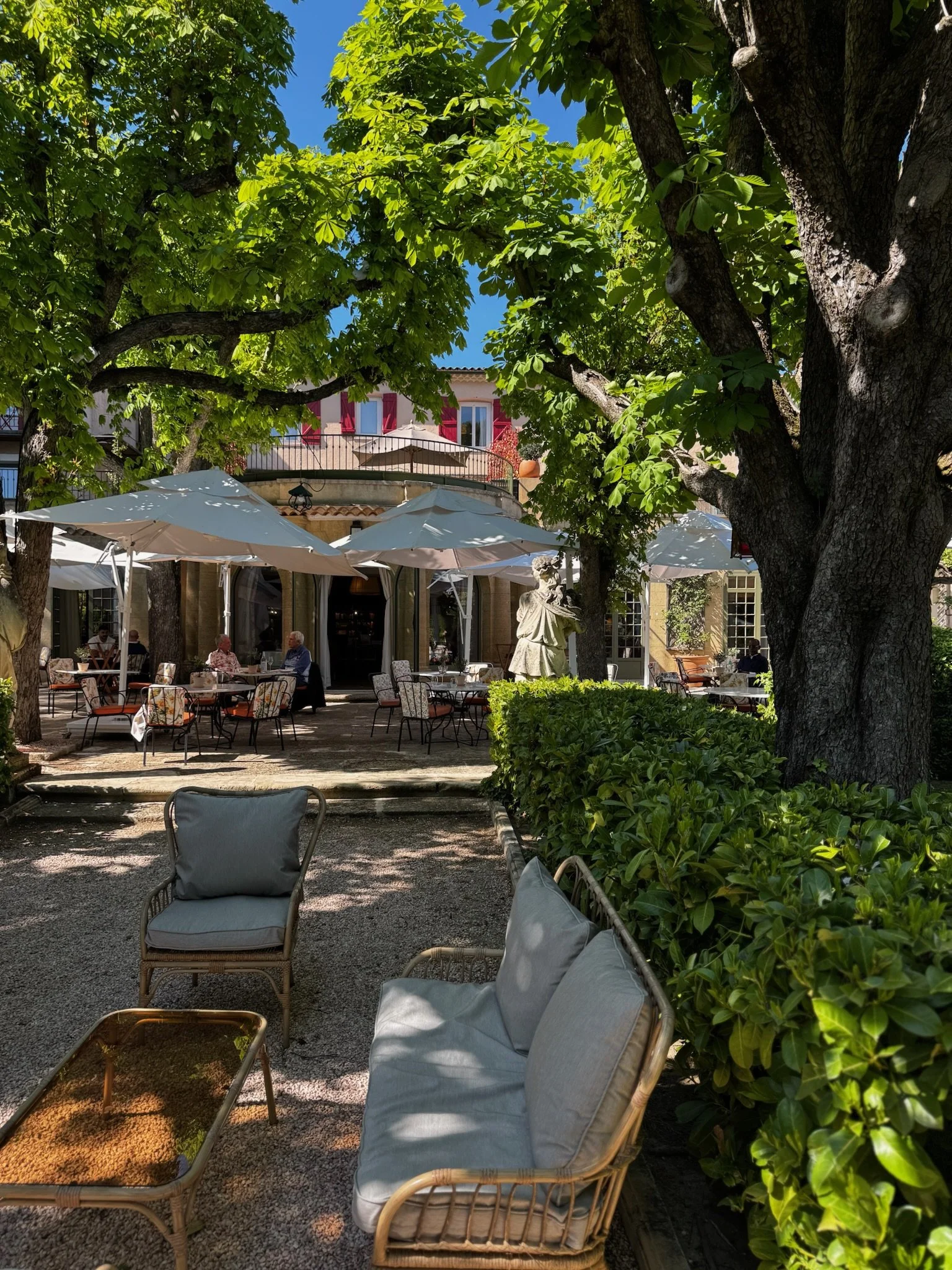
Hôtel Le Pigonnet is one of those classic names you’ll come across when researching Aix, and its setting is undeniably beautiful. The grounds are what really define it—lush gardens, shaded terraces, and spaces that feel quintessentially Provençal. It’s the kind of place that’s easy to picture yourself lingering, whether over breakfast or a glass of wine in the afternoon.
There’s a timelessness to it that gives it charm, especially for travelers who appreciate a more traditional feel. The experience leans heavily on the atmosphere of the property itself—the gardens, the setting, and the sense of history—making it a lovely option for those who prioritize that classic Provençal aesthetic.
What to Do
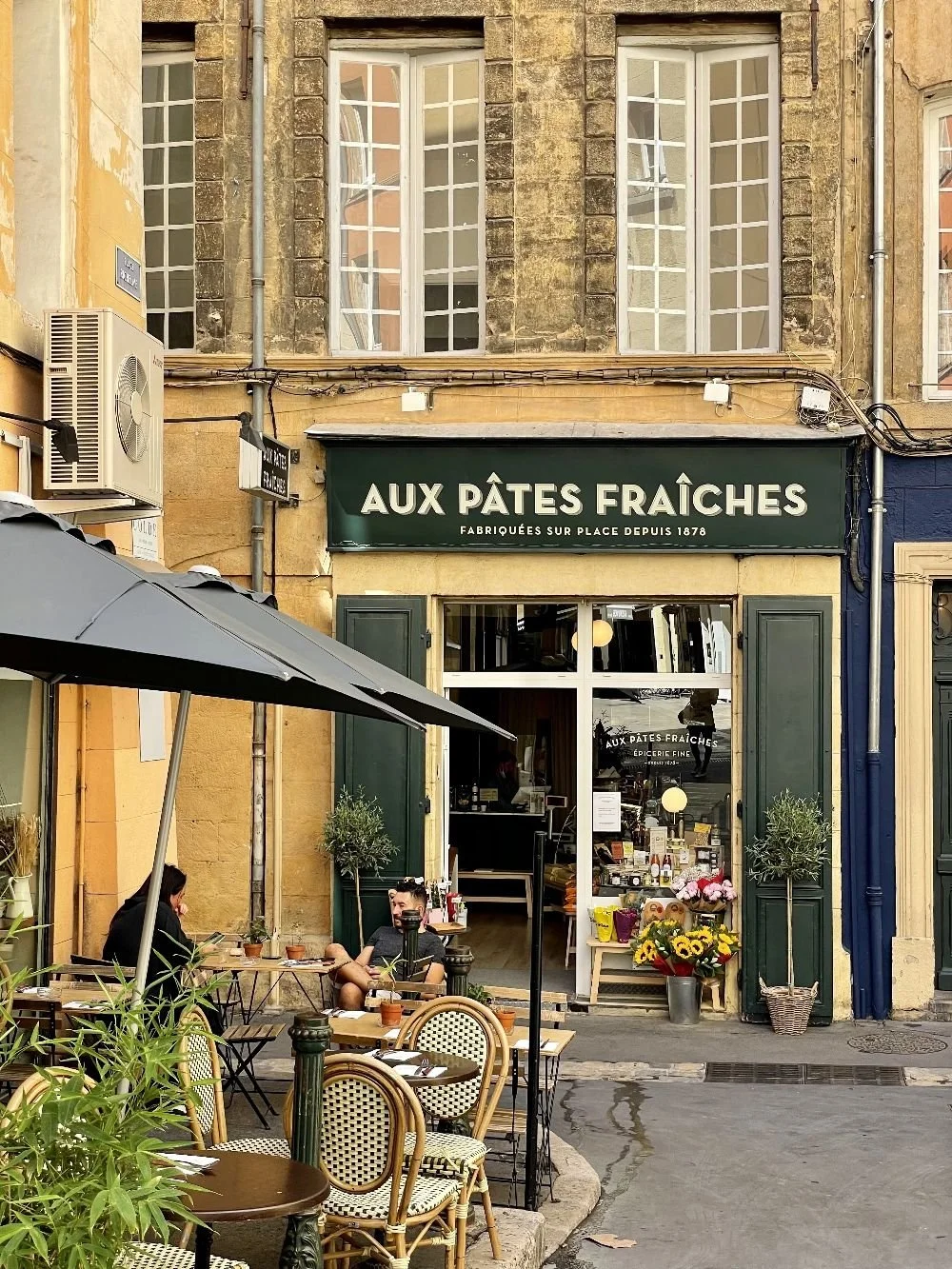
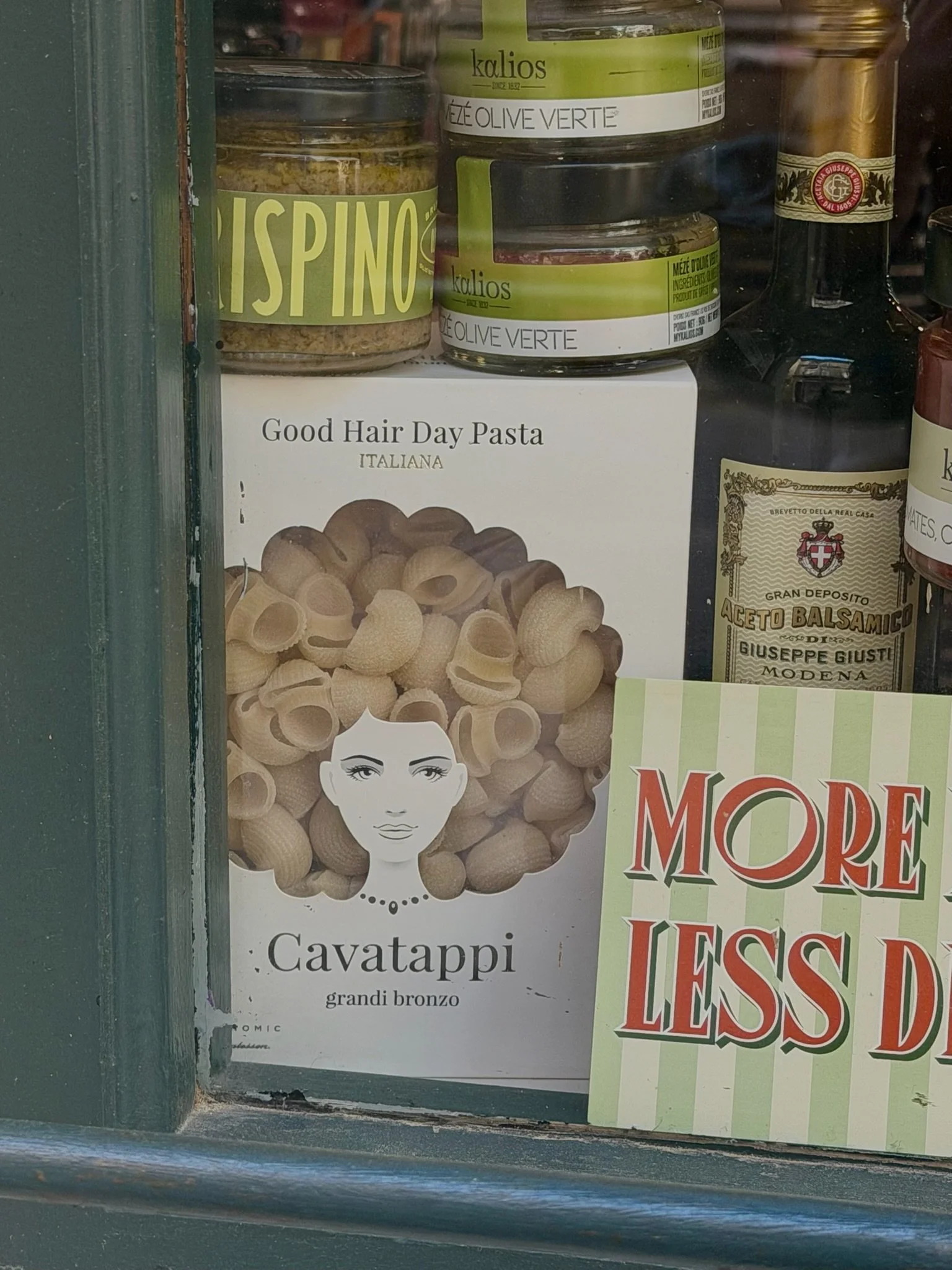
I spent my time here doing what Aix does best—wandering. The town center is full of shops that feel curated rather than touristy, and it’s easy to lose a few hours moving in and out of them.
Café hopping naturally became part of the rhythm—starting the morning slowly, stopping again midday, and letting the day unfold without too much structure. Aix is one of those places where the in-between moments are just as good as anything planned.
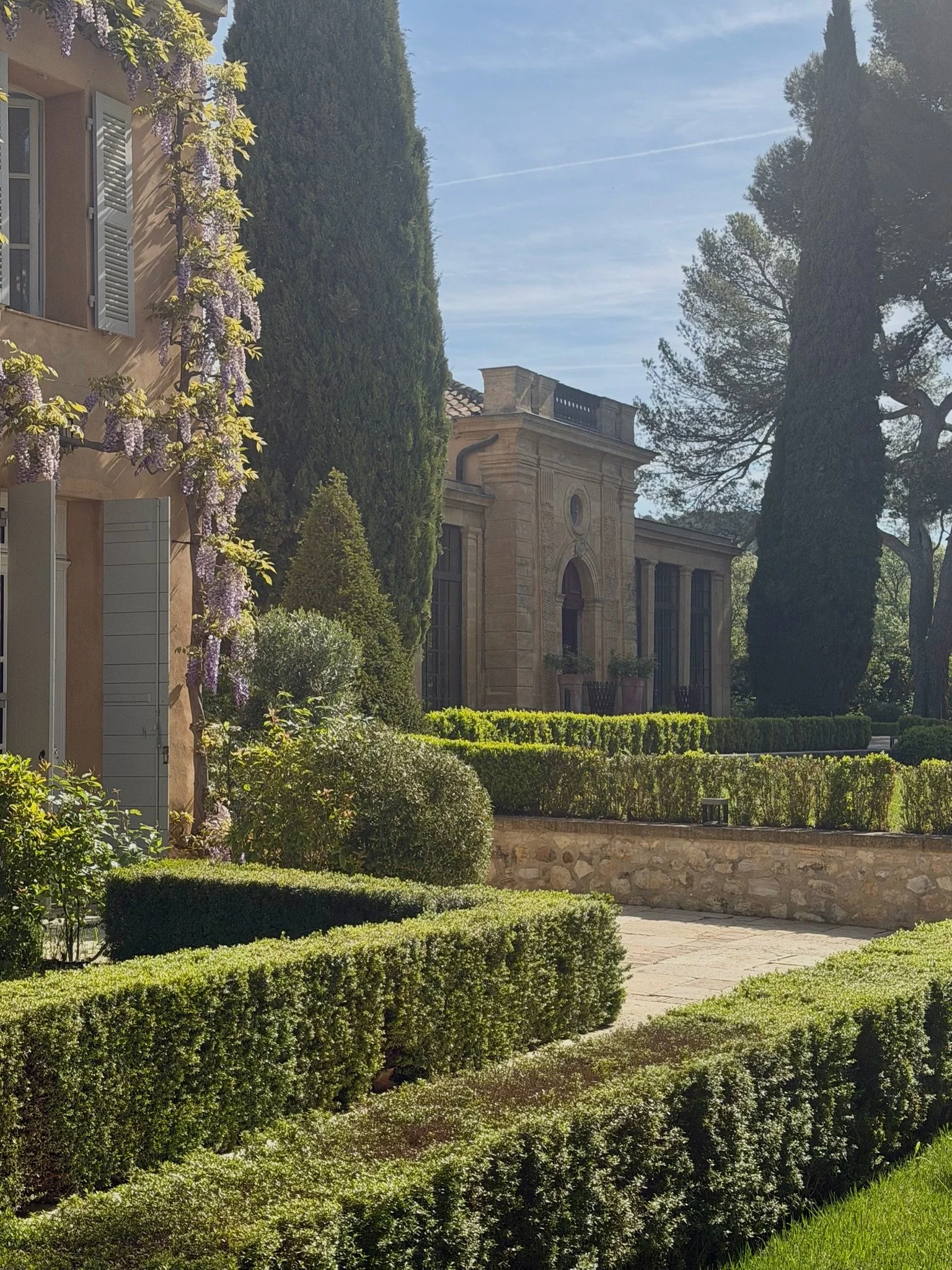
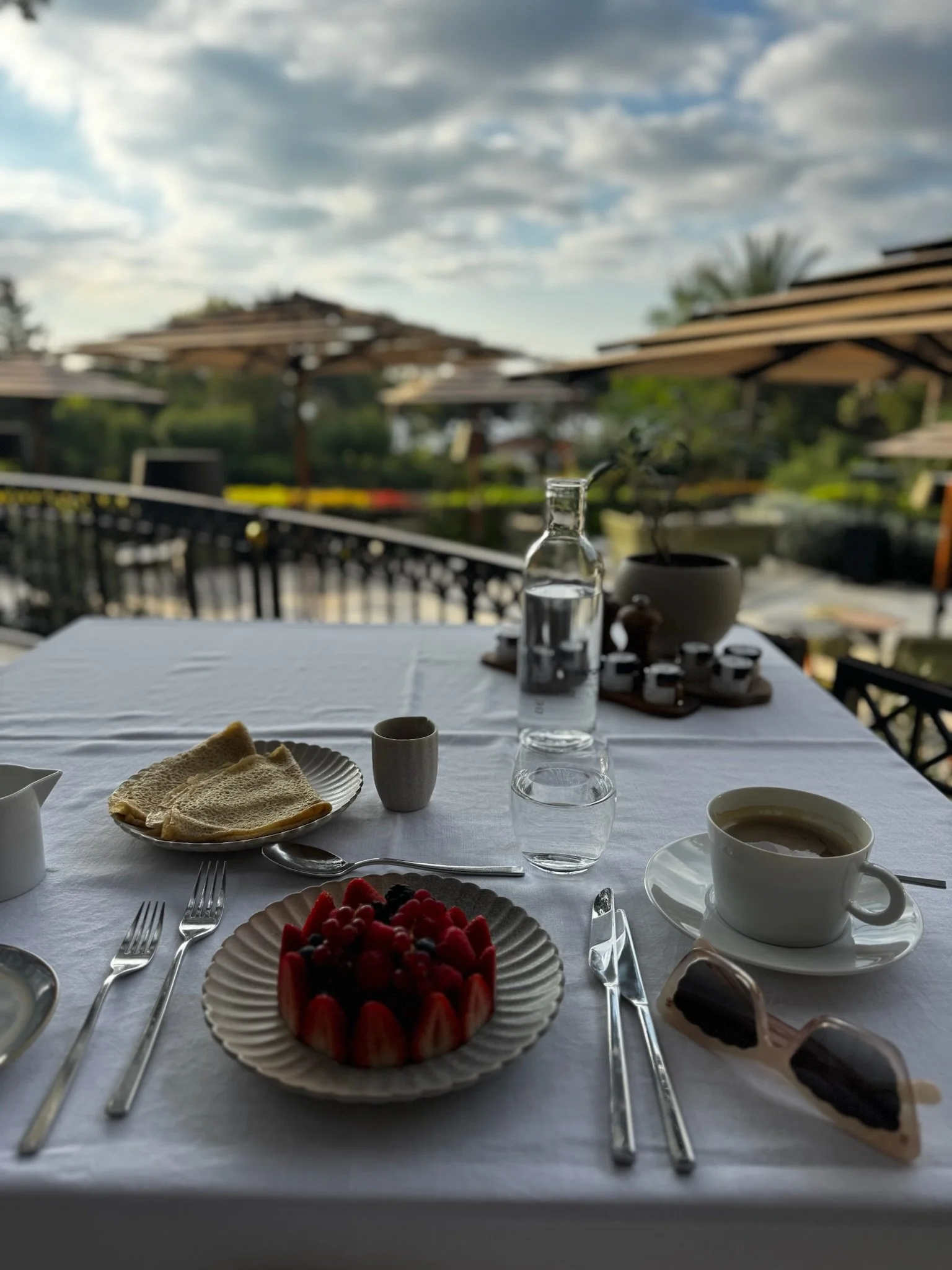
Notable Stop: Breakfast at Château de la Gaude. Just outside of town, this was one of my favorite ways to start the day. The setting is incredibly scenic—vineyards, gardens, and architecture that immediately sets the tone. It feels elevated but still relaxed, and it’s a perfect example of how even something simple like breakfast can feel like an experience here.
Days 3–5: Villages & Countryside Living
Base: Maussane-les-Alpilles
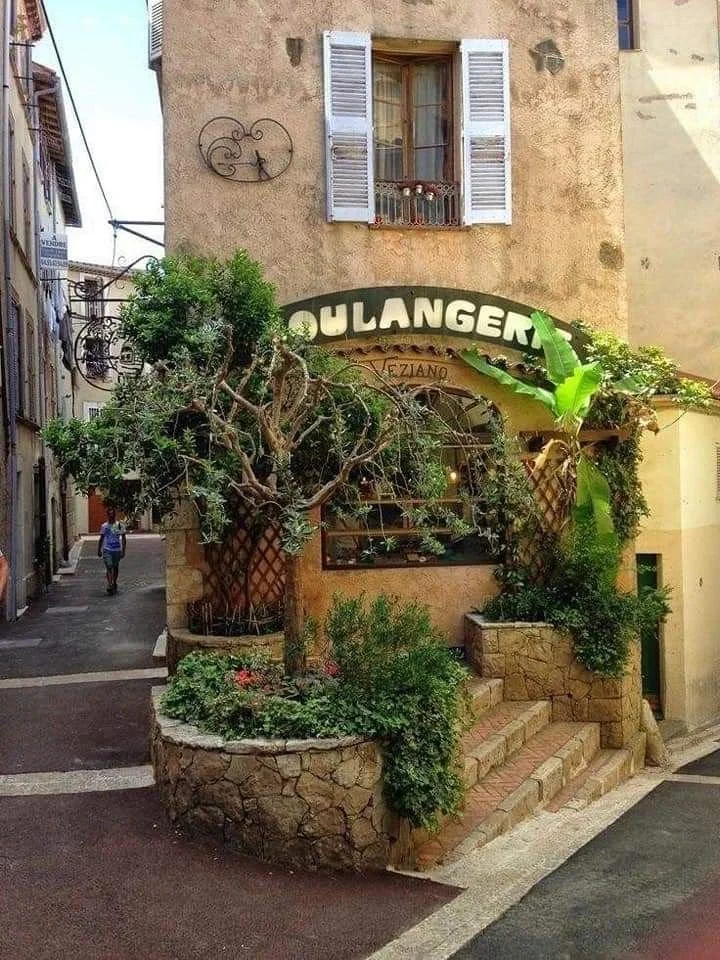
After a couple of days in Aix, I shifted into a slower pace and moved deeper into the countryside. This is where Provence really starts to feel like Provence—smaller roads, quieter mornings, and days that revolve less around plans and more around where you happen to end up.
Staying in Maussane-les-Alpilles gave me the space to settle in a bit more. It’s a different rhythm here—less movement, more presence. The days feel longer, meals stretch out, and everything becomes a little more intentional.
My Take: This part of the trip is where I always encourage clients to slow down. The villages are all within reach, but having a central, more private base makes the experience feel completely different—more relaxed, more personal, and much more memorable.
Mas Collection
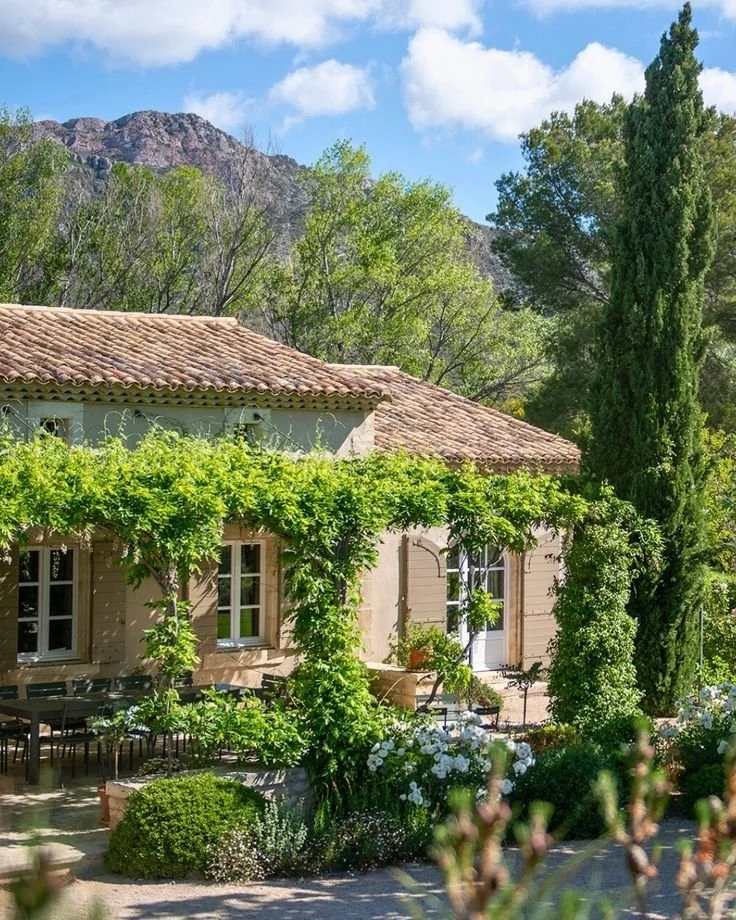
A villa stay here changes the entire pace of the trip. The Mas Collection properties are beautifully done—thoughtful, spacious, and designed for living, not just staying. This is where Provence starts to feel immersive.
What I love about this option is the flexibility it gives. Mornings can be slow, afternoons can be spent by the pool, and evenings naturally turn into long dinners at home or nearby. It’s especially ideal for multi-generational trips or groups traveling together—there’s space to spread out, but also to gather.
There’s also a level of privacy and ease that you don’t get with a hotel. It allows the trip to feel more personal, more customized, and ultimately more relaxed.
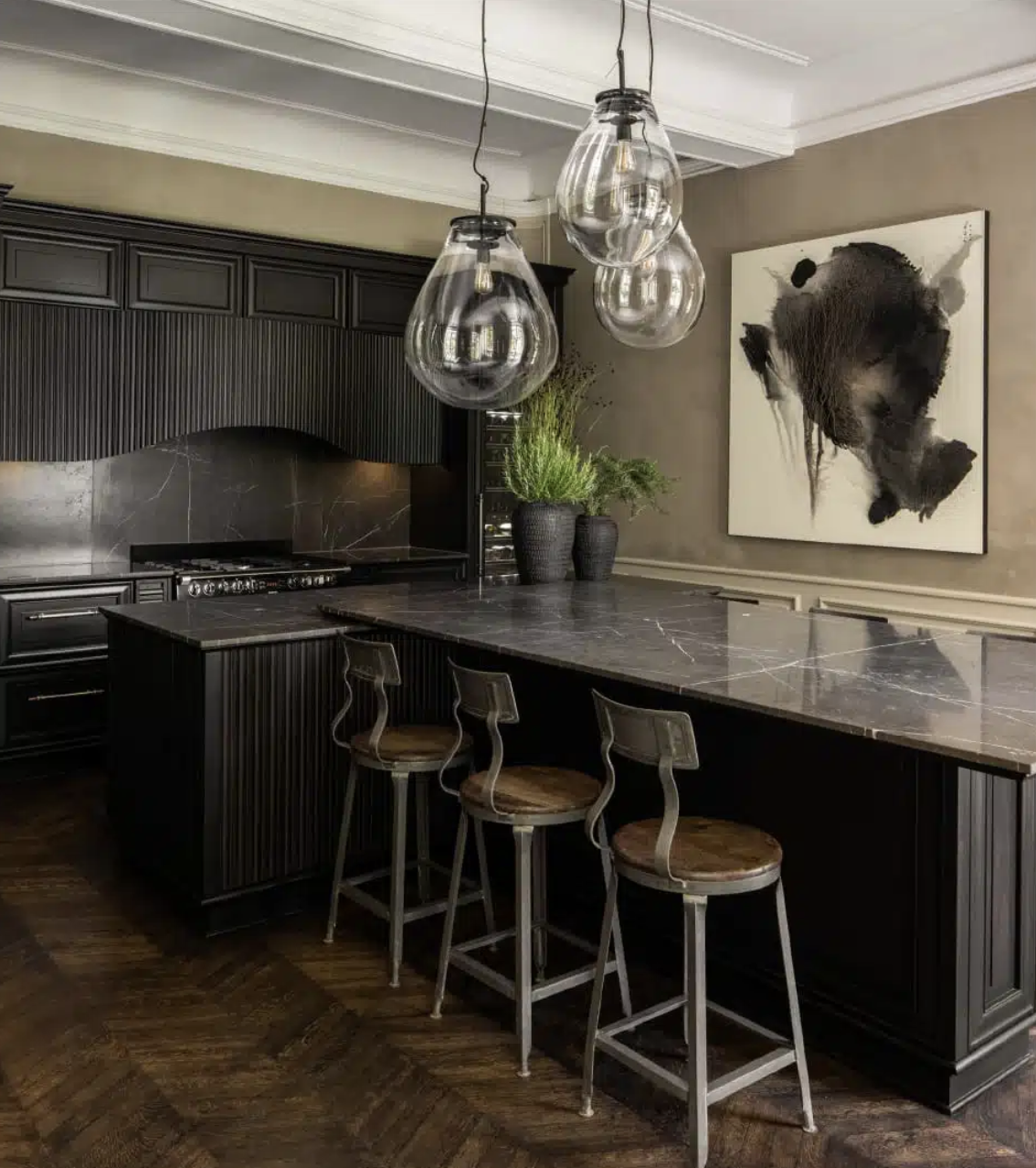
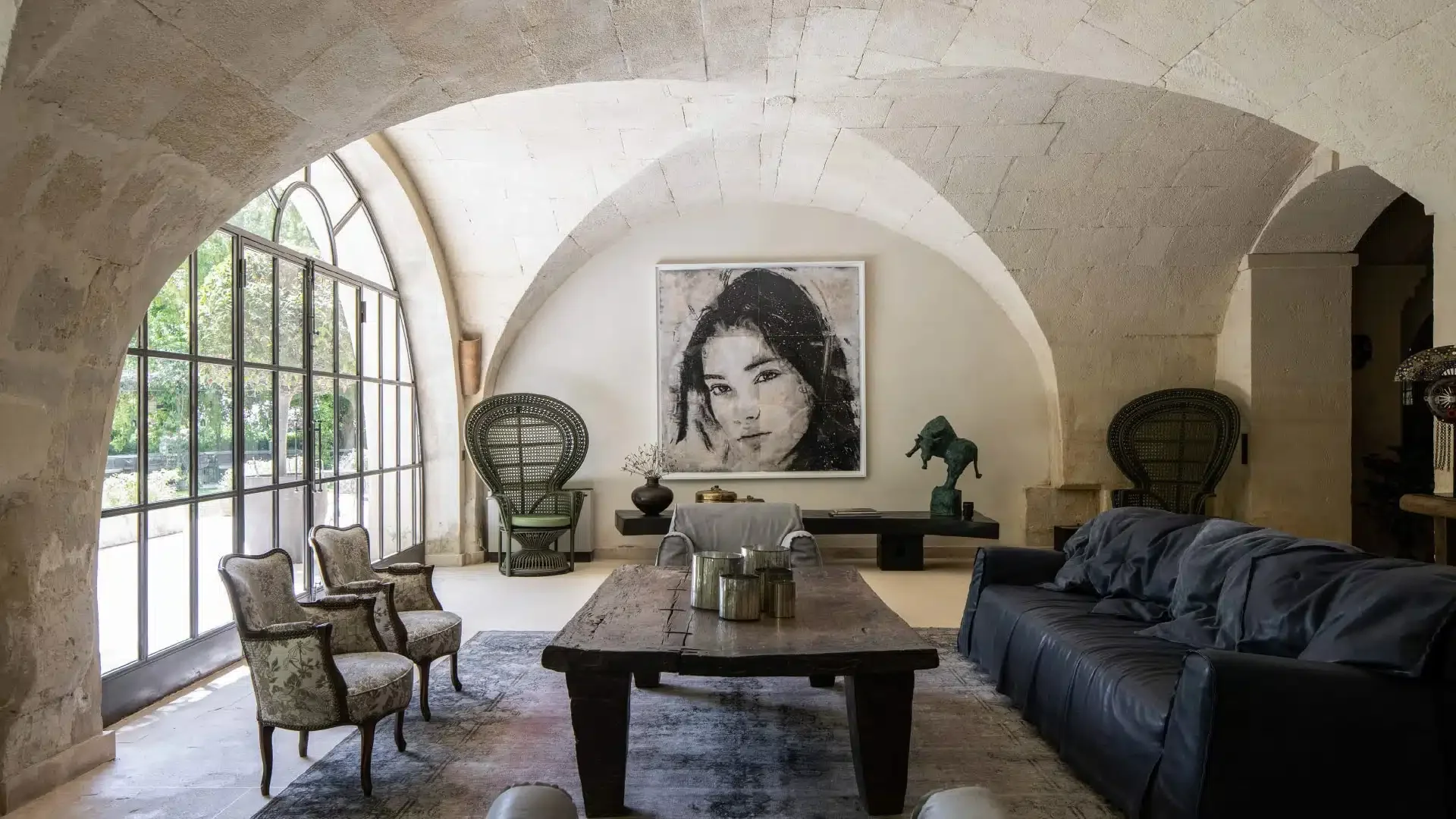
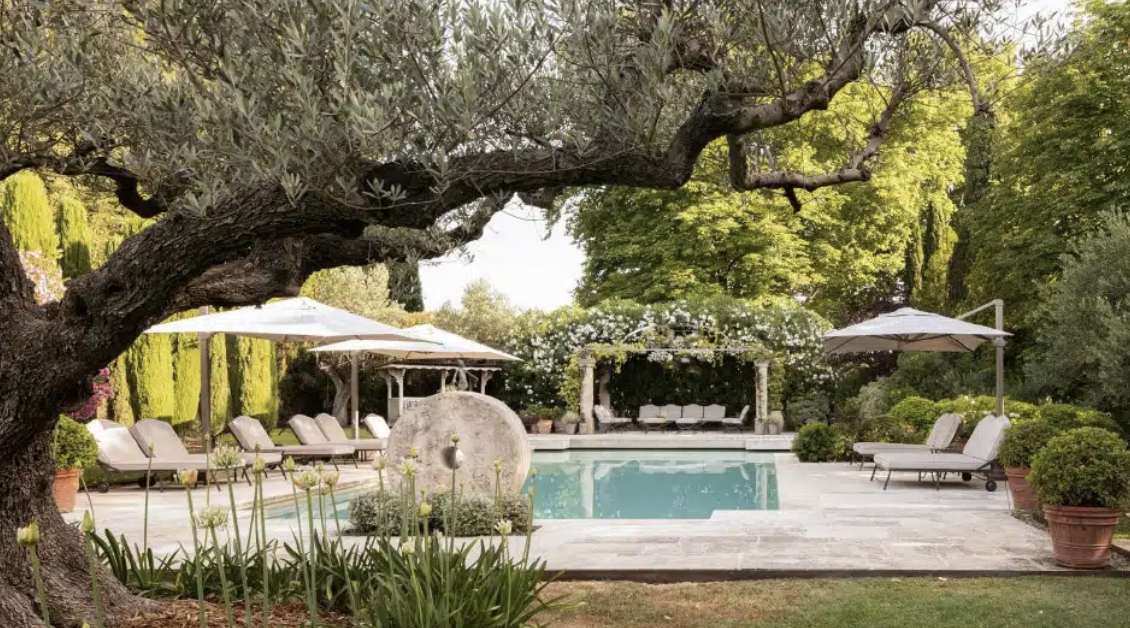
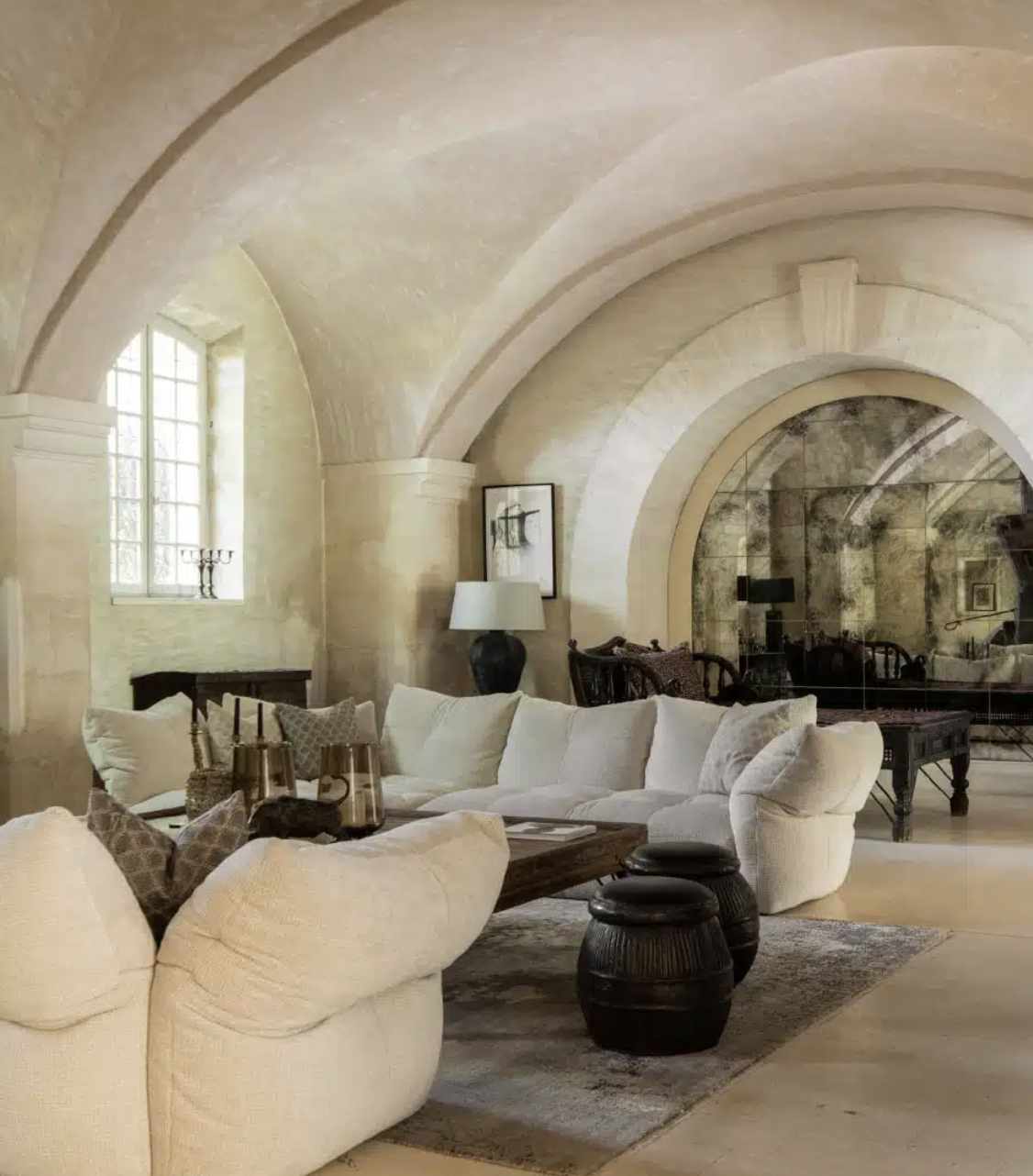
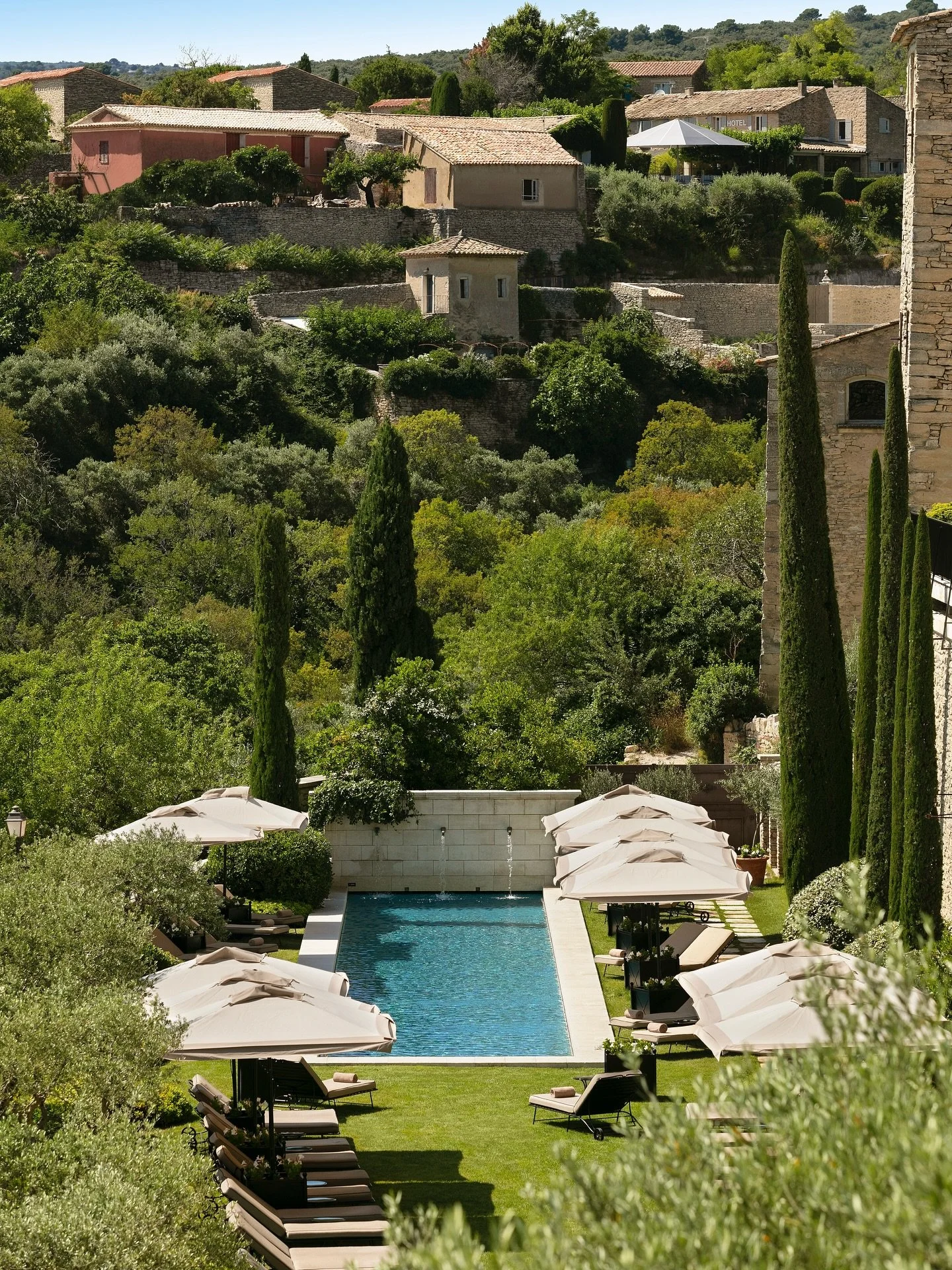
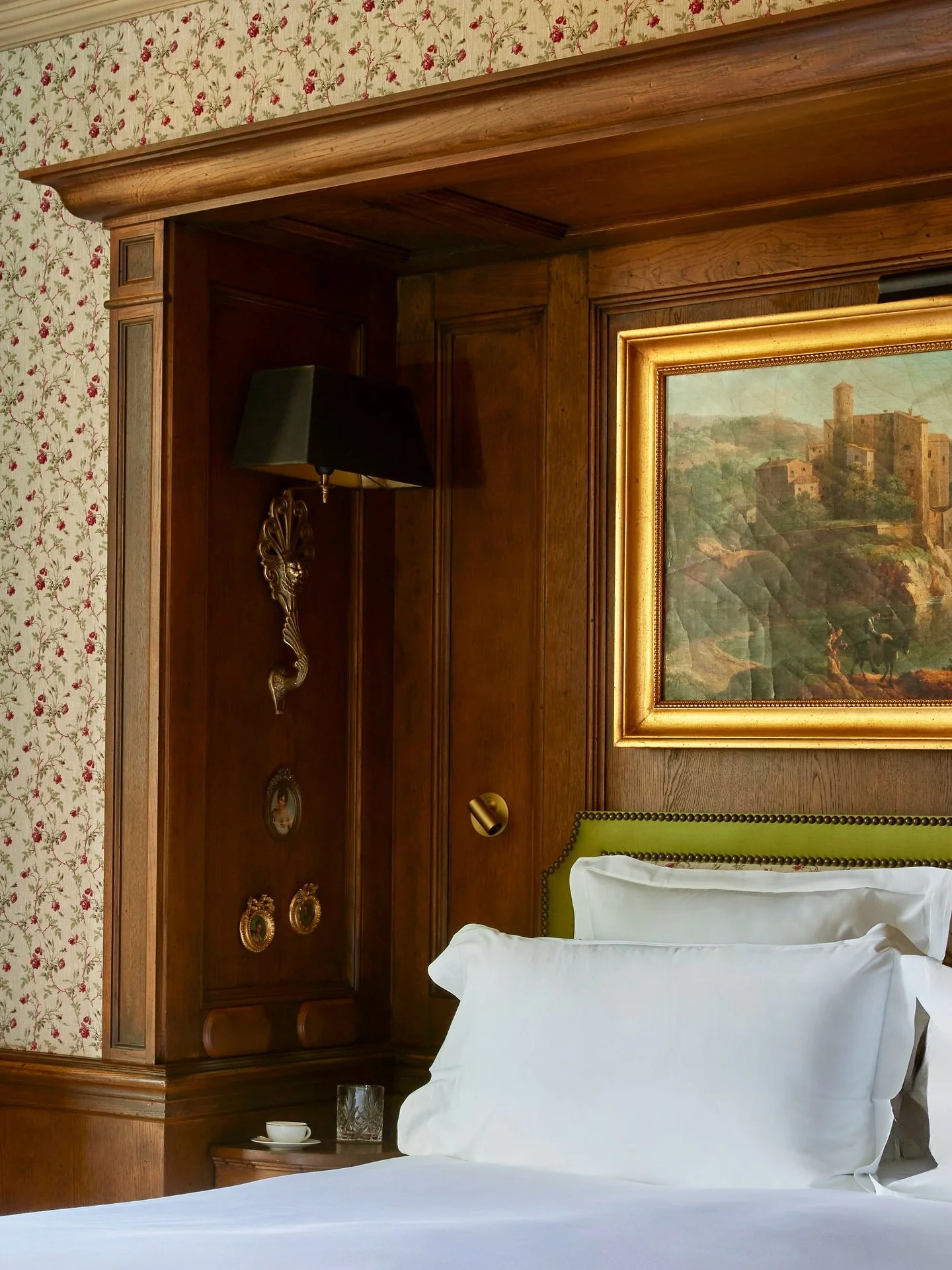
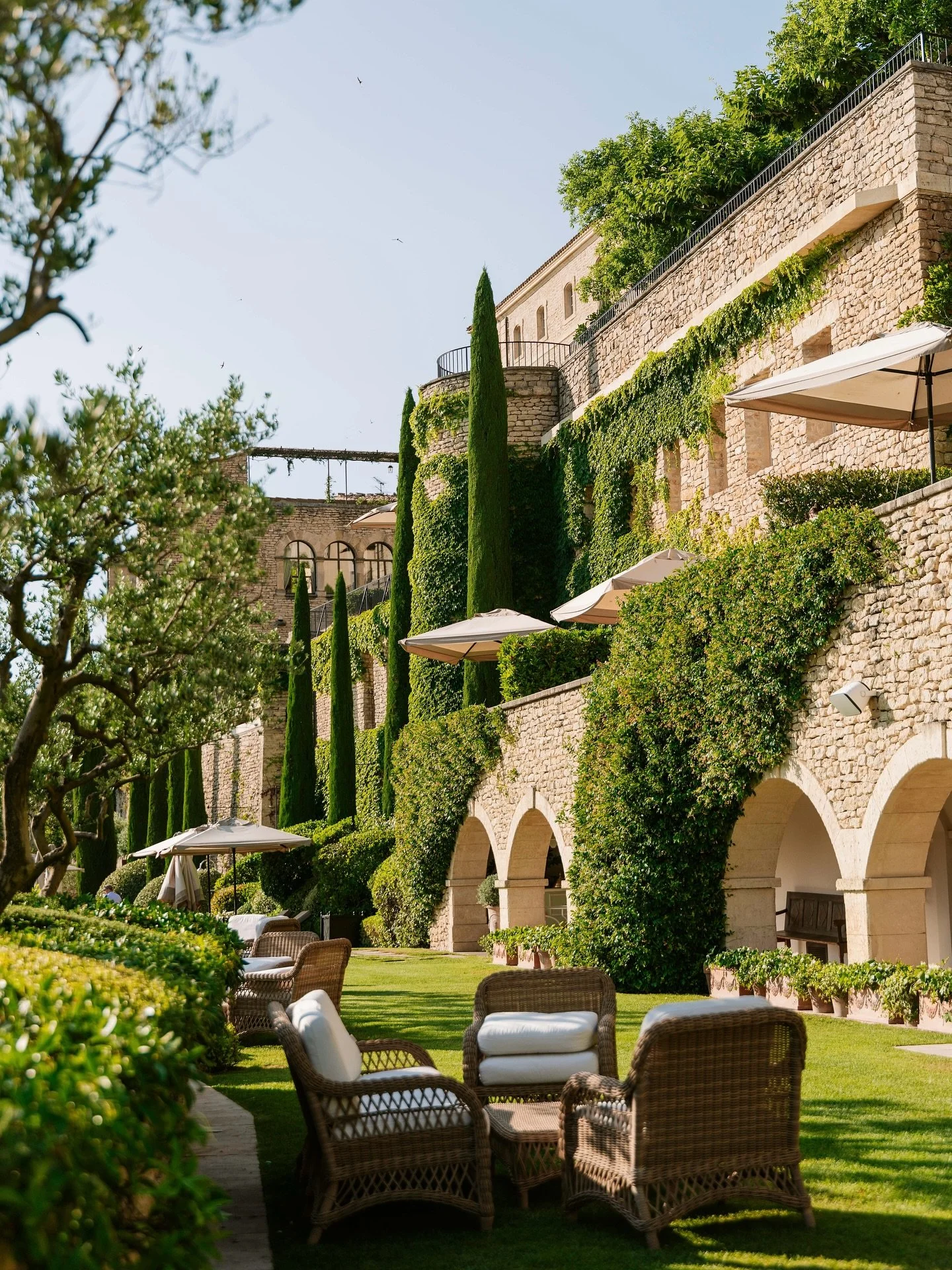
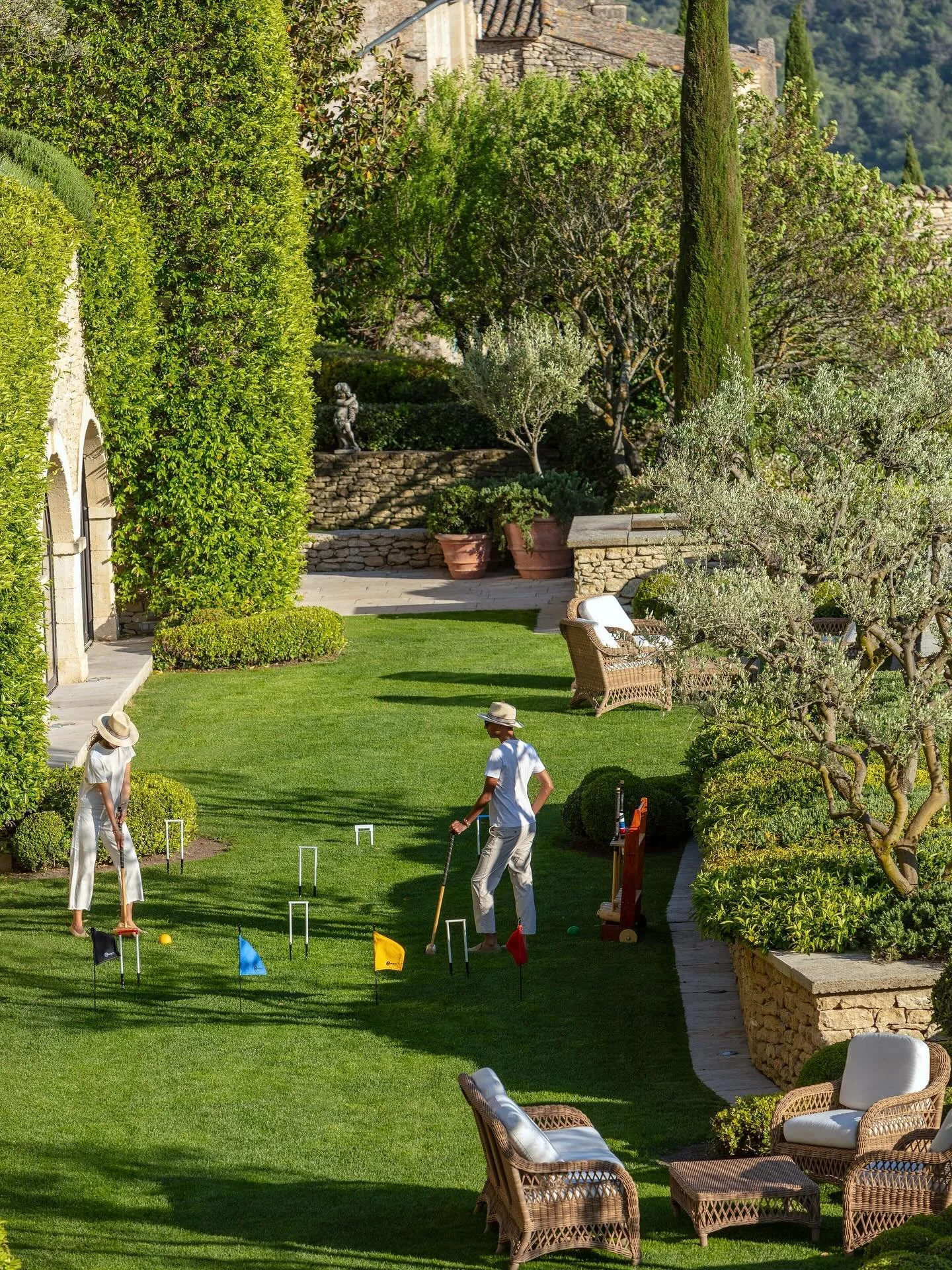
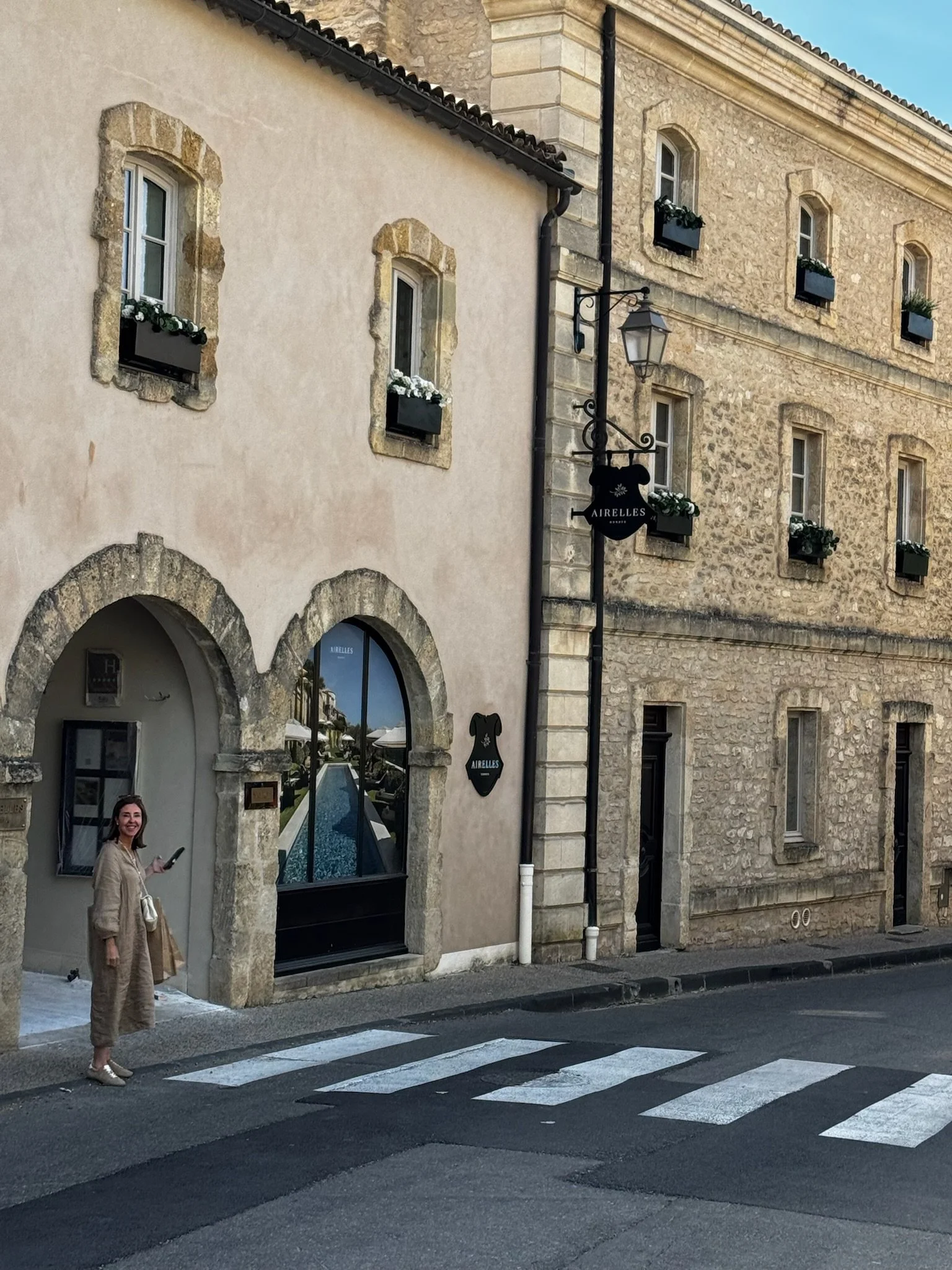
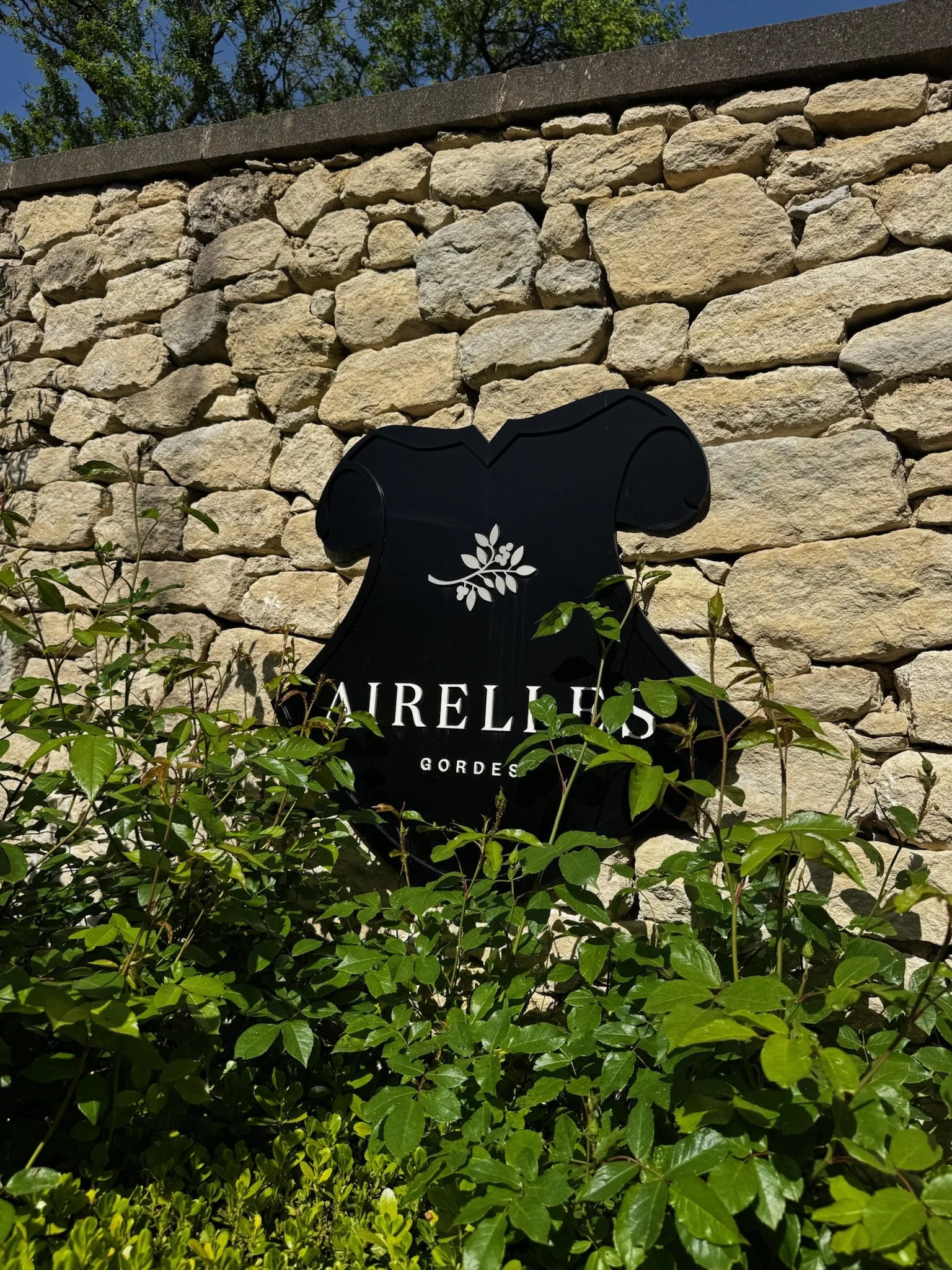
Airelles Gordes, La Bastide
If you’re looking to stay nearby, this is one of the most iconic luxury properties in the region. The setting alone is a draw—overlooking the valley with expansive views that feel quintessentially Provençal.
The property itself is polished and refined, with a strong sense of place throughout. It’s a great option for those who want a more traditional luxury hotel experience while still being immersed in the landscape.
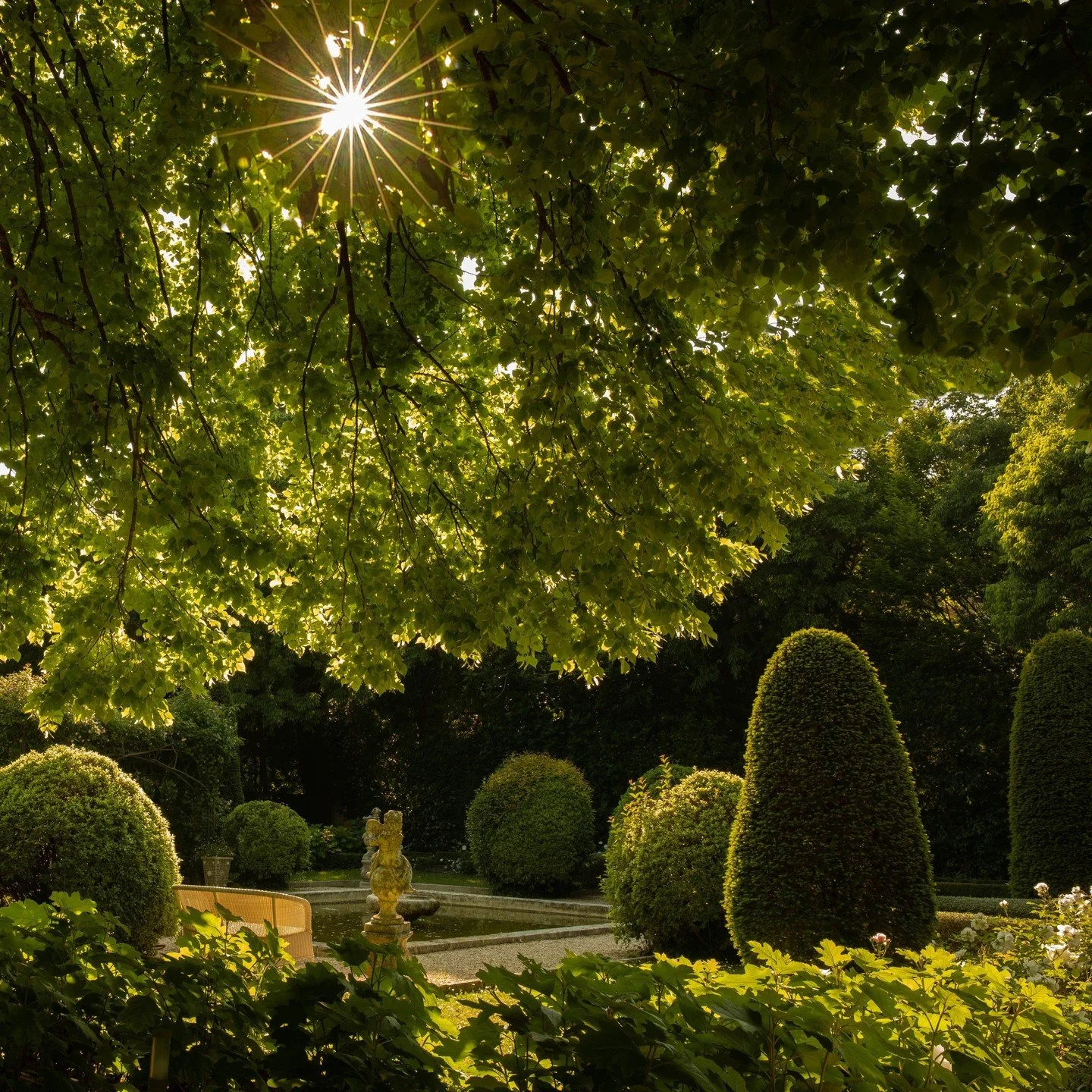
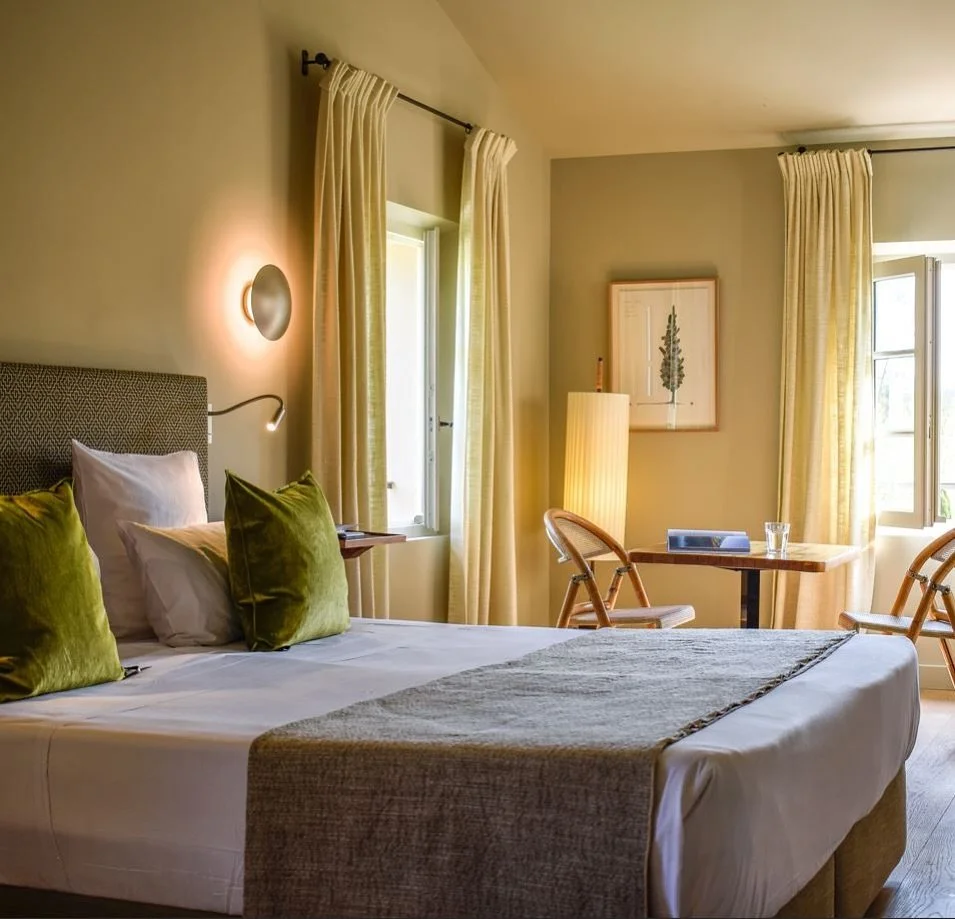
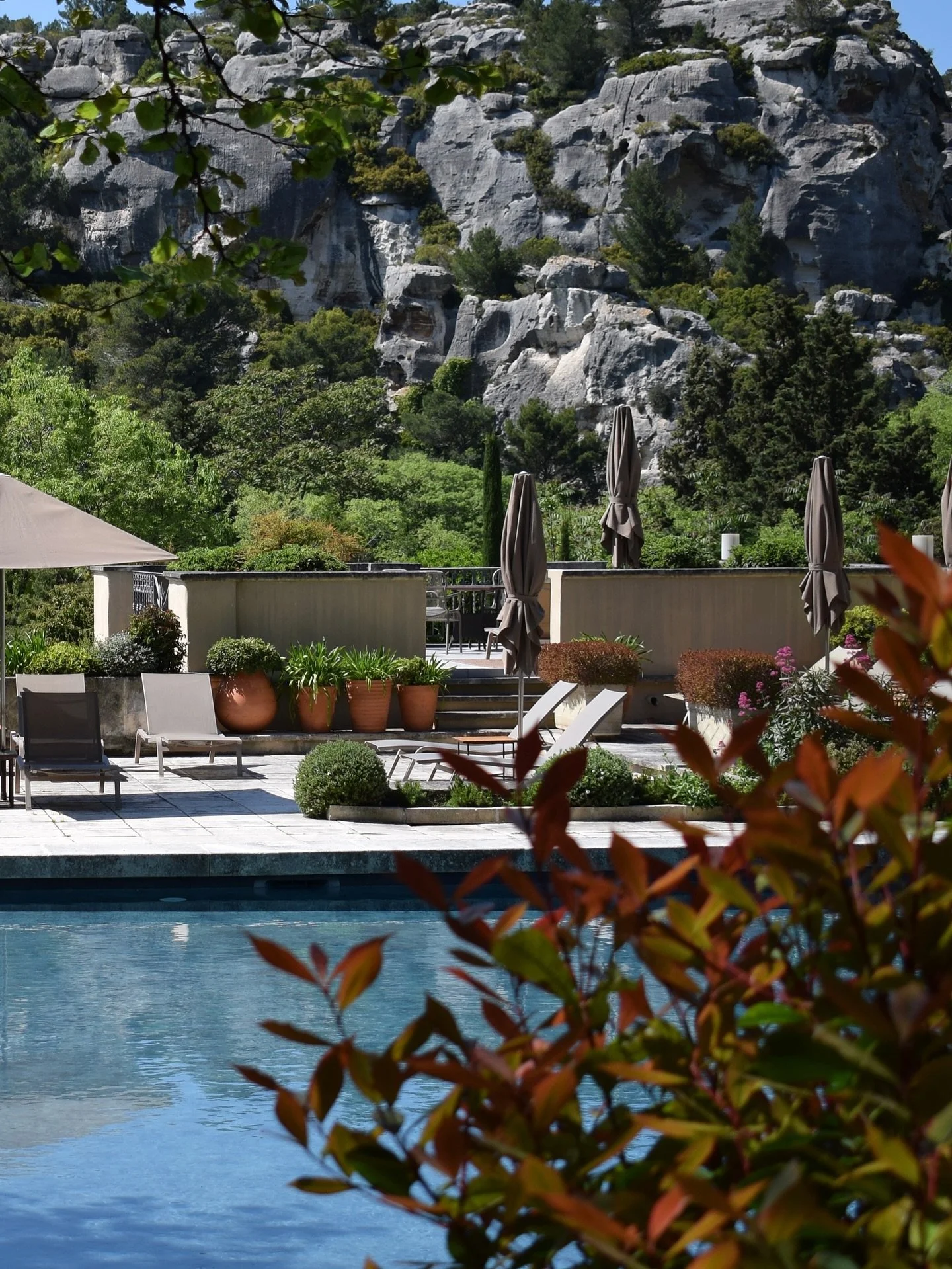
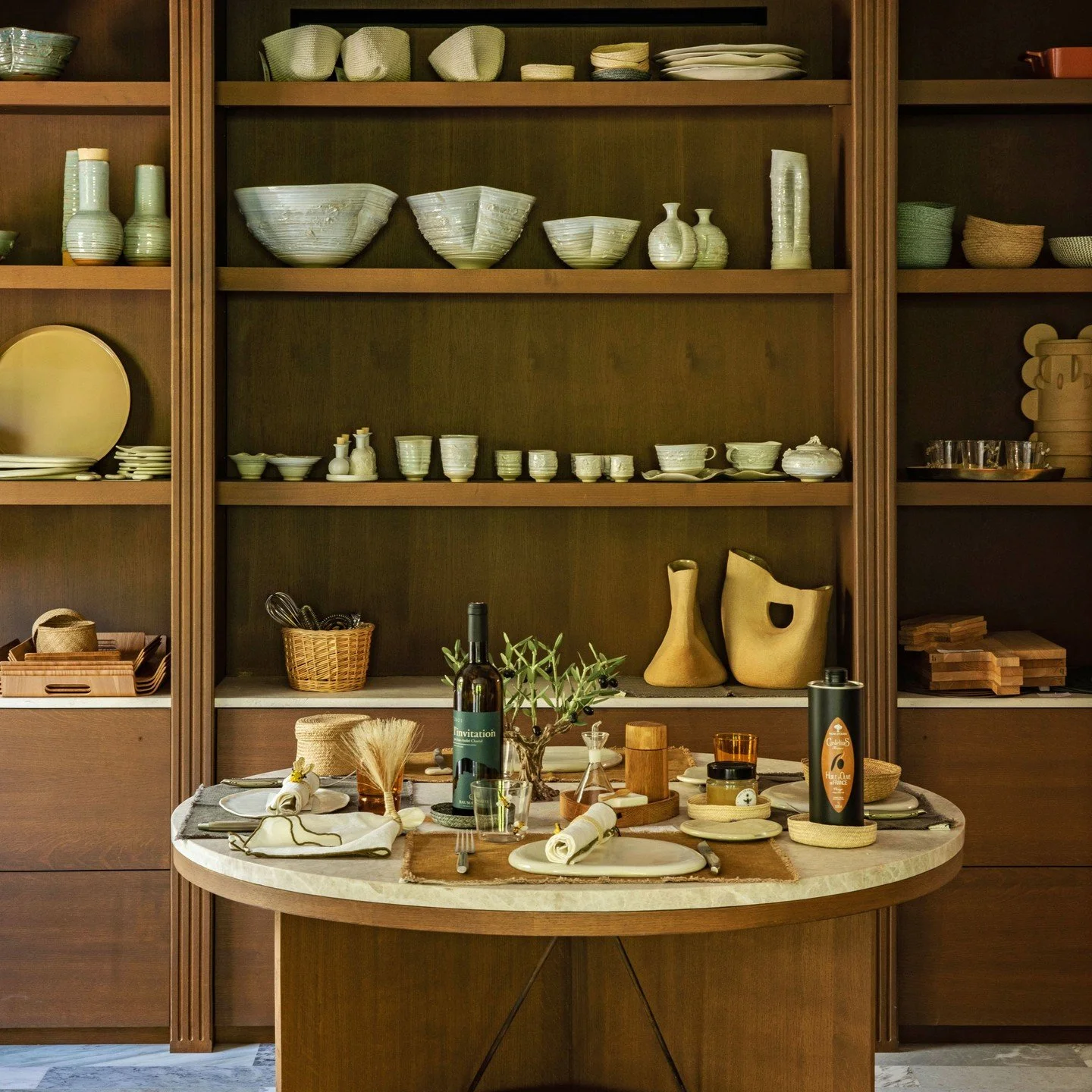
Baumanière Les Baux-de-Provence
Les Baux-de-Provence is another standout—set into the hills with a dramatic, historic feel that’s completely different from the other villages.
Baumanière is worth the visit on its own. It feels like a destination within a destination, known for its dining and its classic Provençal elegance. This is the kind of place you plan a long lunch or dinner around—where the setting, the food, and the overall experience all come together in a way that feels distinctly special.
Exploring the Surrounding Villages
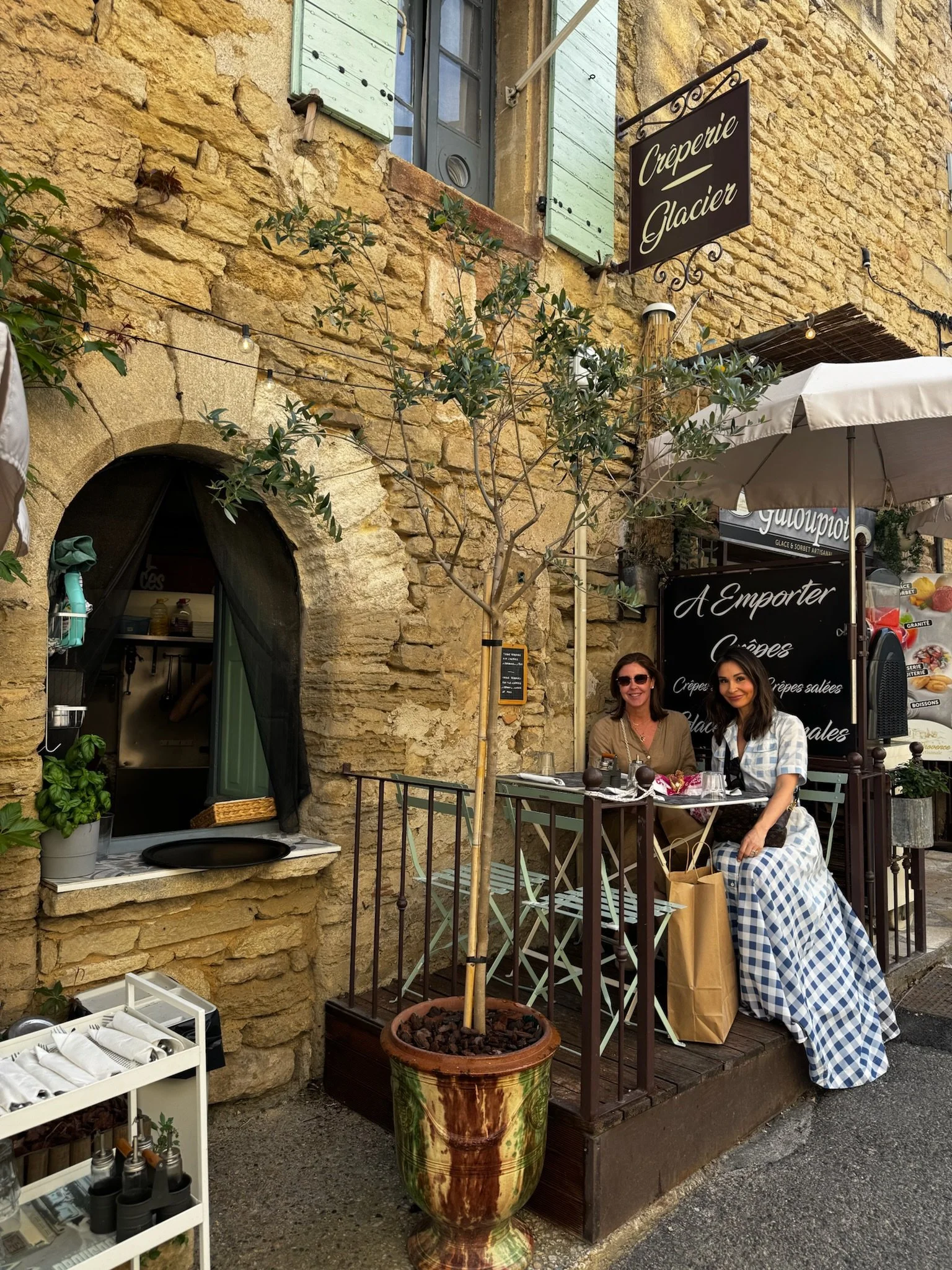
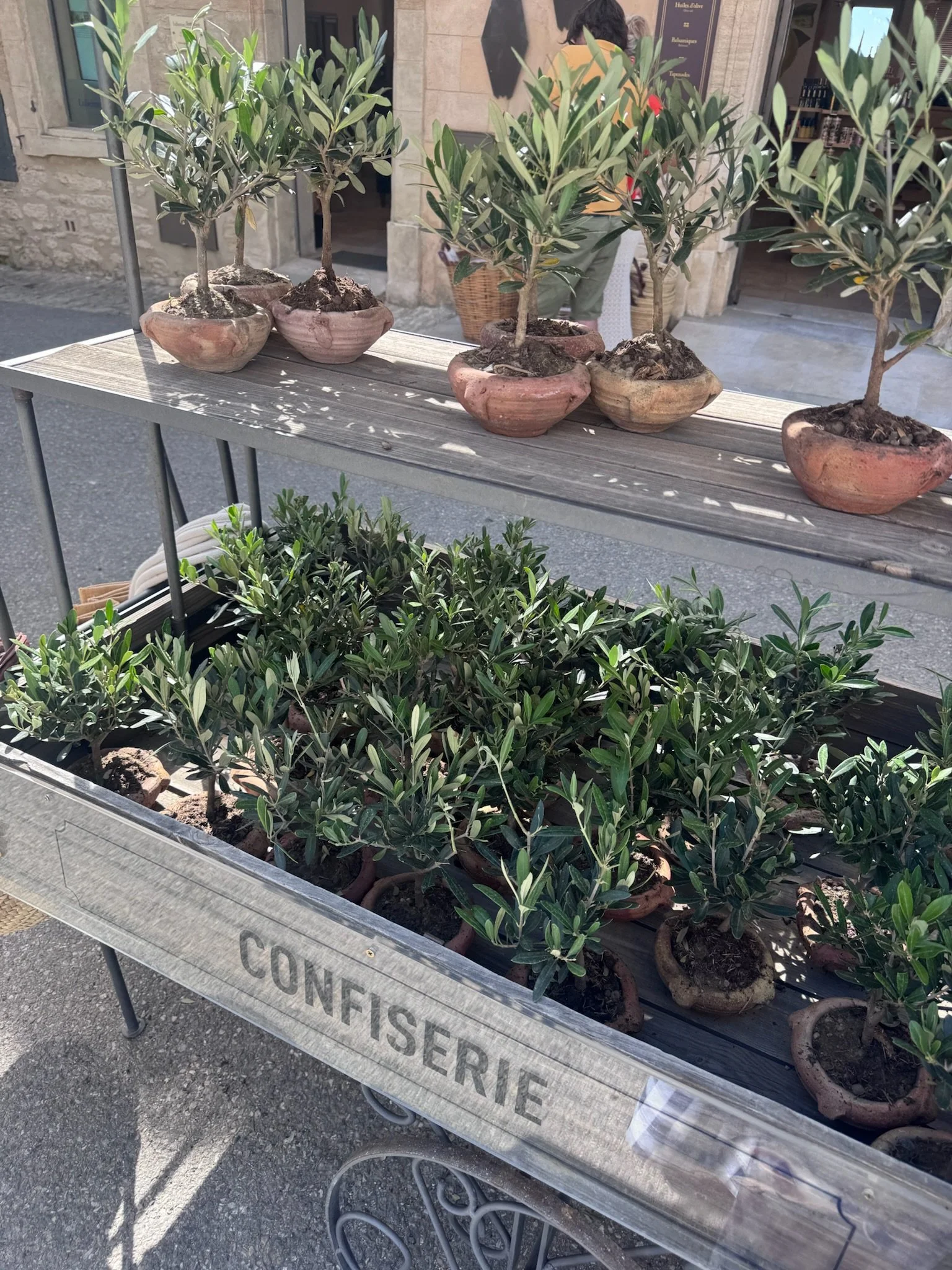
This stretch of the itinerary is less about structure and more about choosing a village (or two) each day and letting it unfold naturally. Each one offers something slightly different, and together they create the full picture of Provence.
Lourmarin
This ended up being one of my favorite stops, especially for shopping. It feels local in a way that’s harder to find—less crowded, more lived-in, and effortlessly charming. The streets are lined with boutiques that feel curated rather than expected, making it easy to spend a full morning just wandering.
L’Isle-sur-la-Sorgue
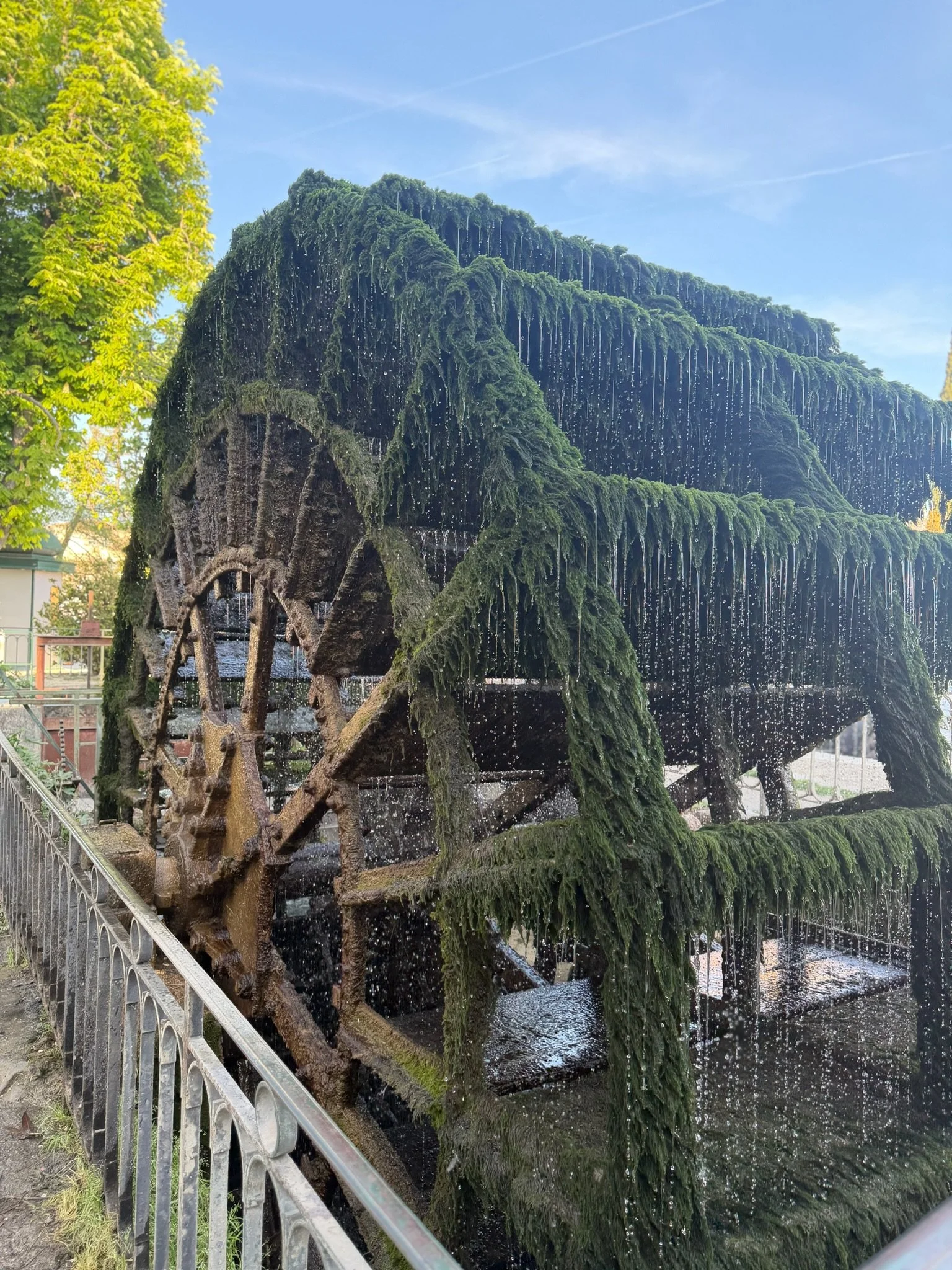
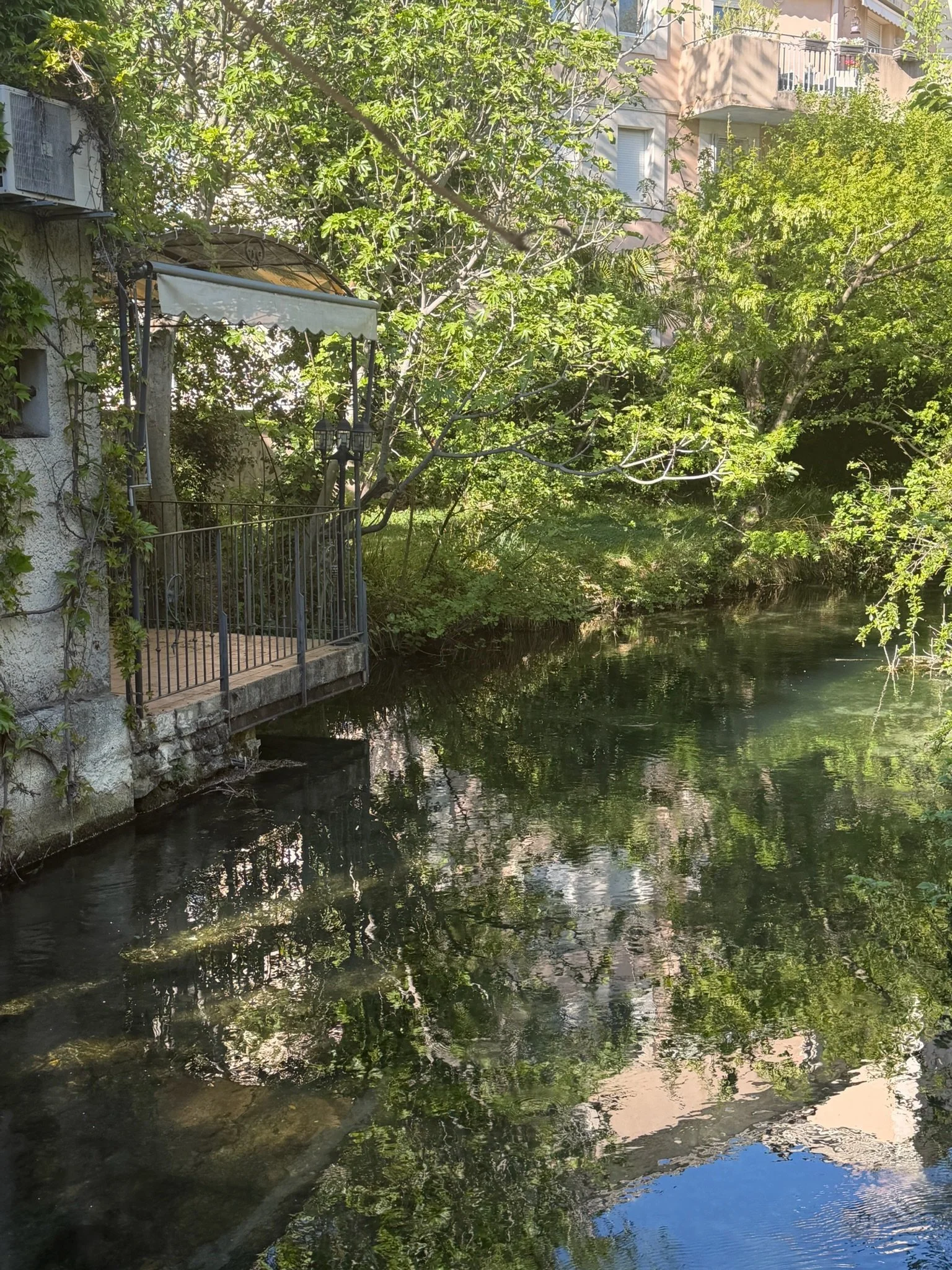
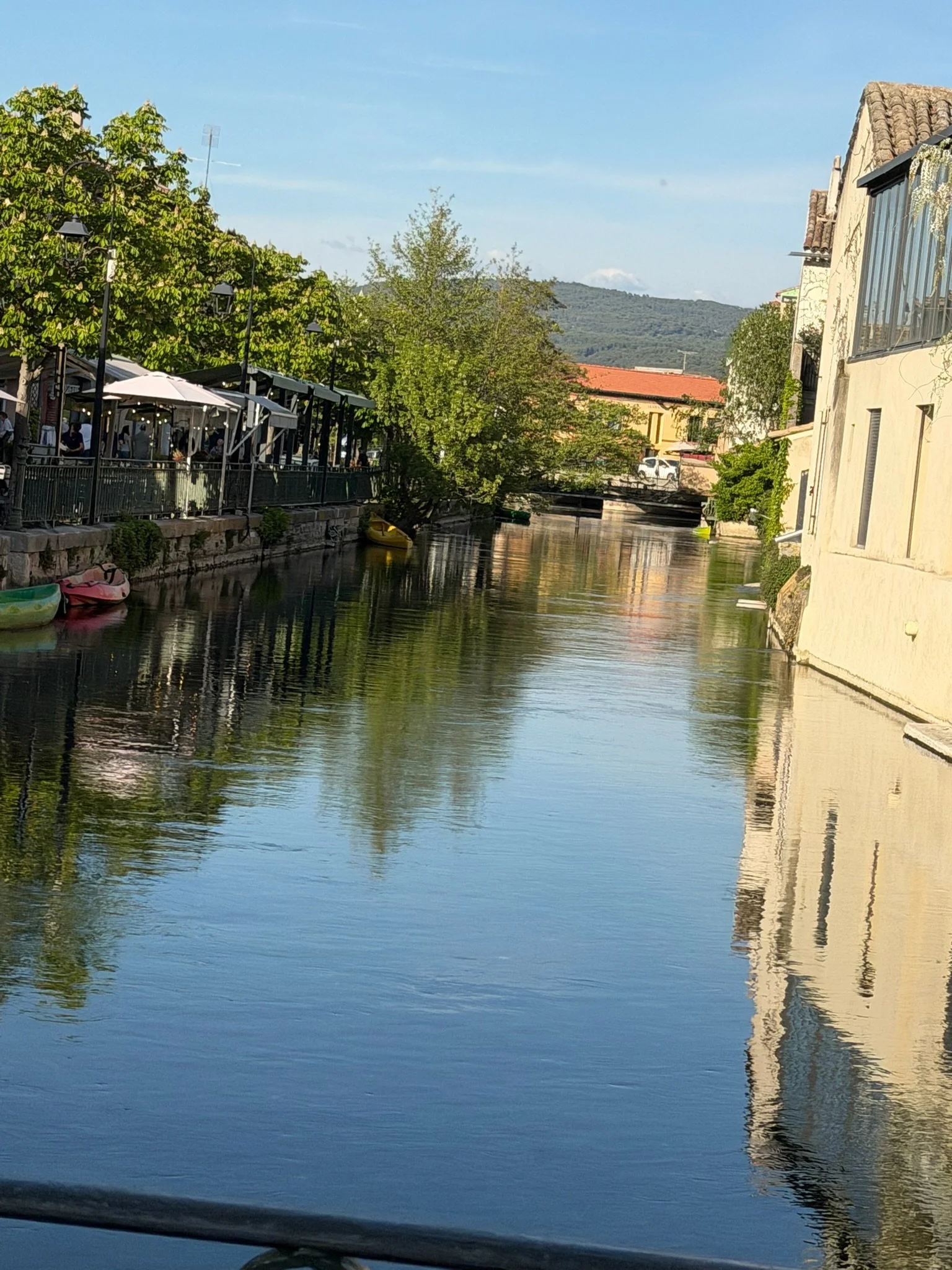
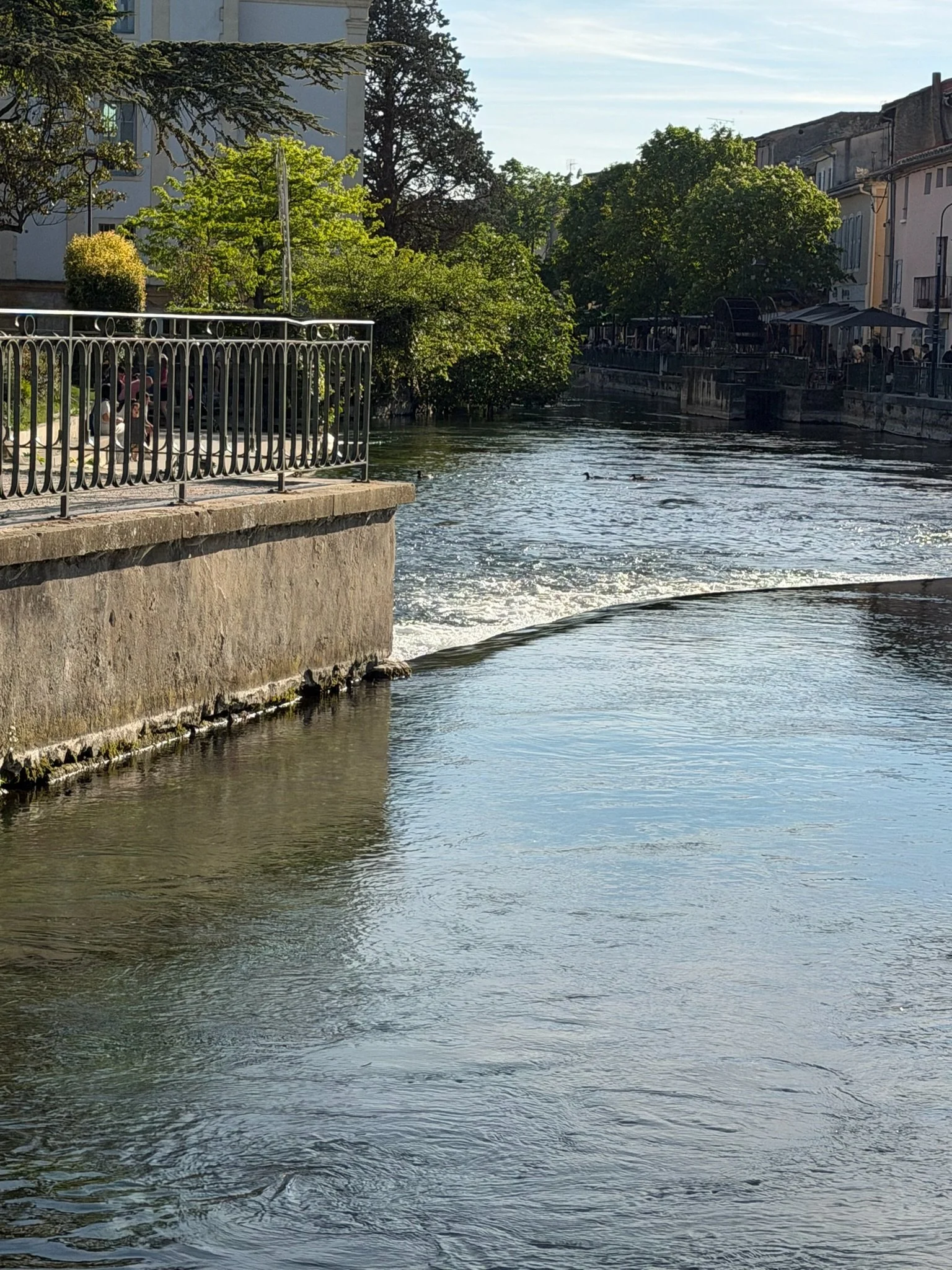
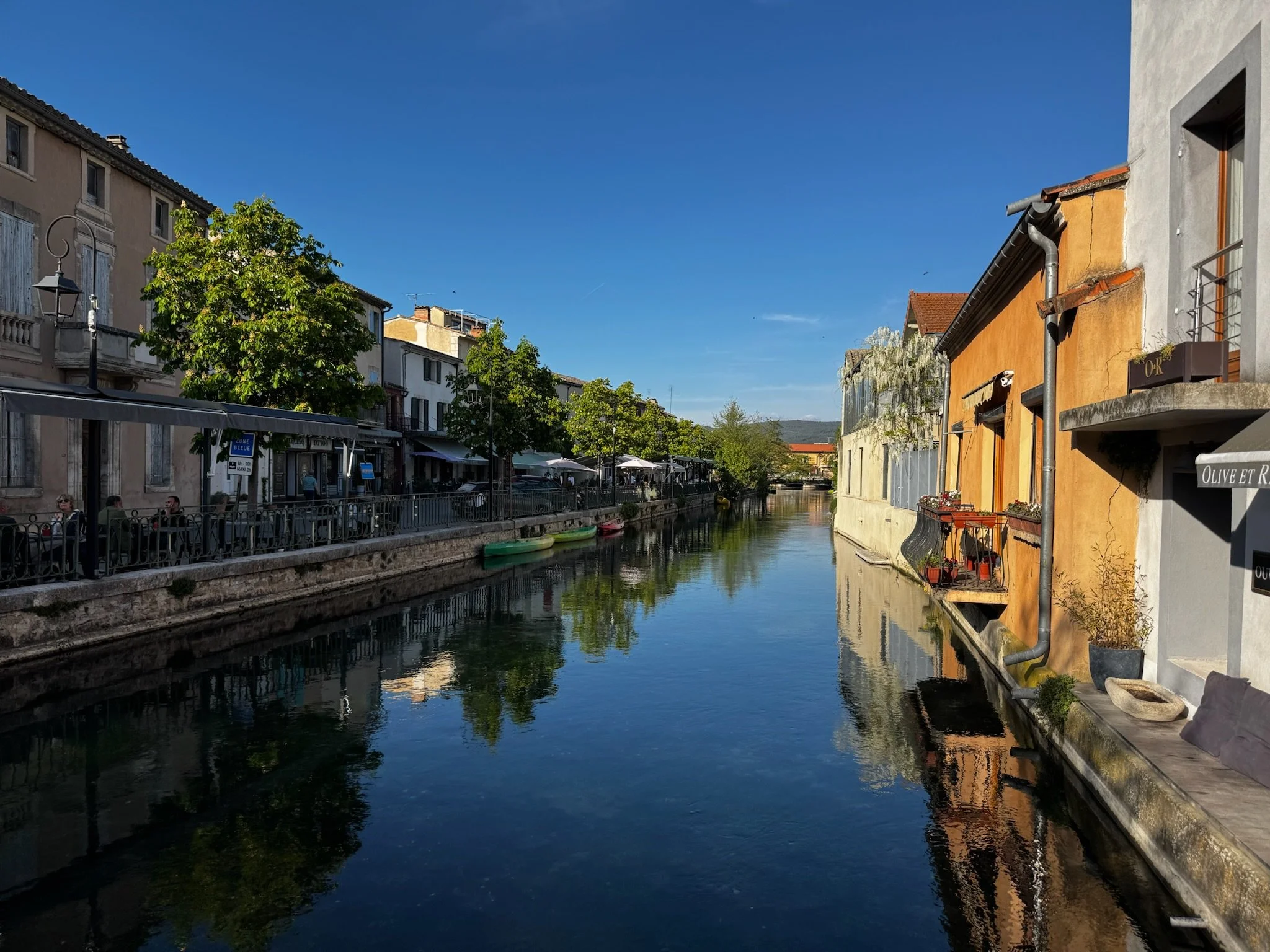
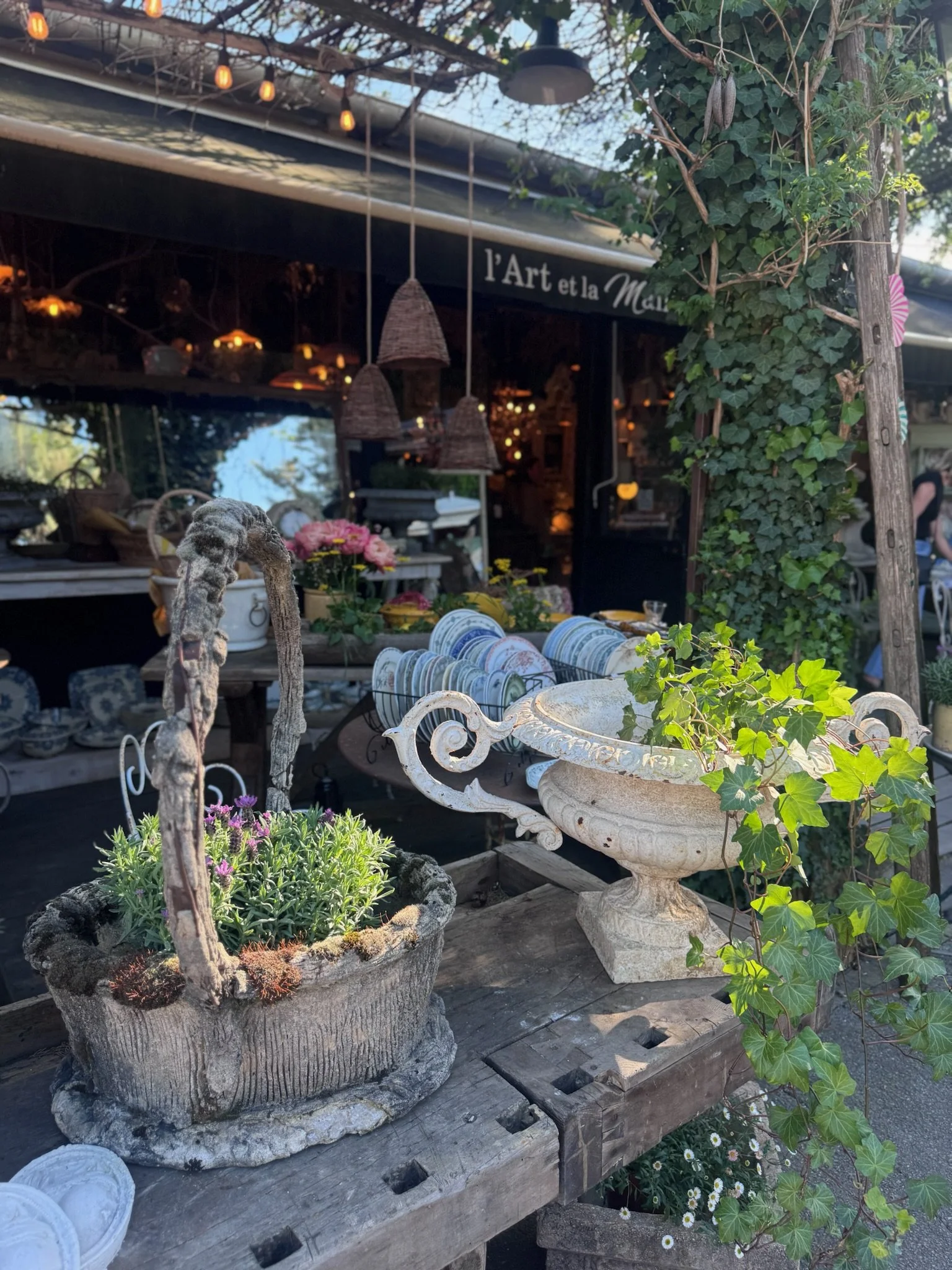
Known for its antique markets, this is a must if you love design or unique finds. The canals running through the town give it a completely different feel, and the combination of water, markets, and small shops makes it one of the more distinct stops in Provence.
roussillon
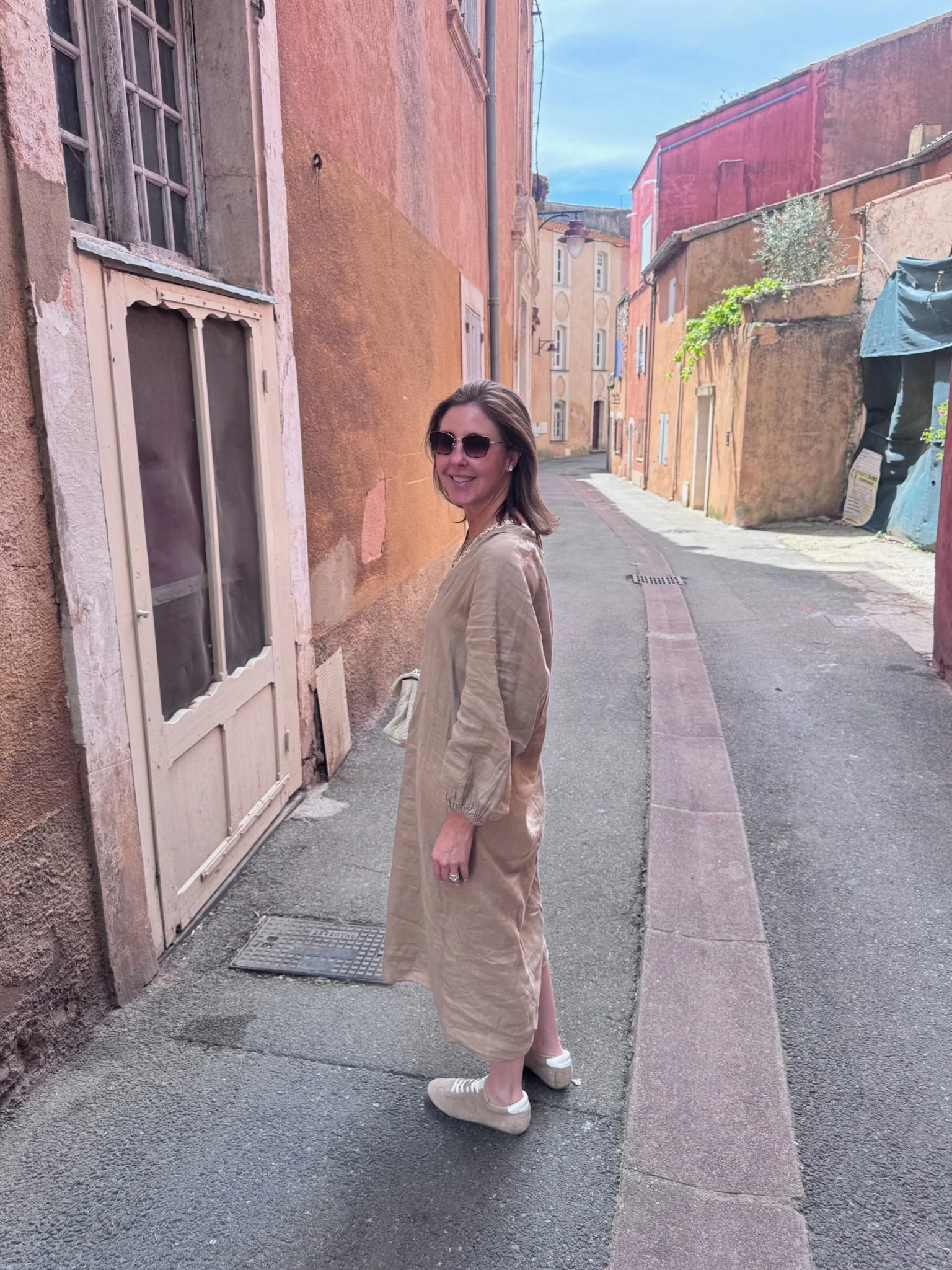
The color here is what sets it apart. The deep orange and ochre tones make the entire village feel almost surreal in the best way. It’s visually striking and absolutely worth seeing in person—especially for a slower walk through the streets and viewpoints.
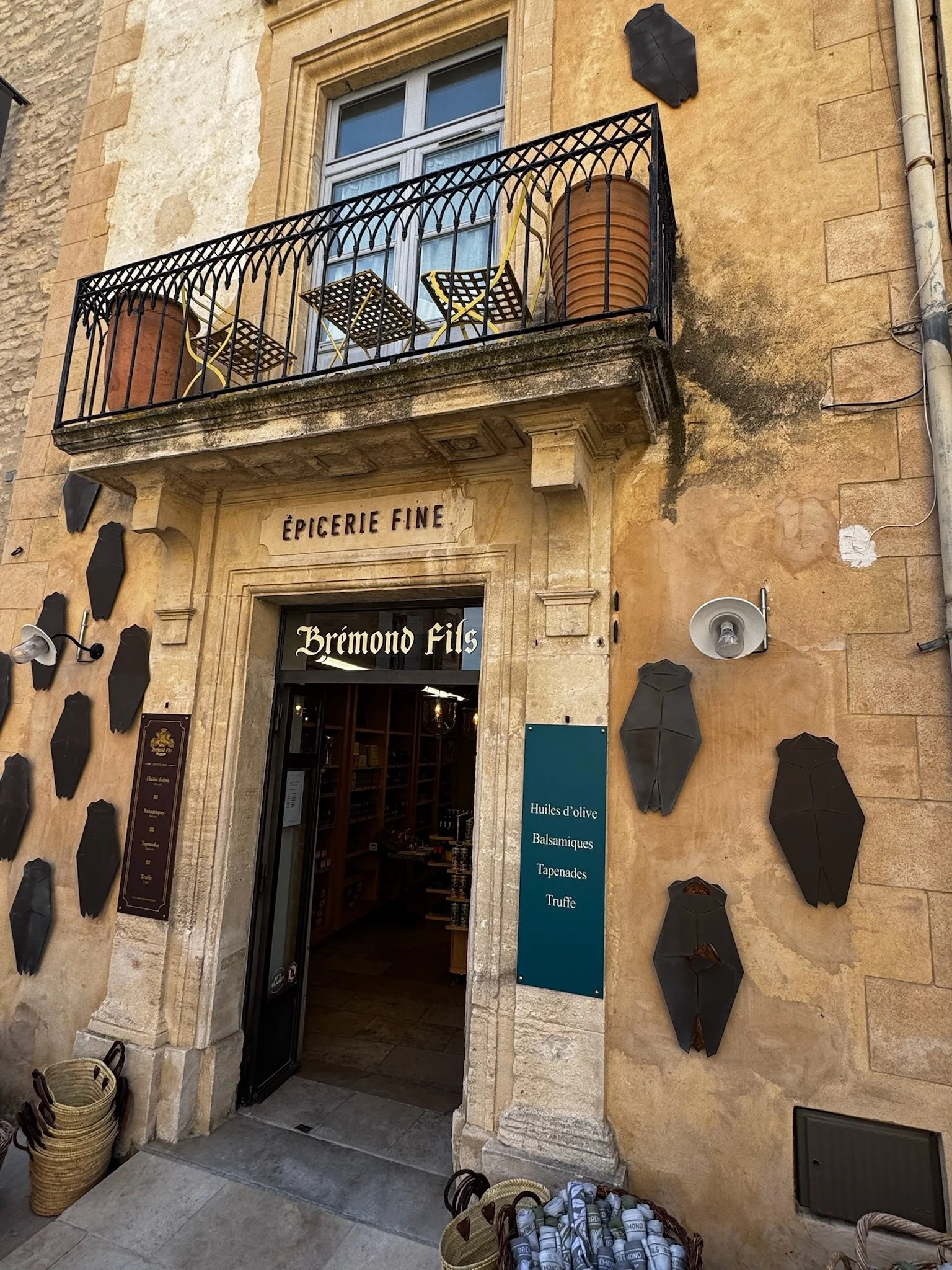
Gordes
One of the most iconic villages in Provence, and for good reason. It’s elevated, scenic, and incredibly picturesque. It’s the kind of place you picture when you think of the region, and it works beautifully as either a stop or a base depending on how you want to structure your time.
Days 6–8: Transition to the Riviera & Saint-Tropez
Base: Saint-Tropez
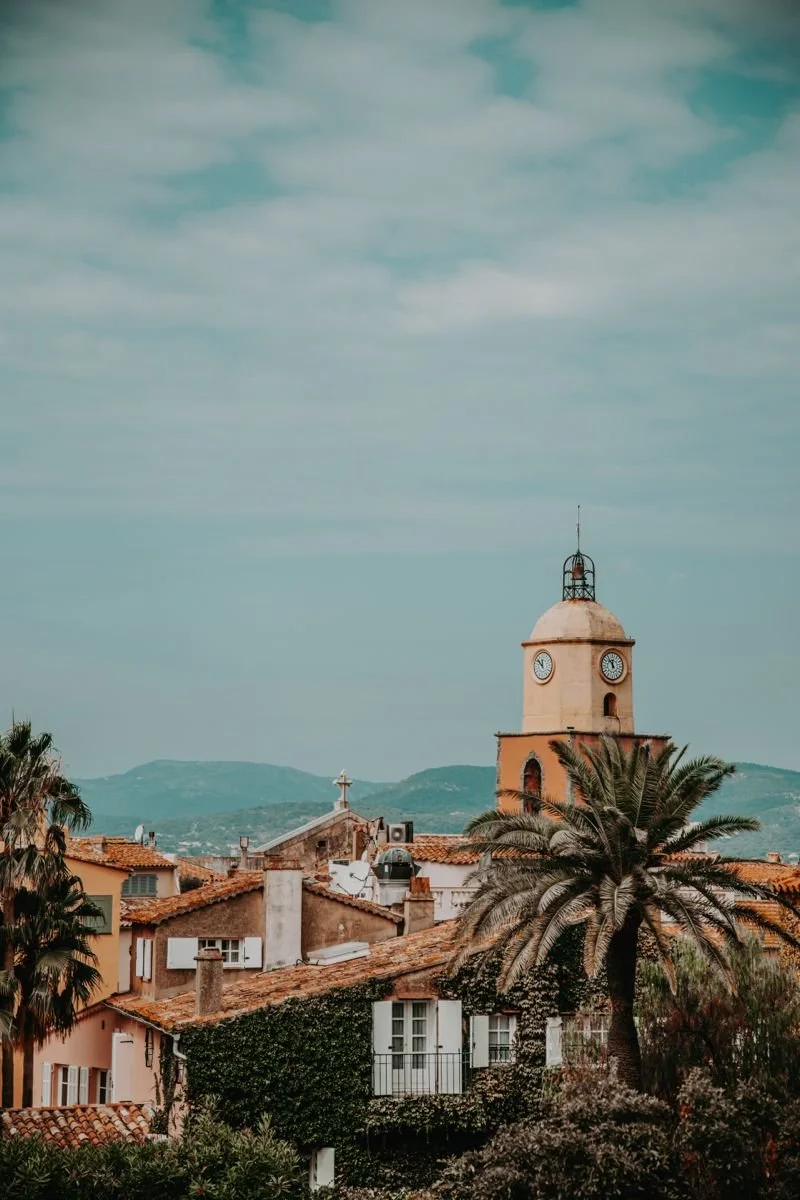
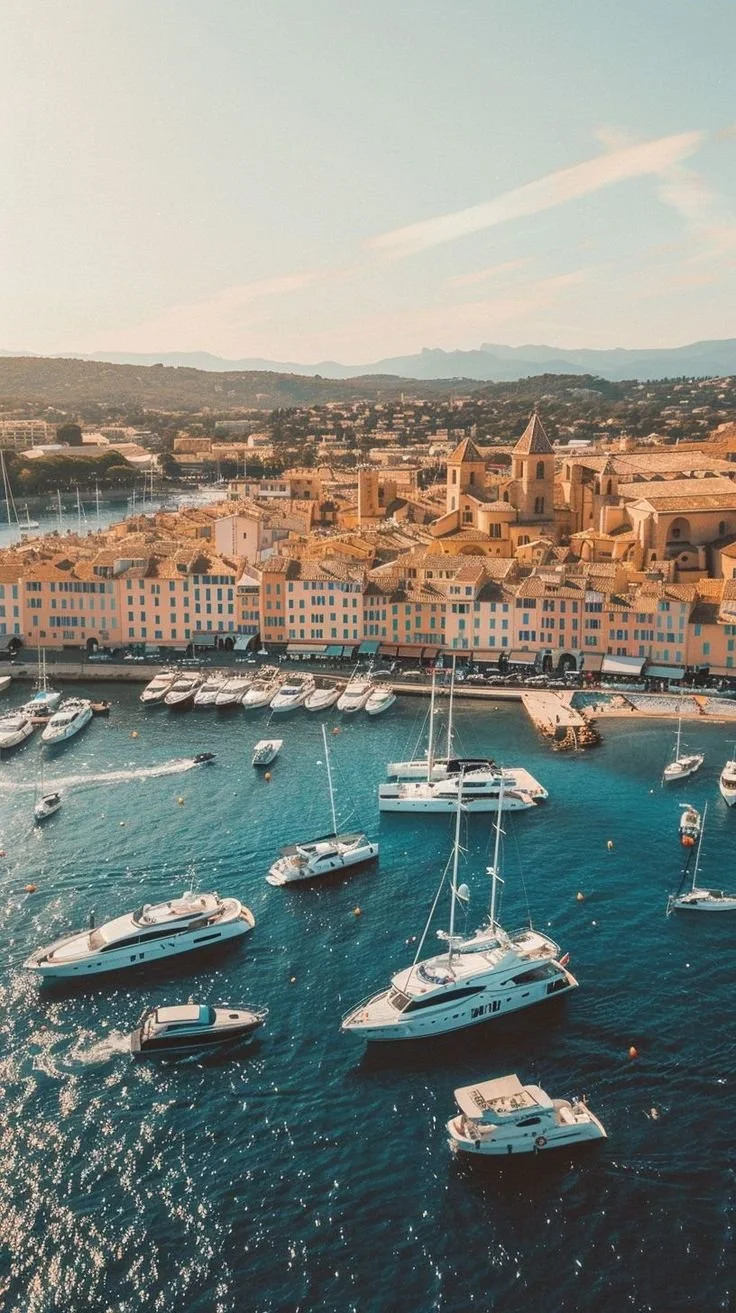
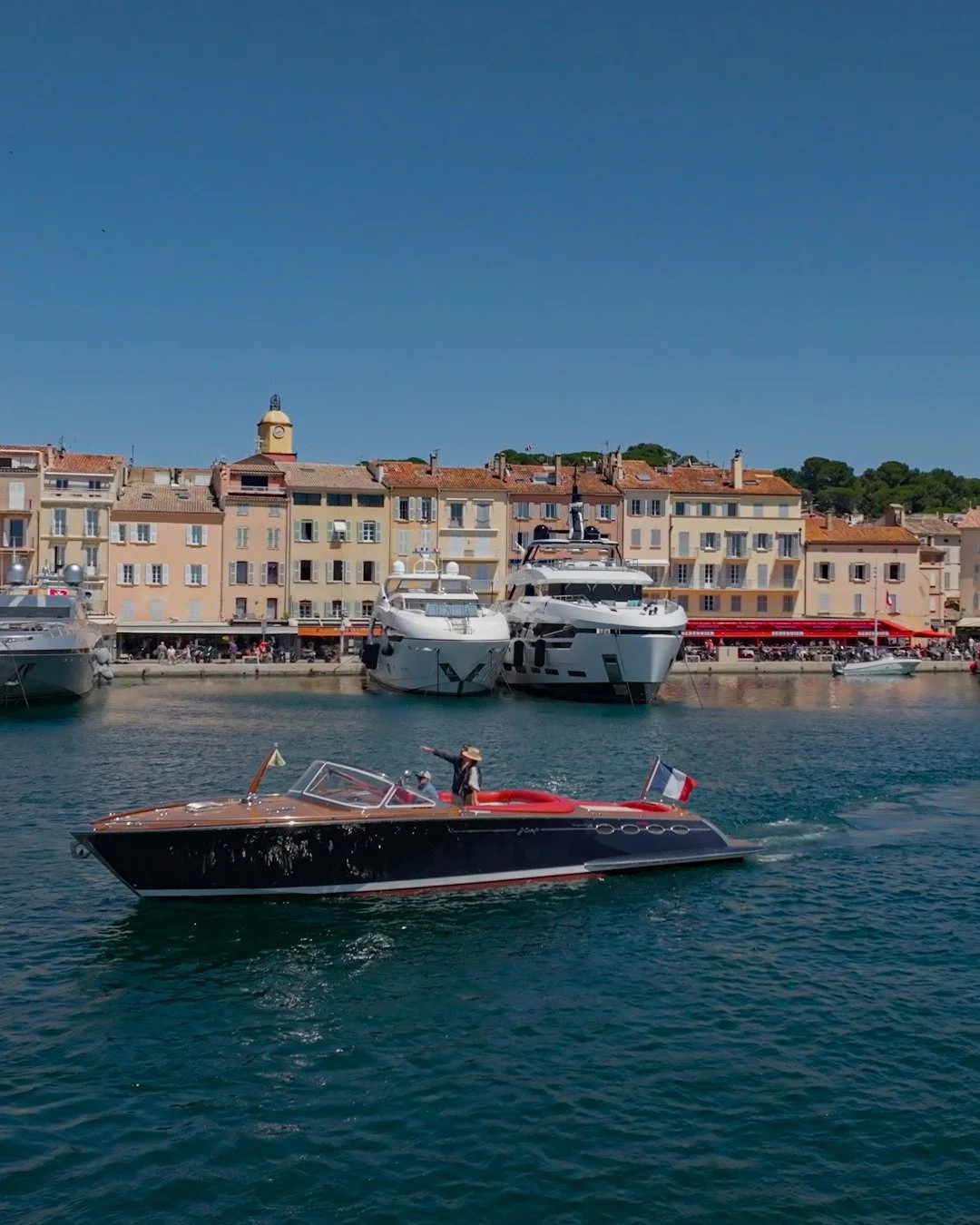
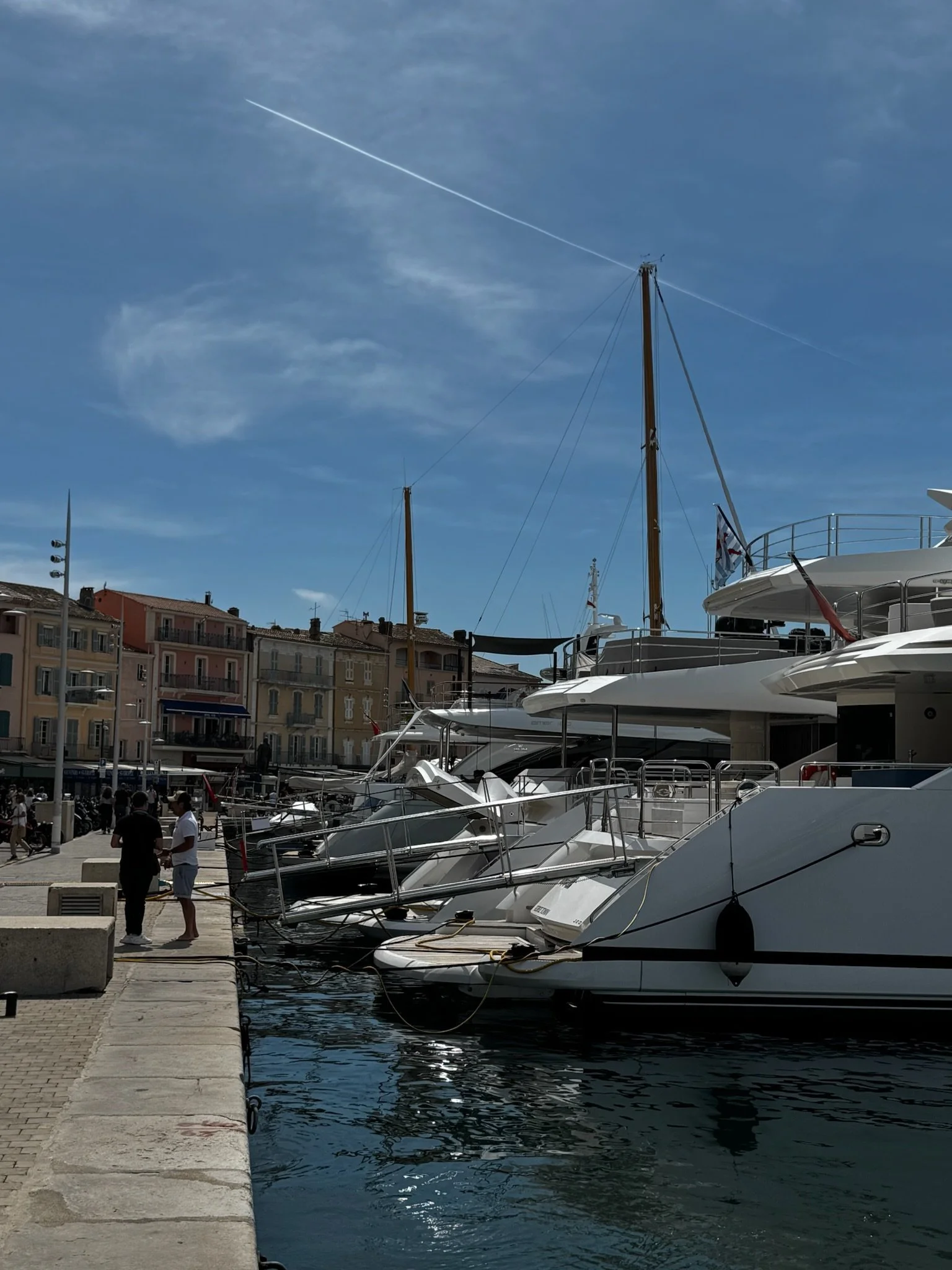
Leaving Provence and driving toward the Riviera felt like a natural shift—not just in scenery, but in the overall energy of the trip. The landscape gradually changed from quiet countryside to glimpses of the coastline, and with it, everything became a bit more polished, a bit more styled.
What began as slower, village-driven days transitioned into something more vibrant and coastal. The pace picked up slightly, the atmosphere felt more curated, and arriving into Saint-Tropez, that shift became immediate. It’s lively, it’s expressive, and it has a distinct energy—but when approached the right way, it still feels incredibly enjoyable and well-balanced.
I found that the best way to experience this part of the Riviera was to balance time in town with moments just outside of it. That contrast—between the scene and the stillness—is what really makes Saint-Tropez feel complete.
My Take: This part of the trip is all about the transition. Provence and the Riviera complement each other beautifully, but they’re very different—and letting that shift happen gradually makes the experience feel more layered. Once you’re in Saint-Tropez, it becomes about how you do it. Where you stay and how you structure your time here can completely shape the experience.
Lily of the Valley
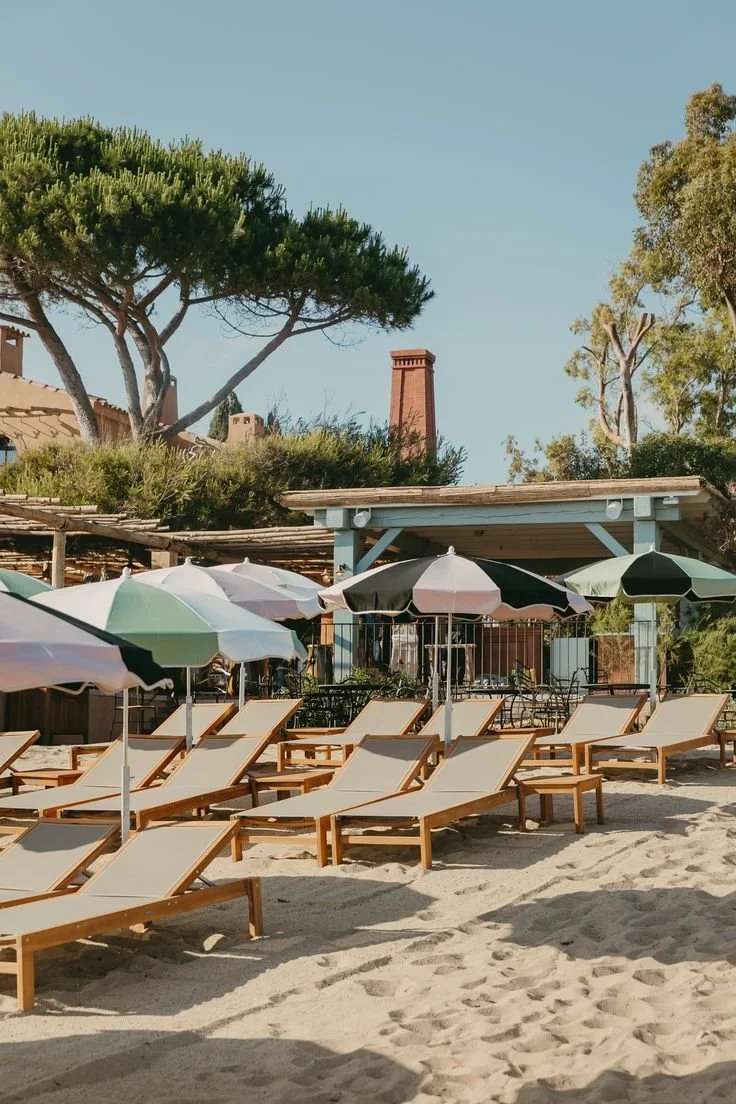
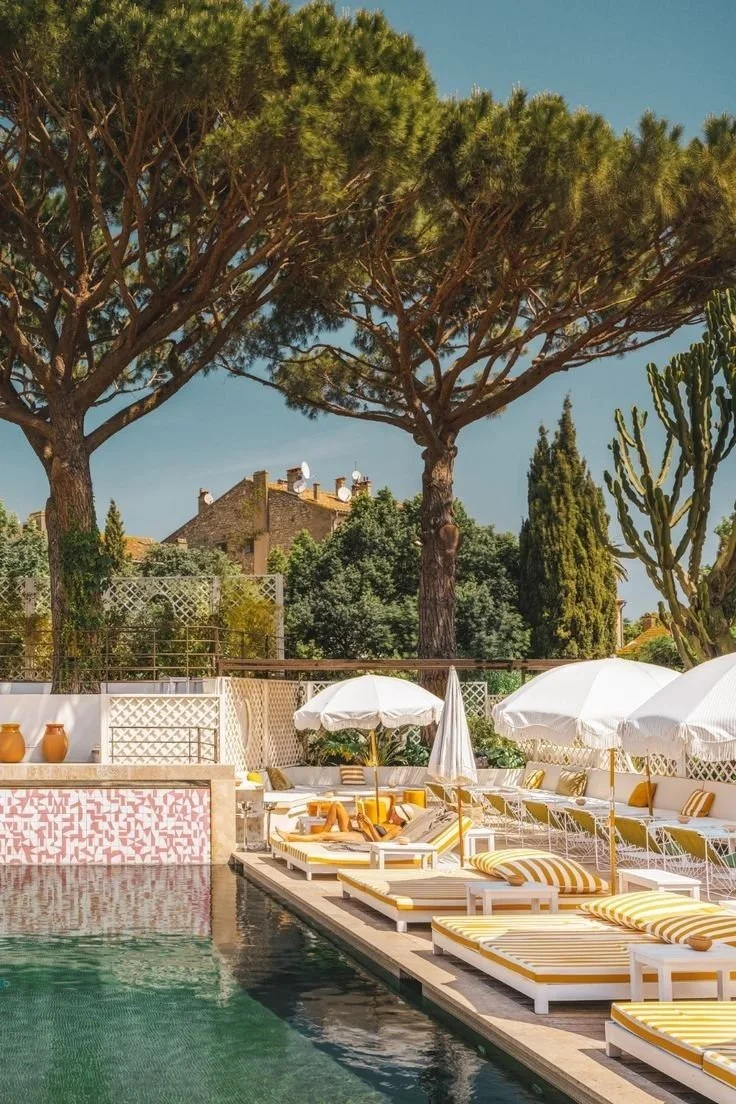
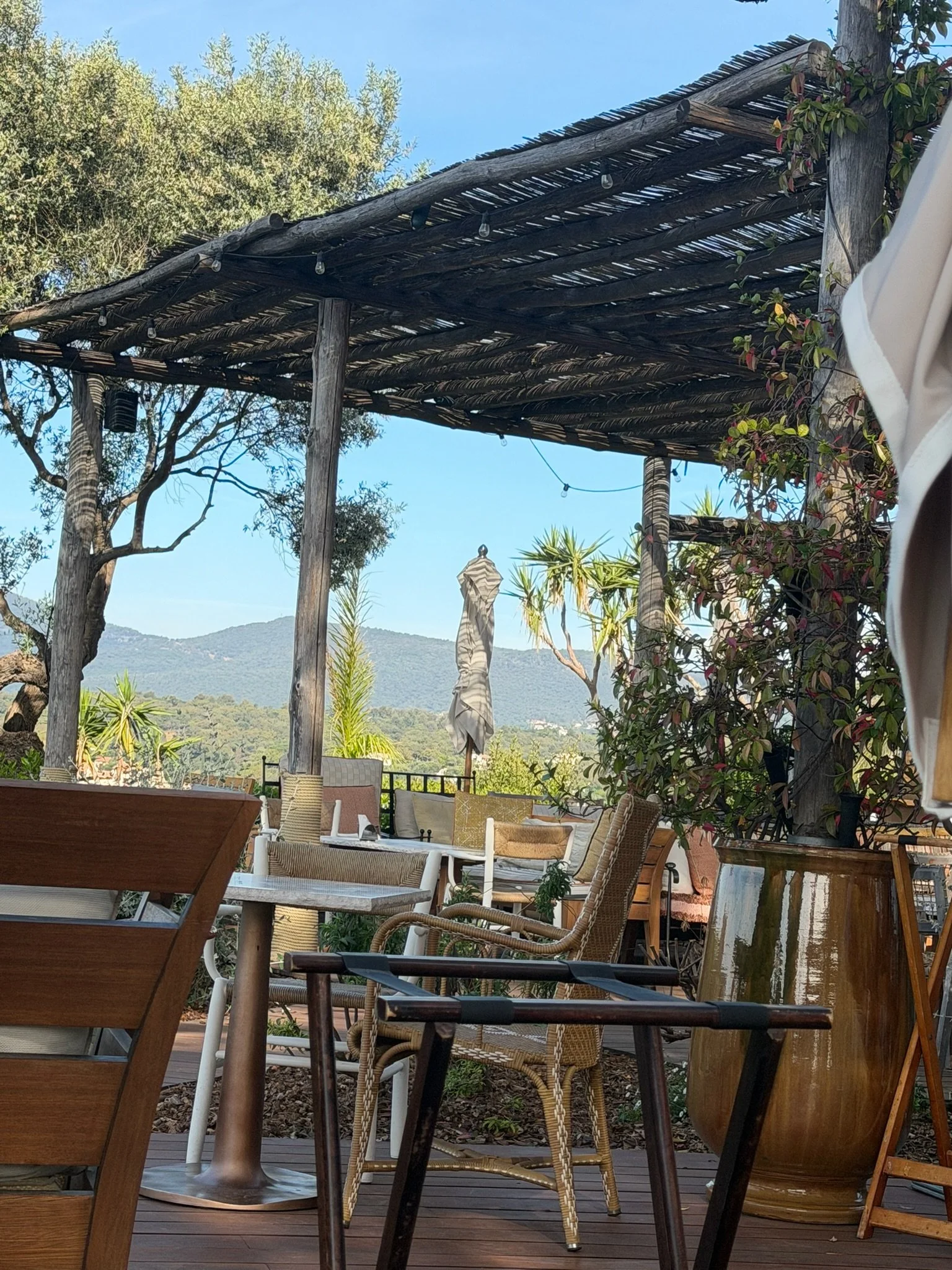
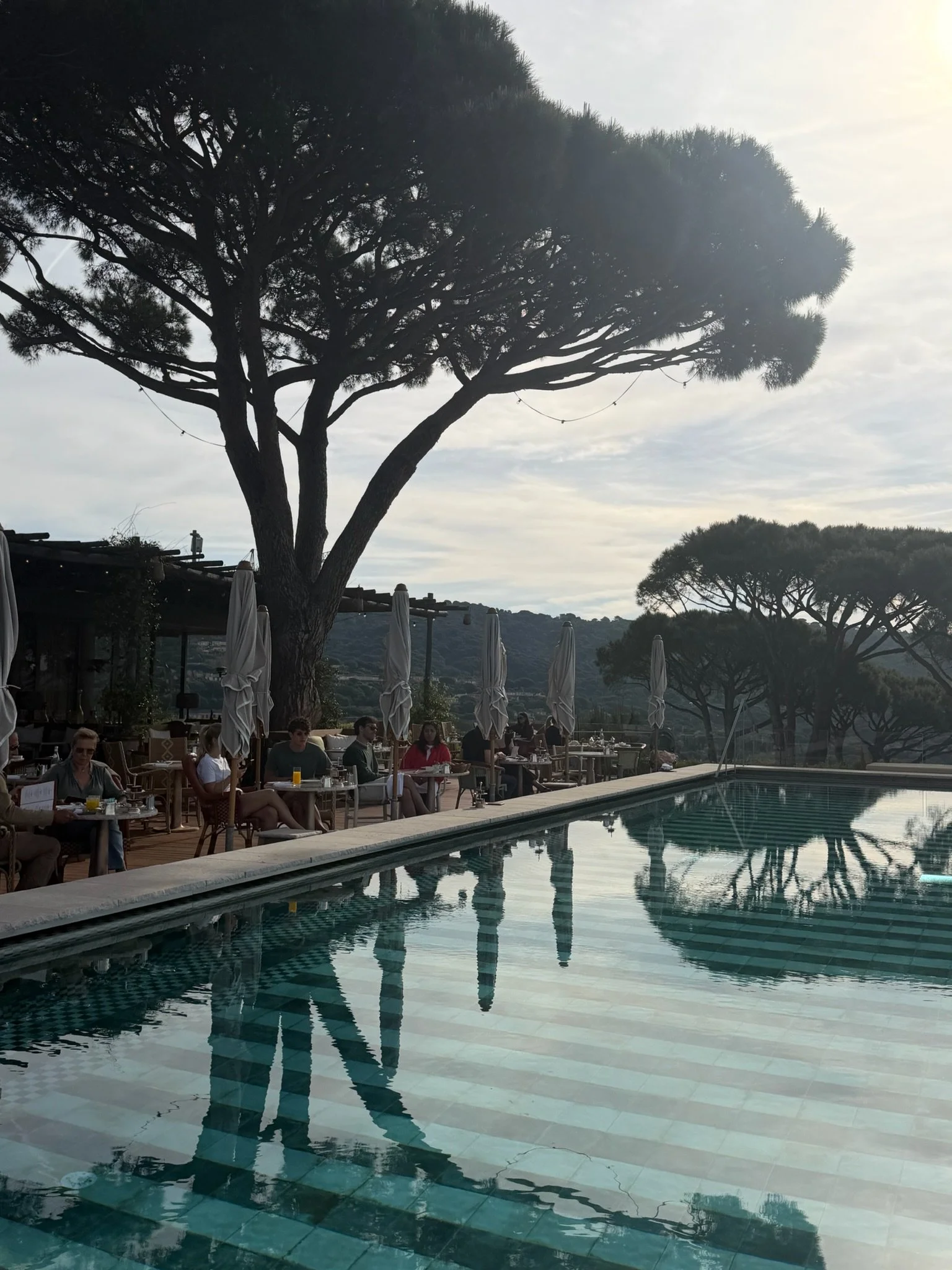
Set just outside of Saint-Tropez in Ramatuelle, this property feels intentionally removed from the center of town. Surrounded by vineyards, it leans into a wellness-focused experience with clean, modern design and a quieter atmosphere.
What stood out to me most was the setting—it feels calm, expansive, and deeply connected to the landscape. It’s a strong option for those who want to balance the Riviera with something more restorative and grounded, while still being within reach of Saint-Tropez.
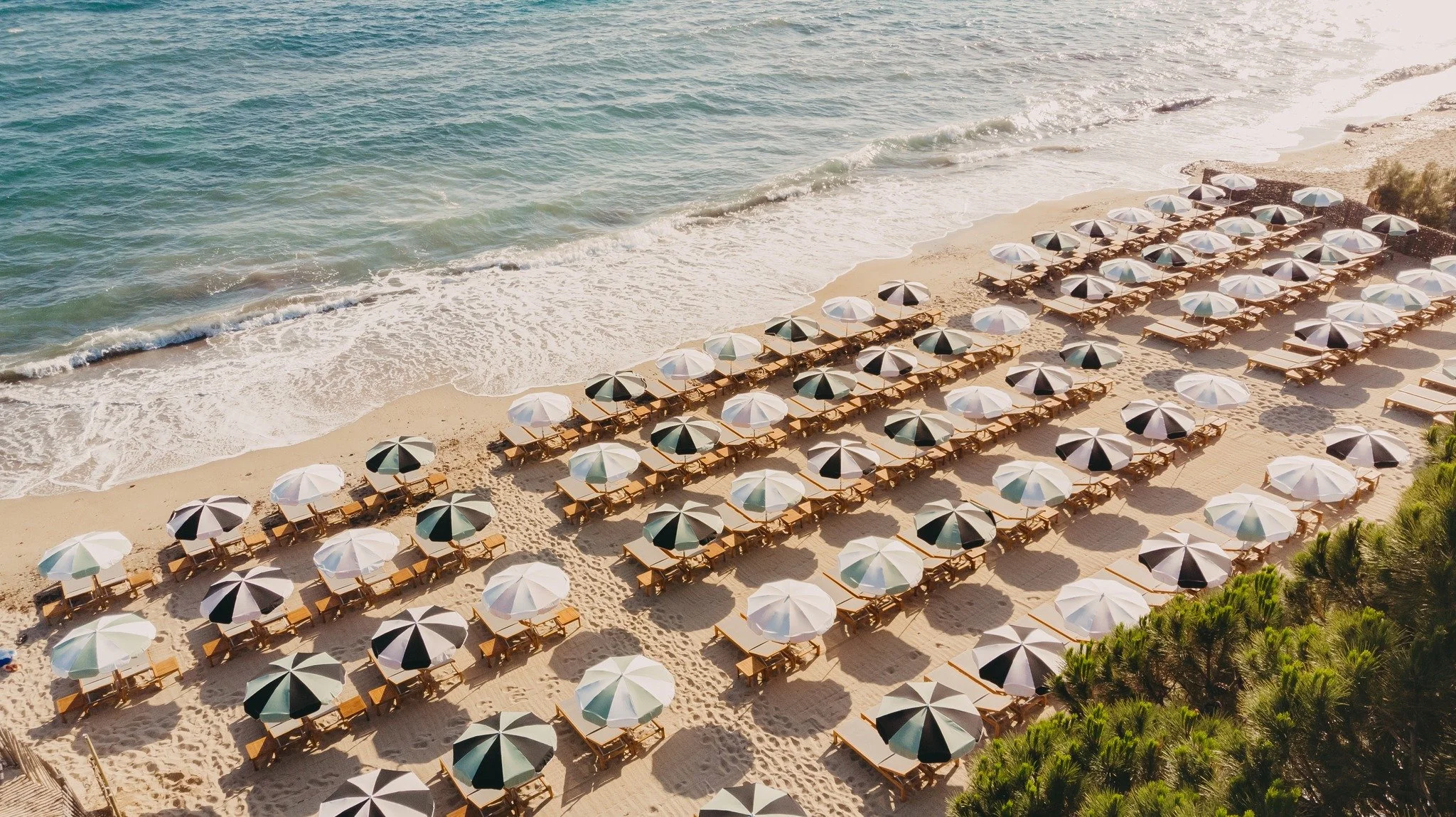
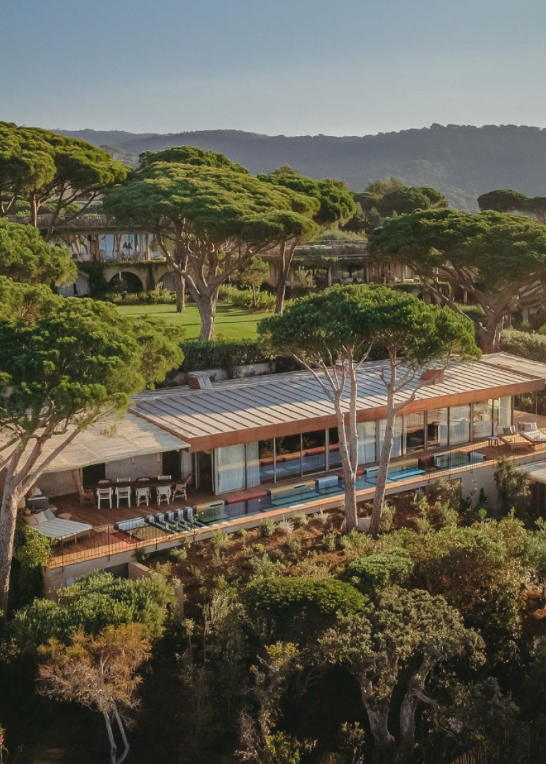
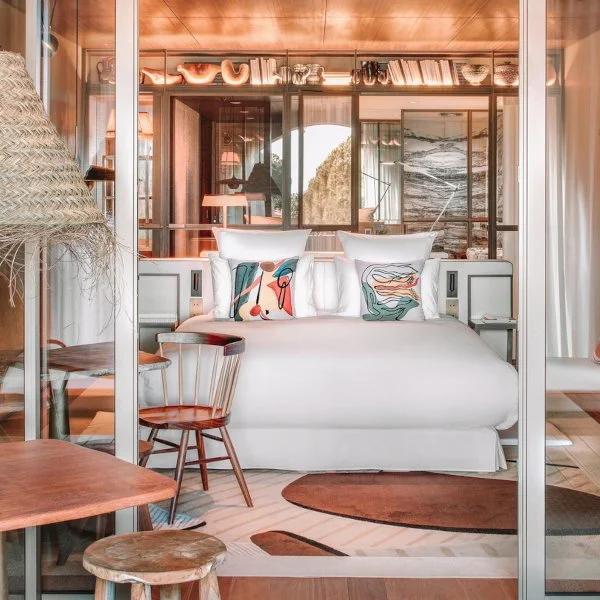
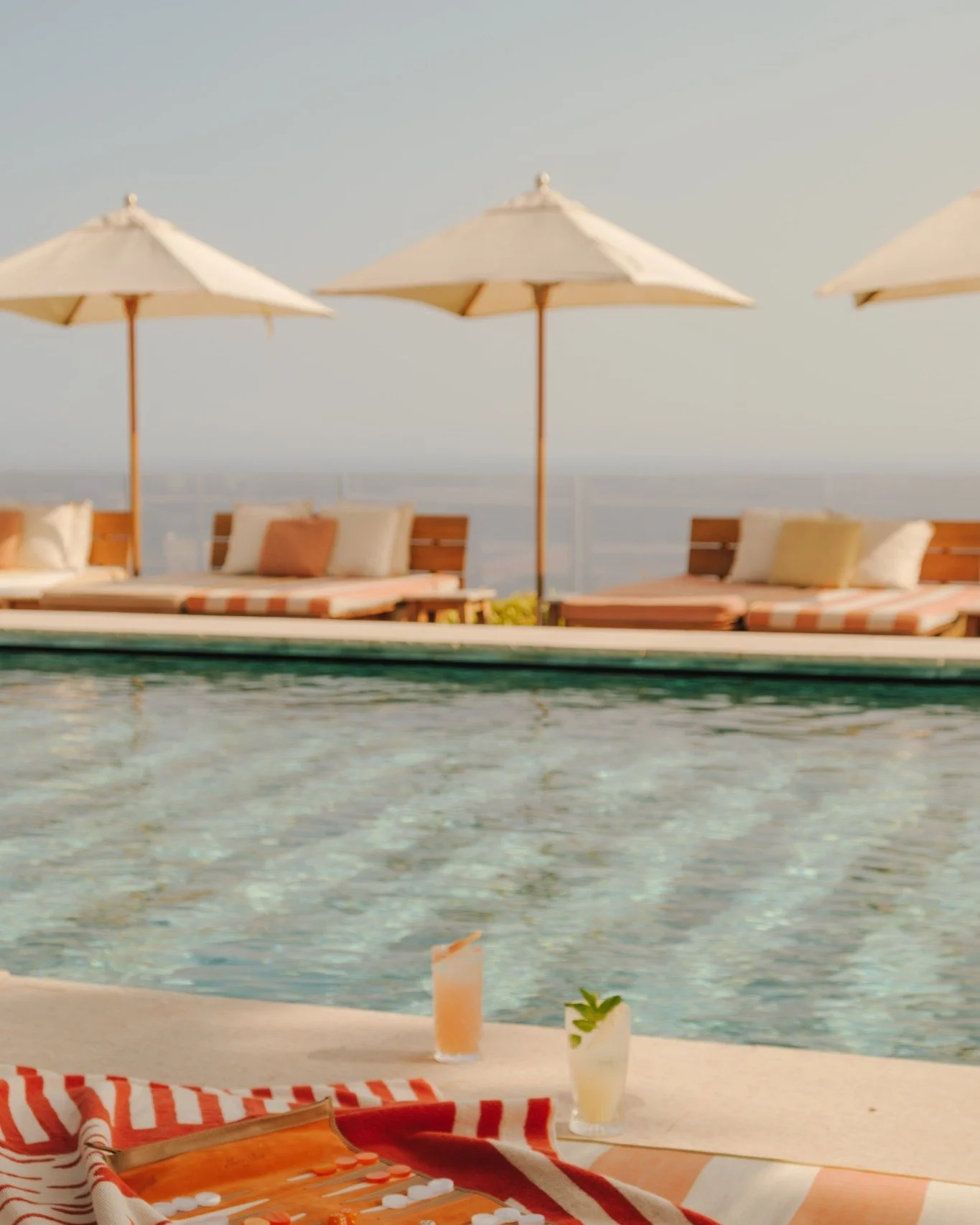
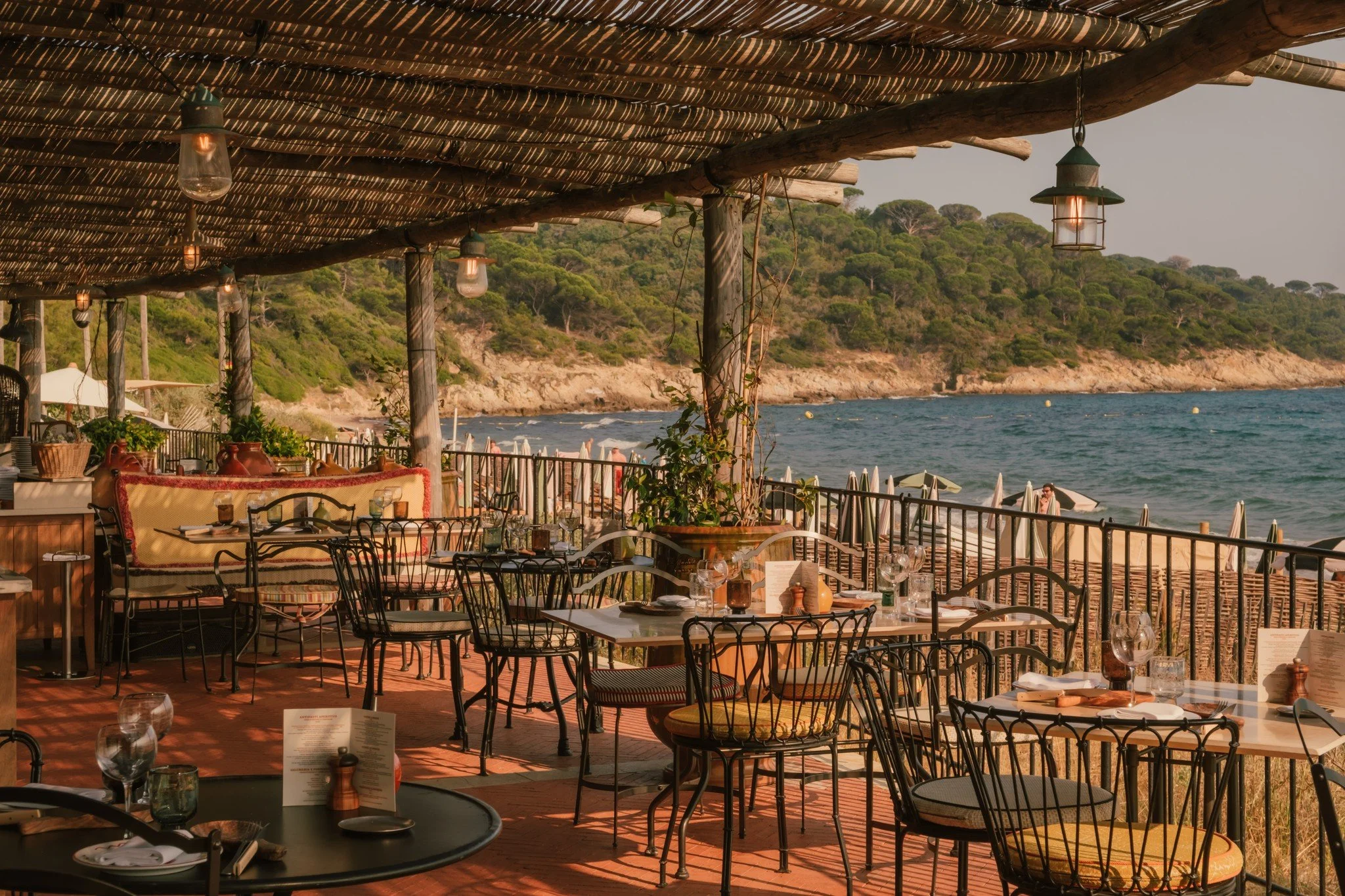
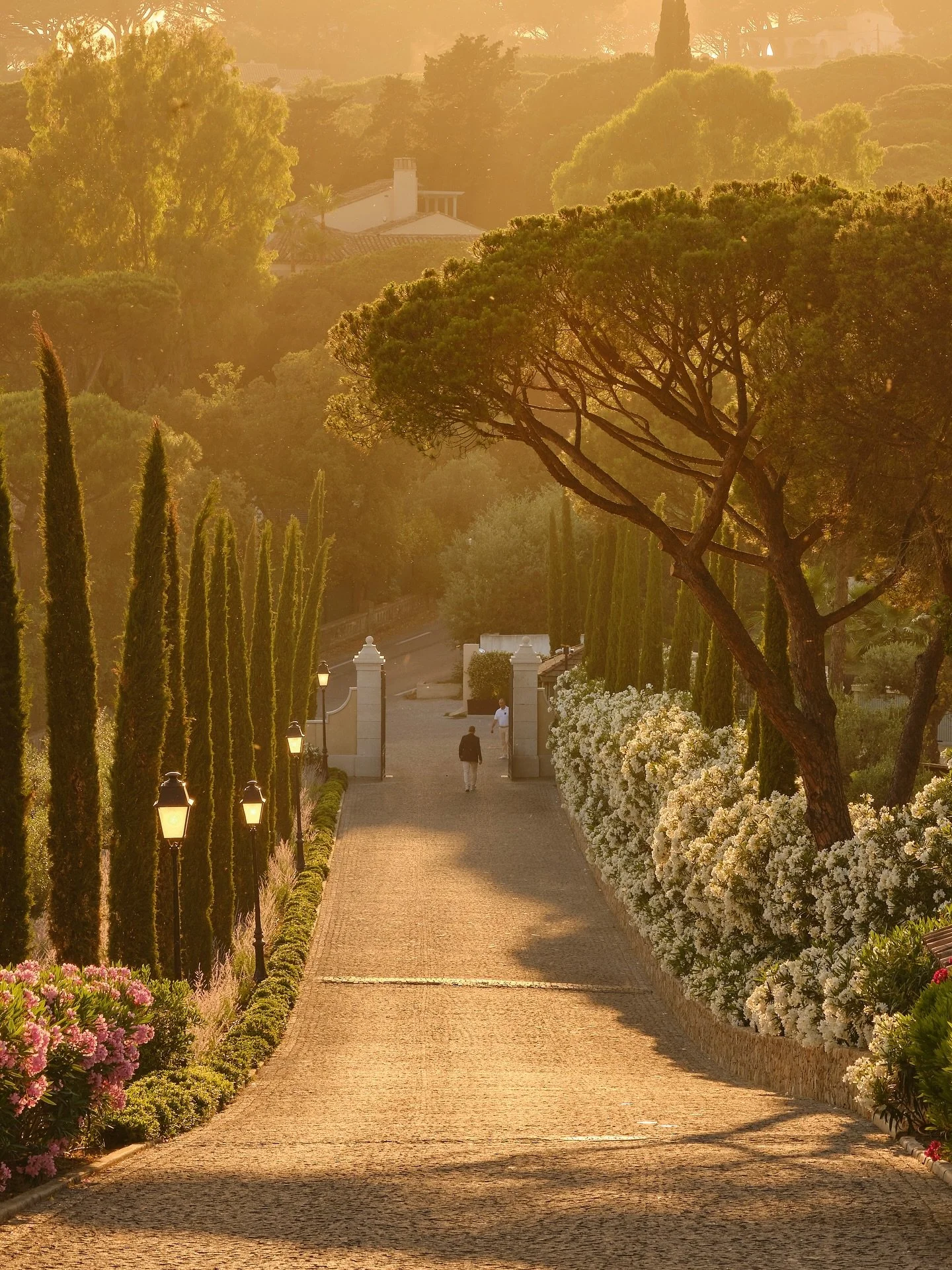
Airelles Saint-Tropez, Château de la Messardière
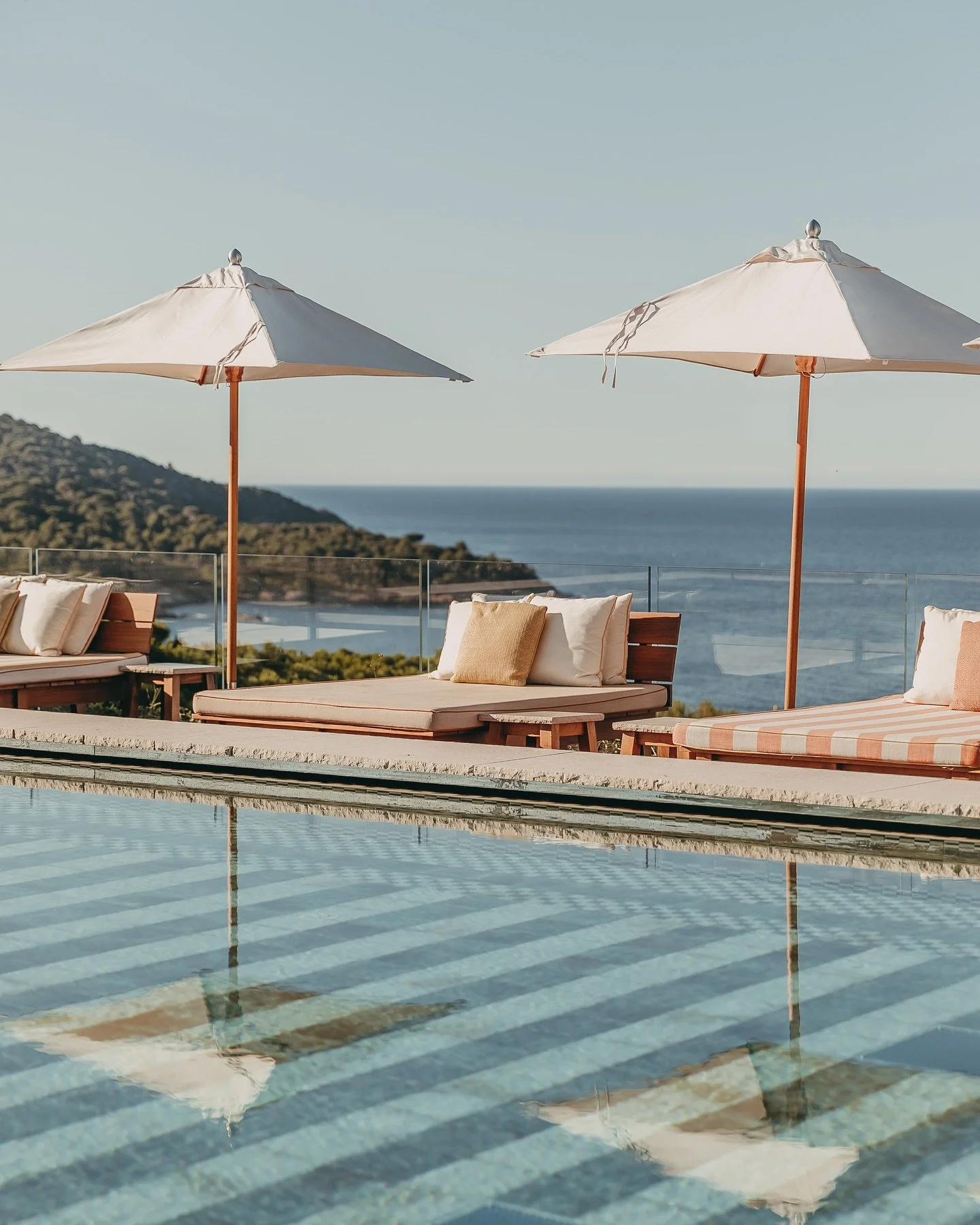
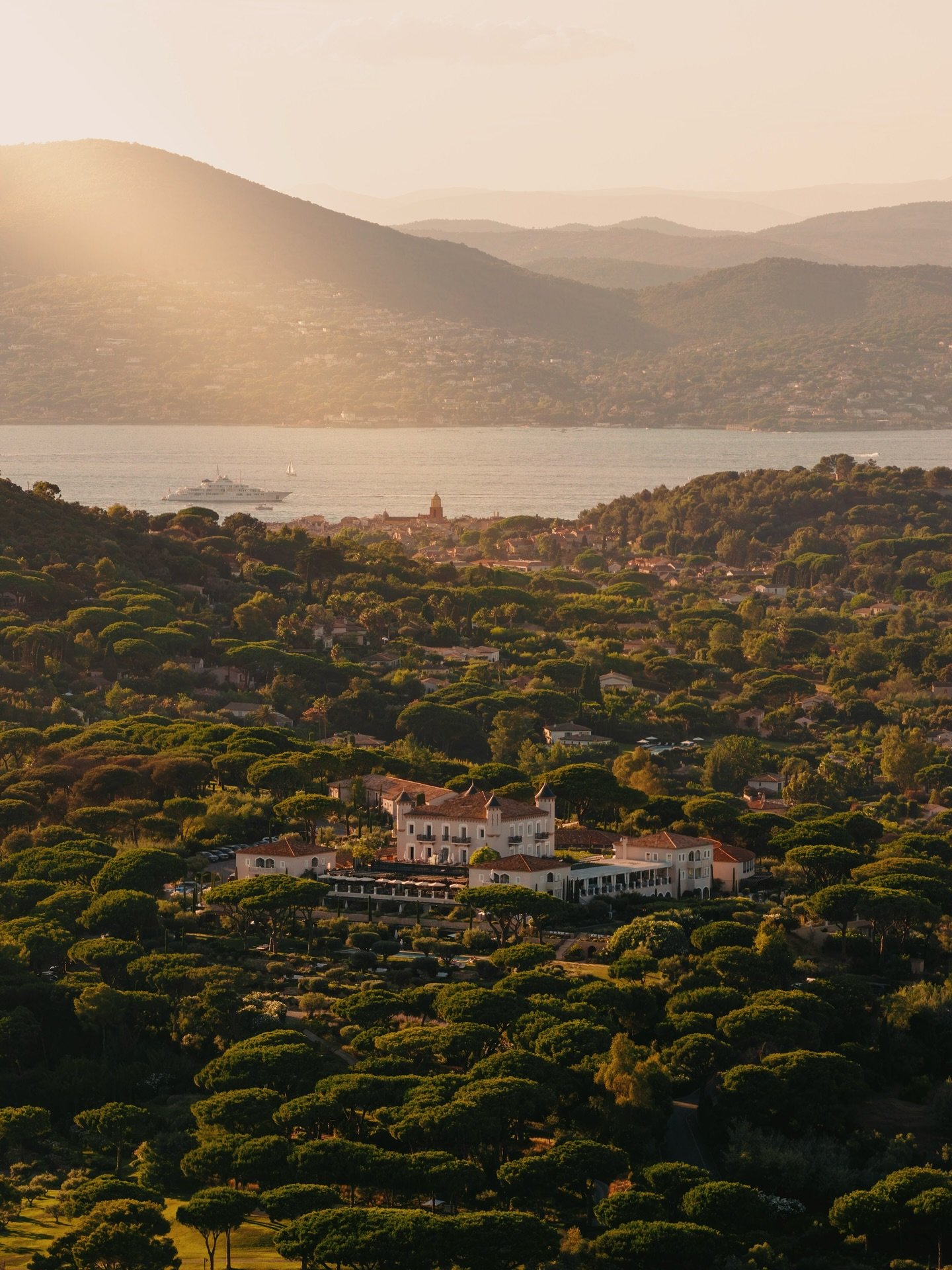
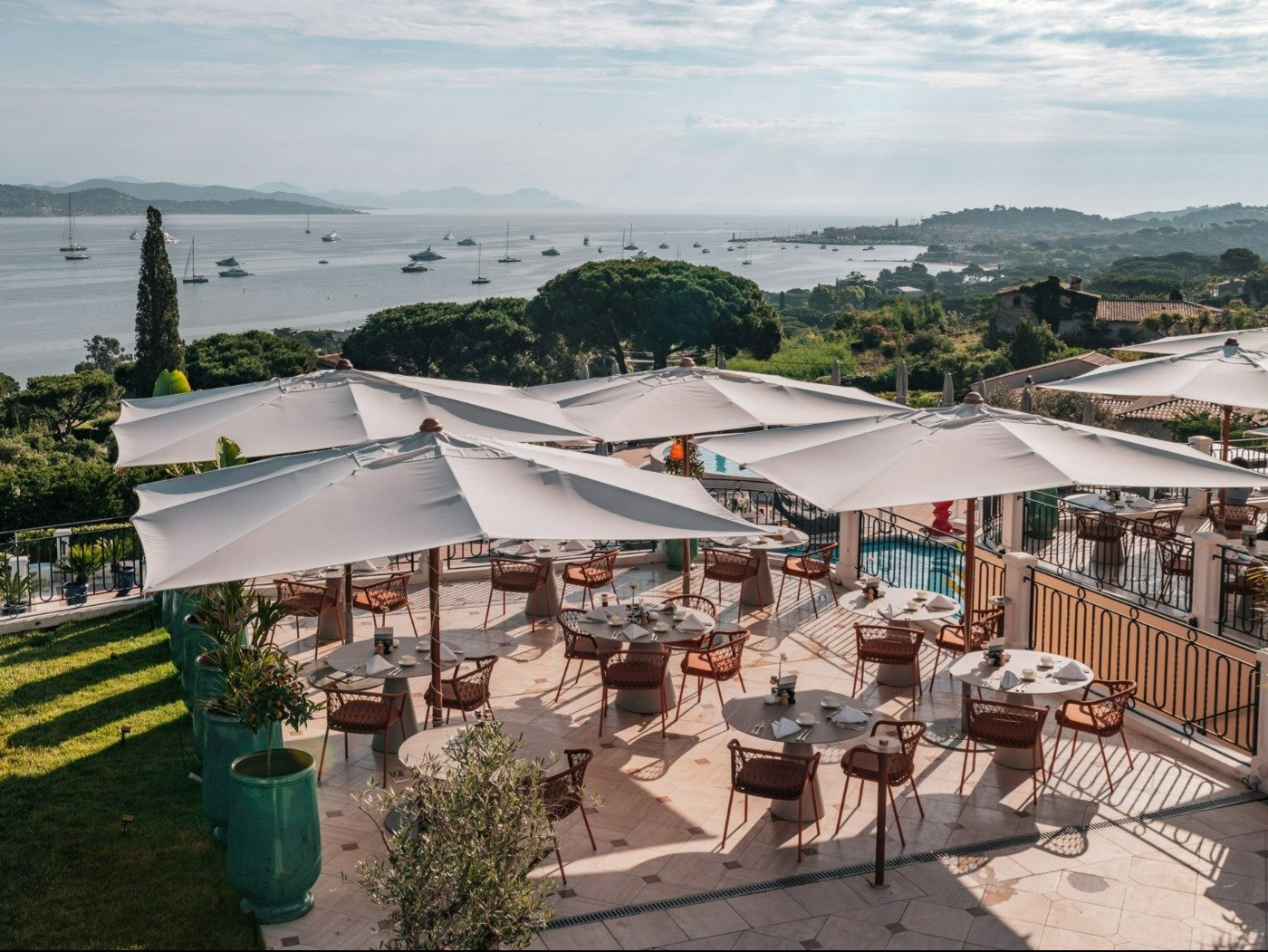
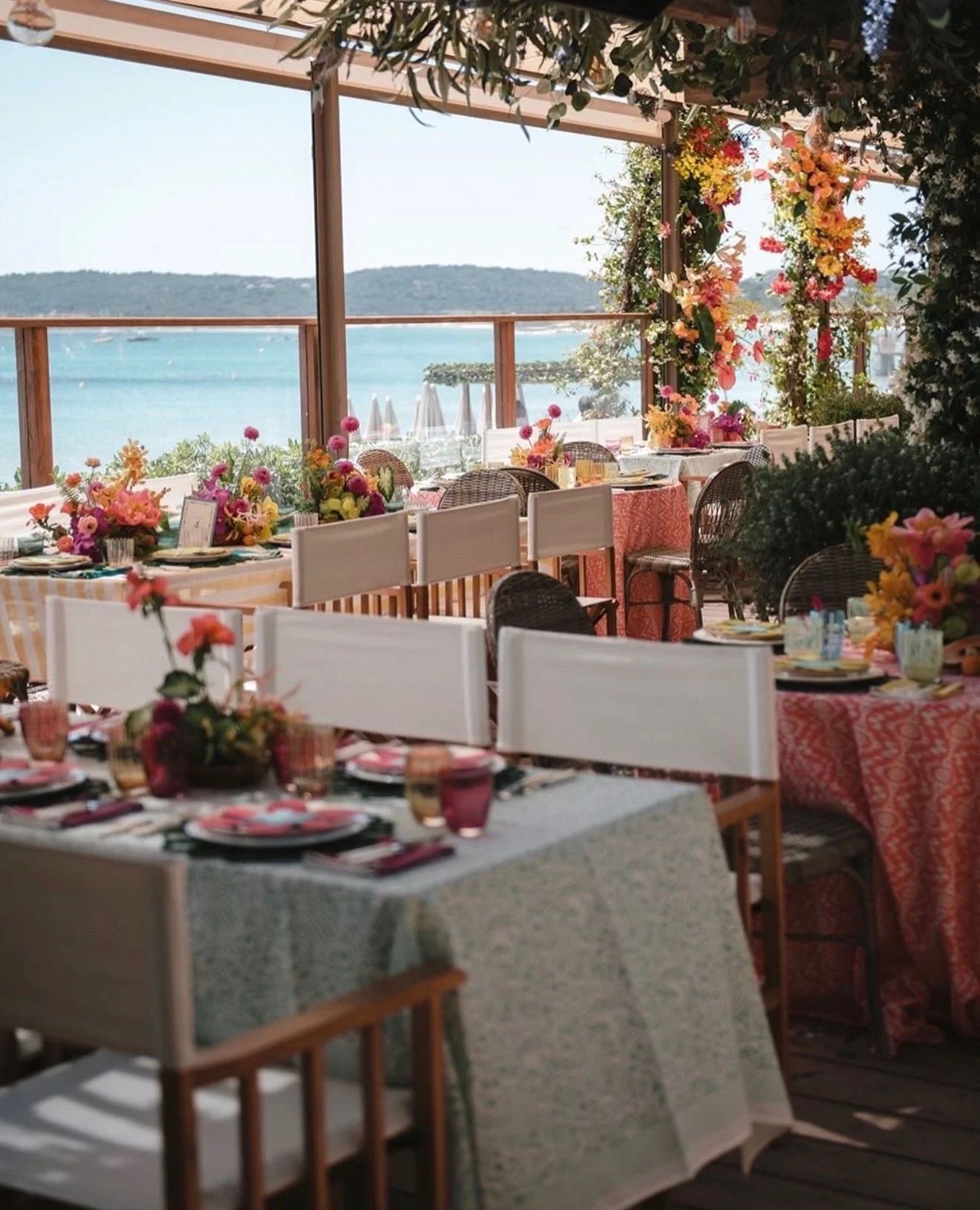
This is one of the most recognized luxury properties in Saint-Tropez, and it delivers a full, resort-style experience. Set above the town, the property feels expansive, with sweeping views and a layout that allows you to fully settle in.
Everything here feels considered—from the dining to the design to the overall flow of the property. It’s an ideal choice for those who want a polished, high-touch stay where everything is easily accessible and thoughtfully done.
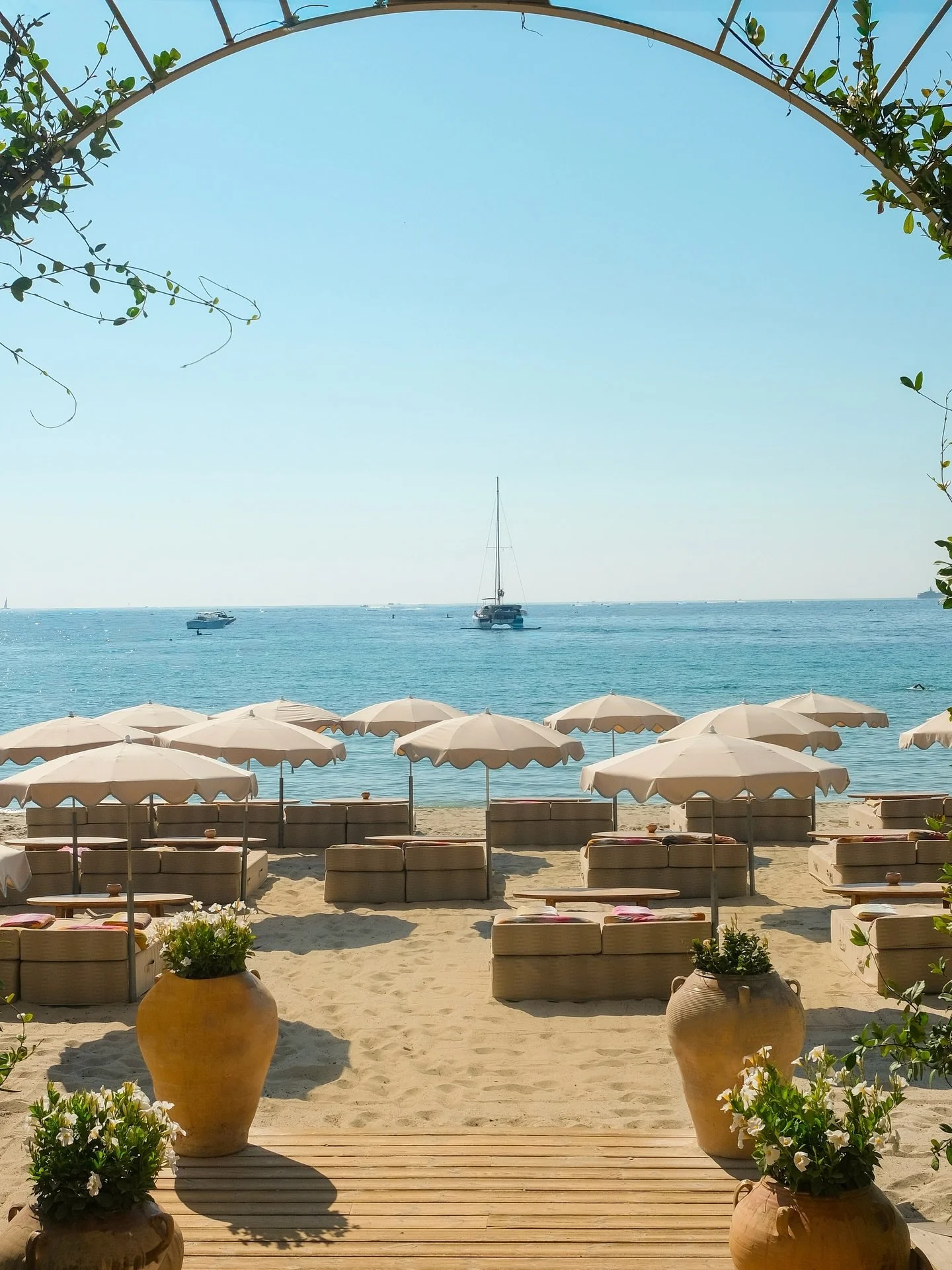
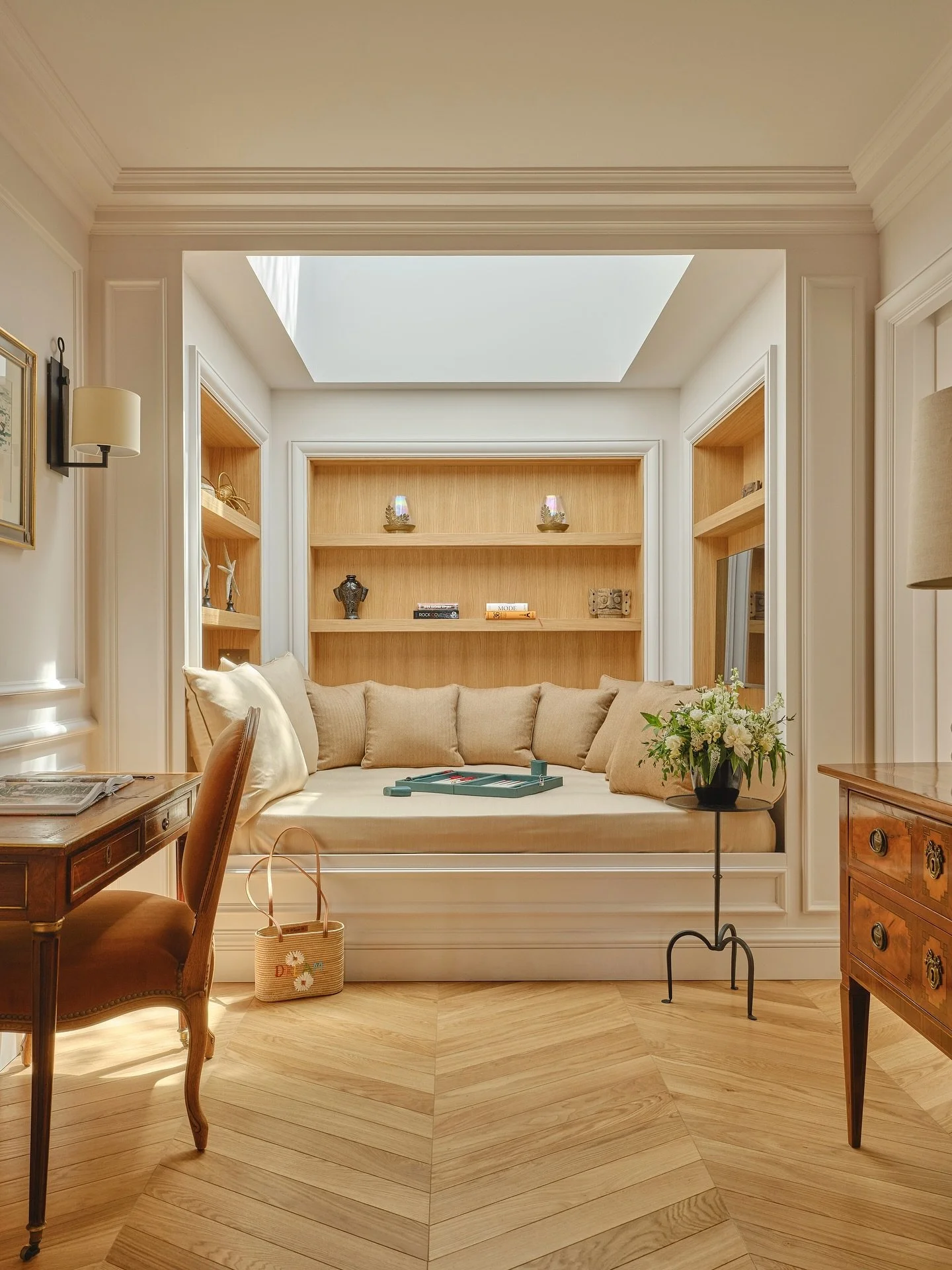
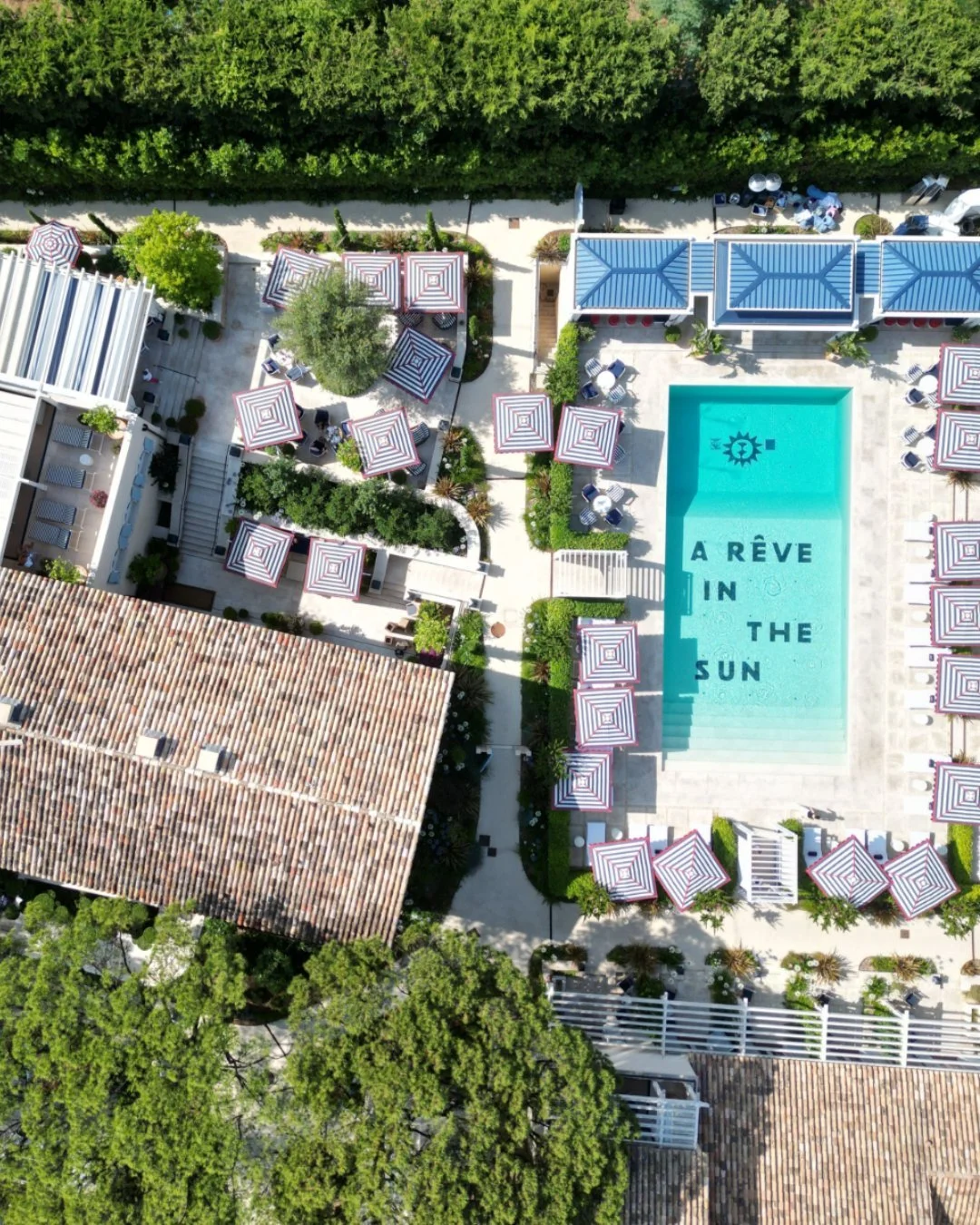
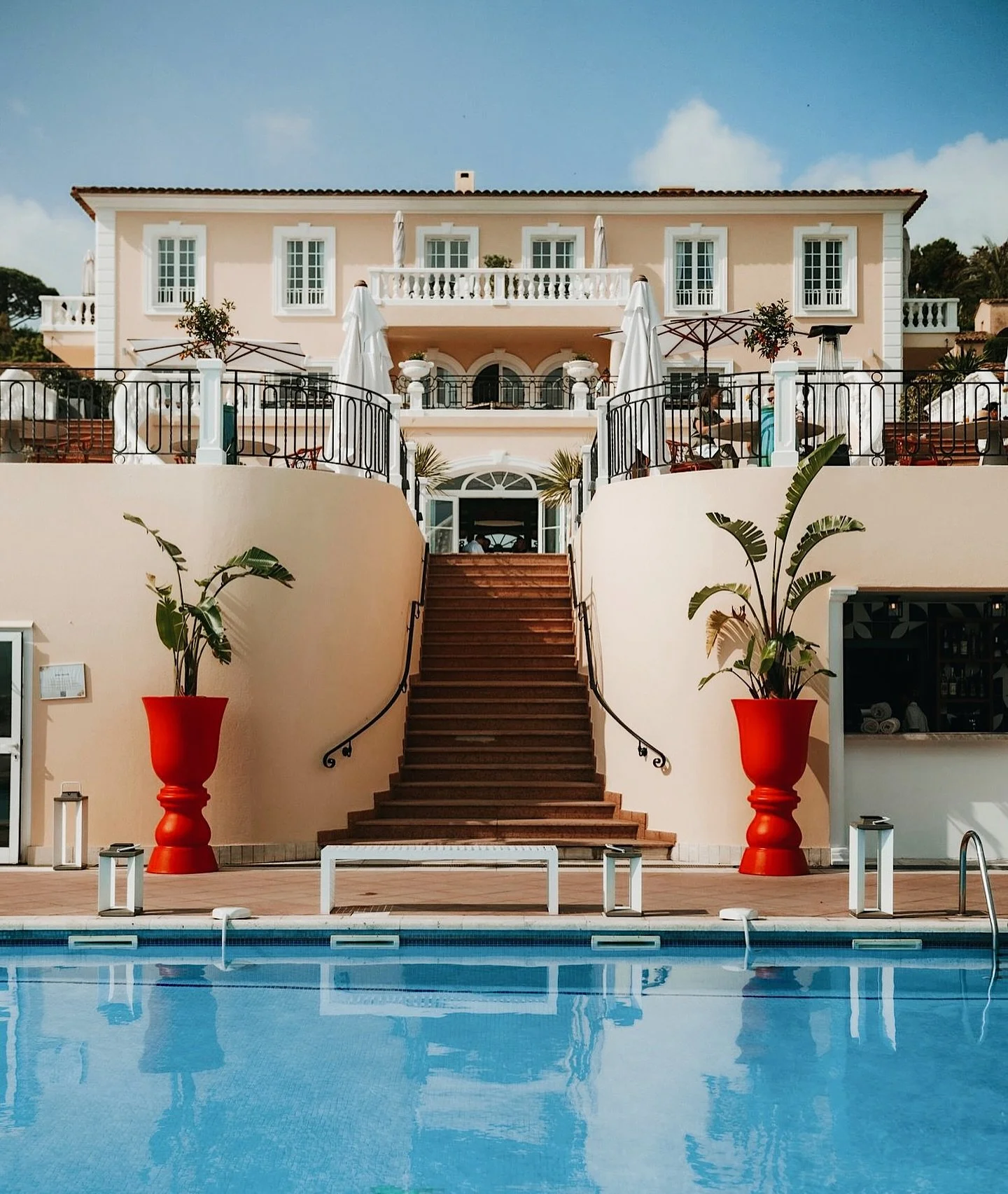
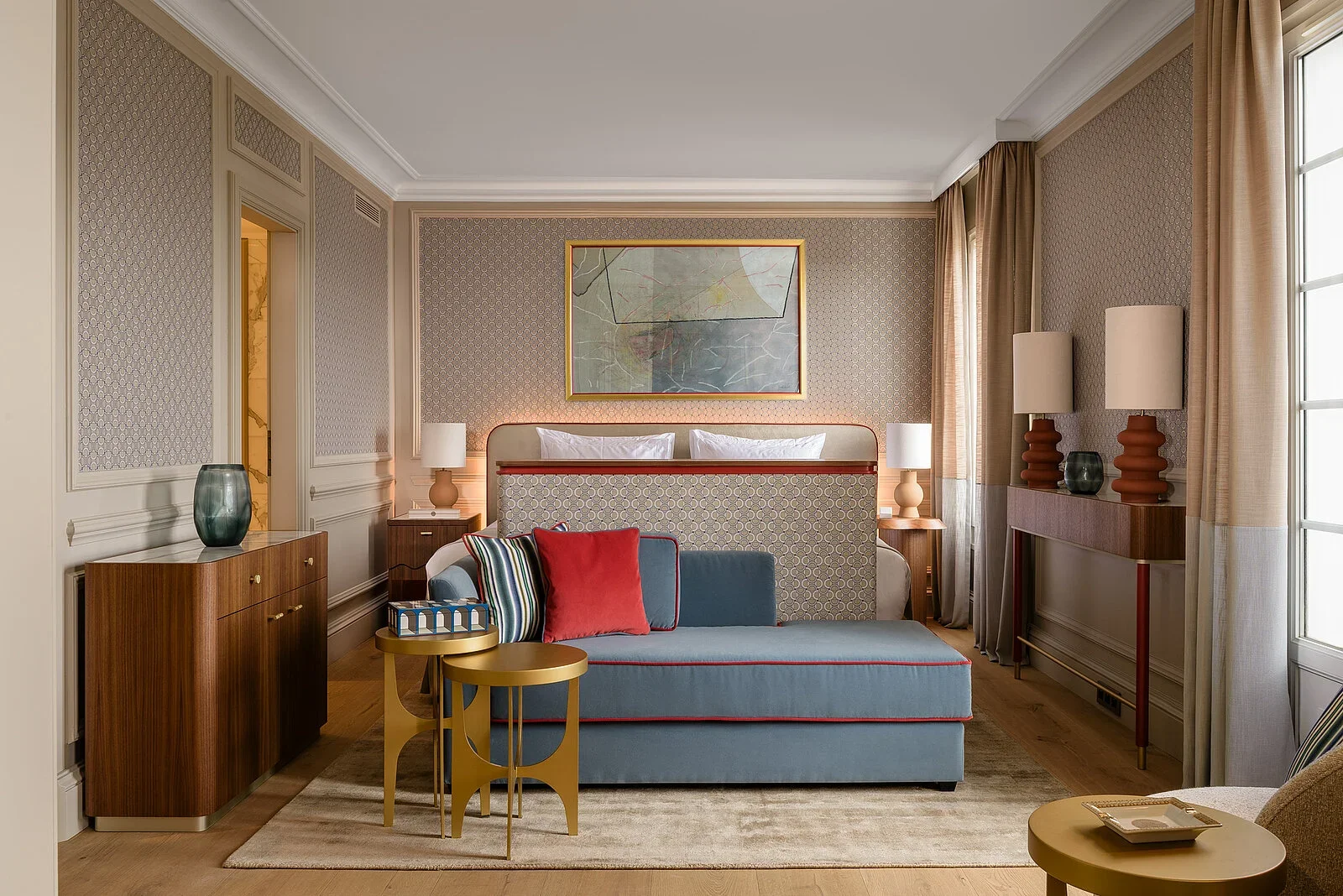
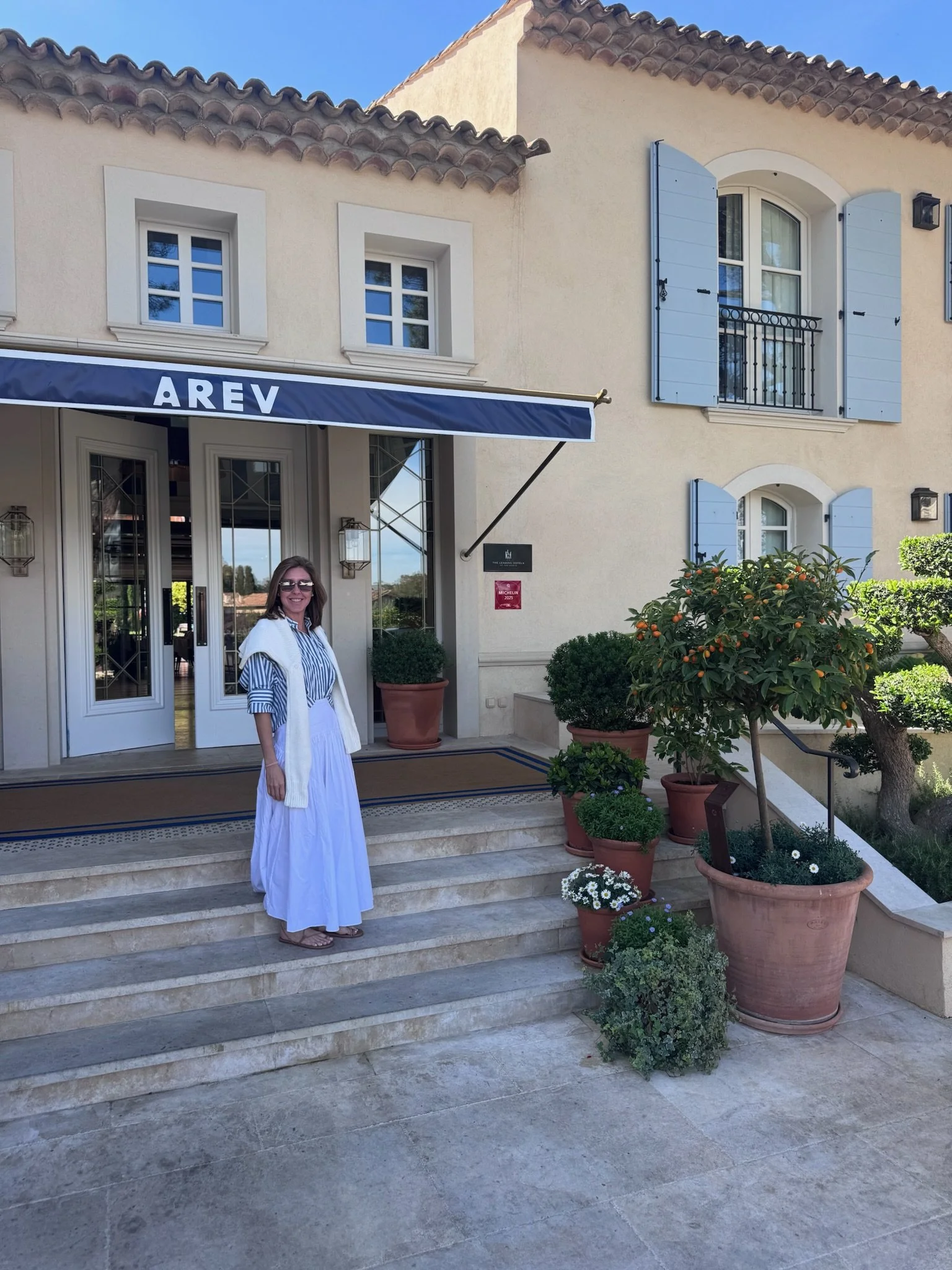
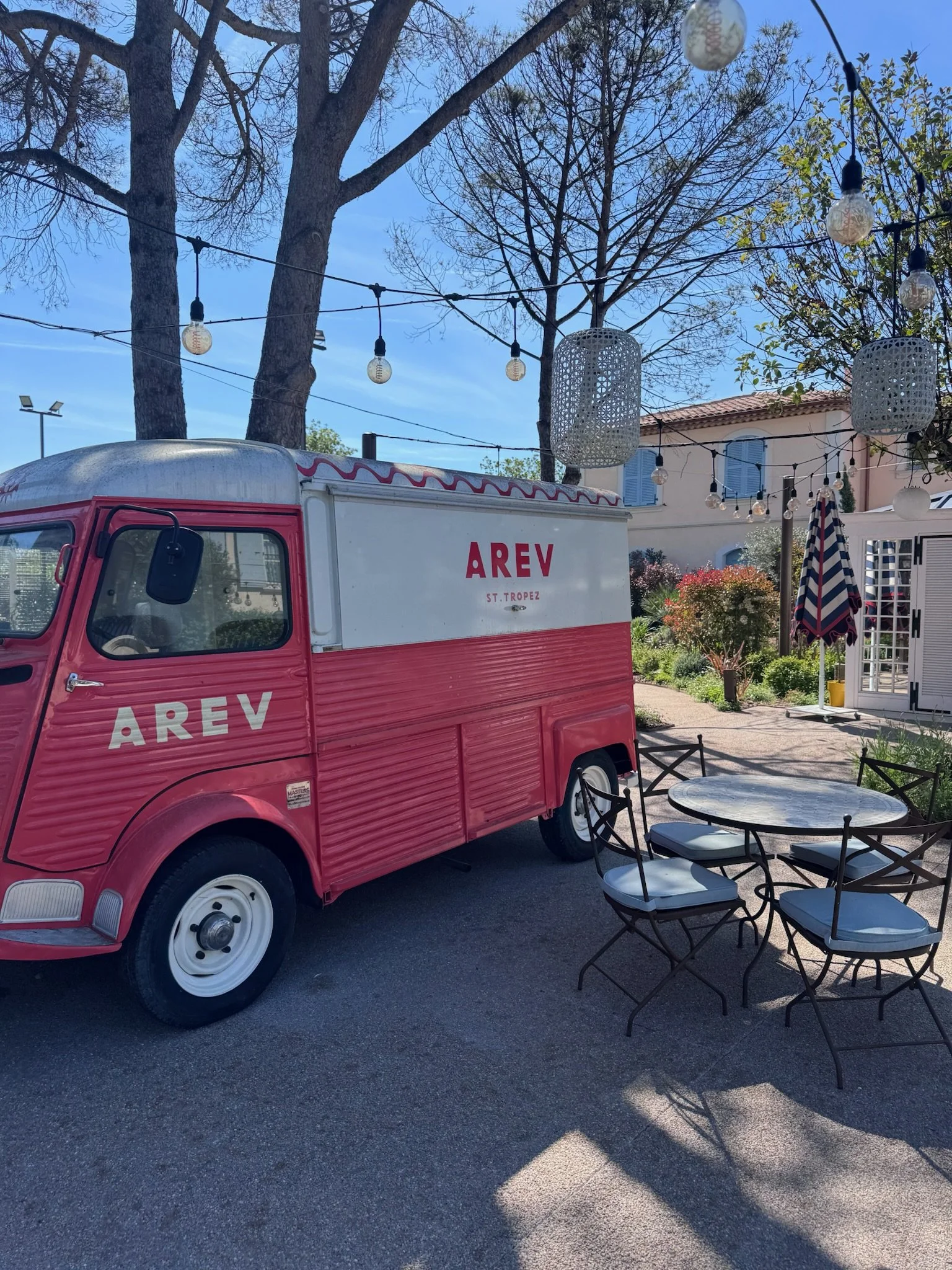
AREV Saint-Tropez
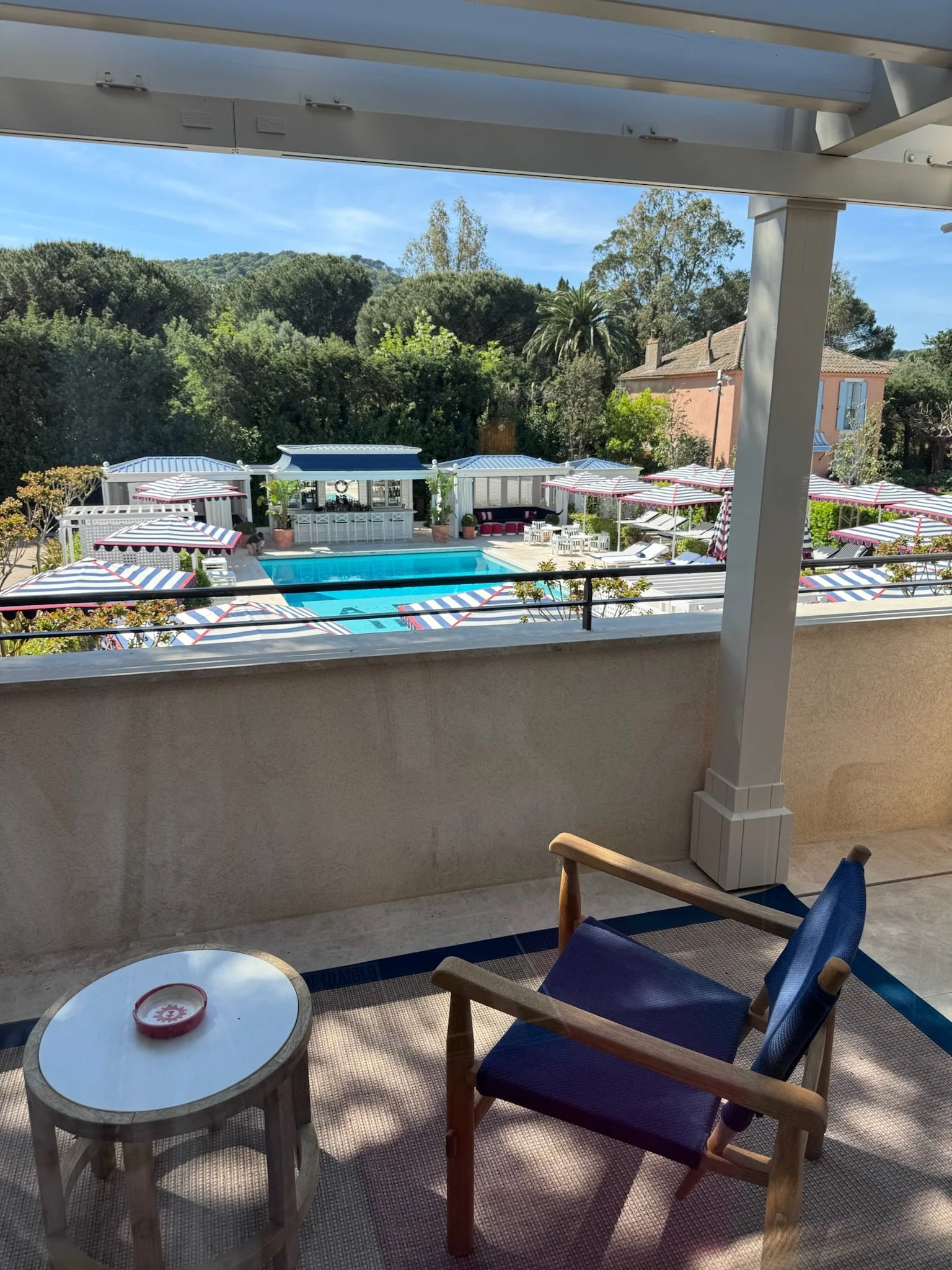
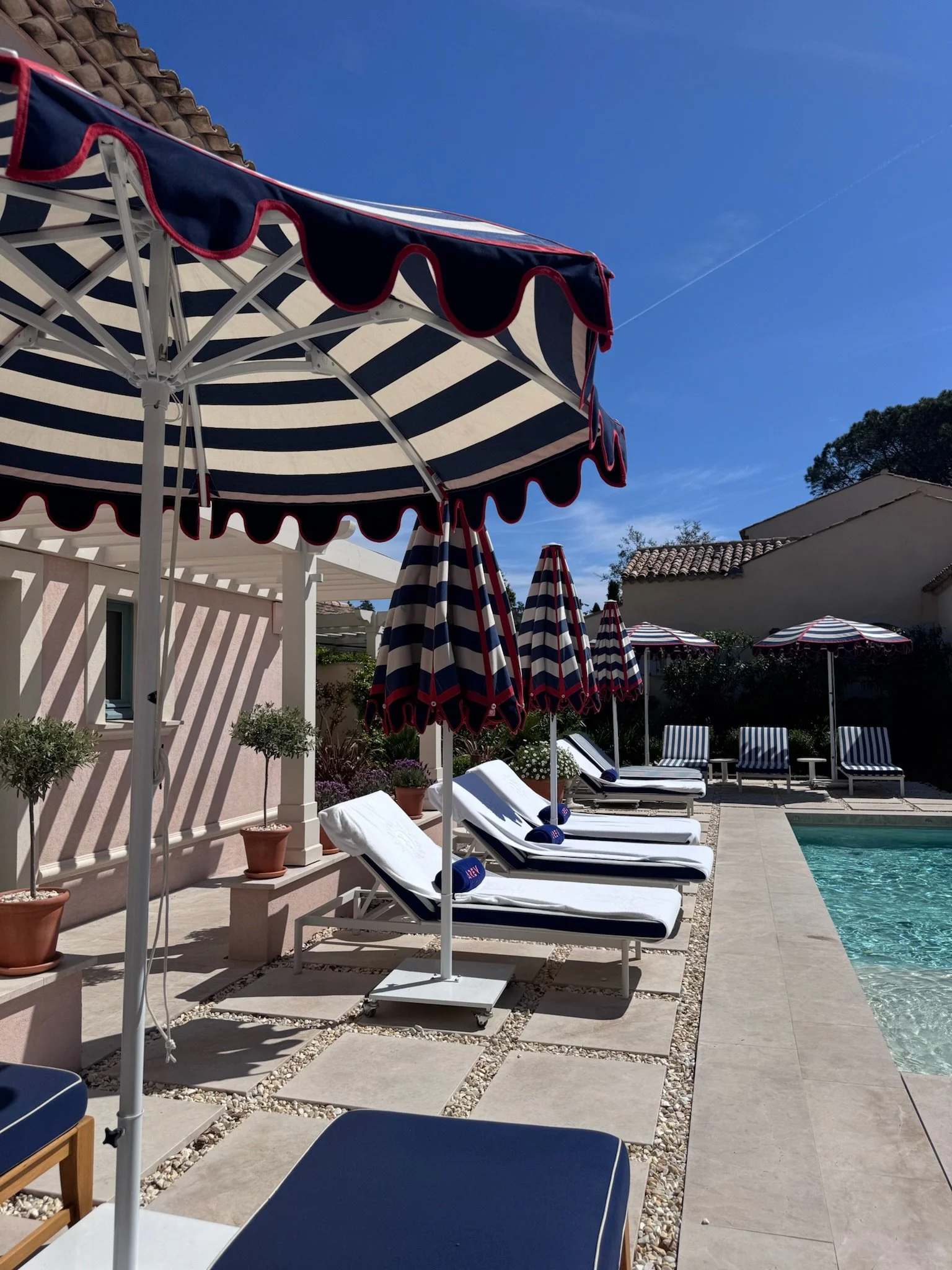
AREV feels like a newer, more under-the-radar option that brings something fresh to the area. The design is modern and intentional, with a style that feels current without being overdone. It’s a great fit for those looking for something a little more low-key but still elevated—an option that feels stylish and well-executed without being overly traditional.
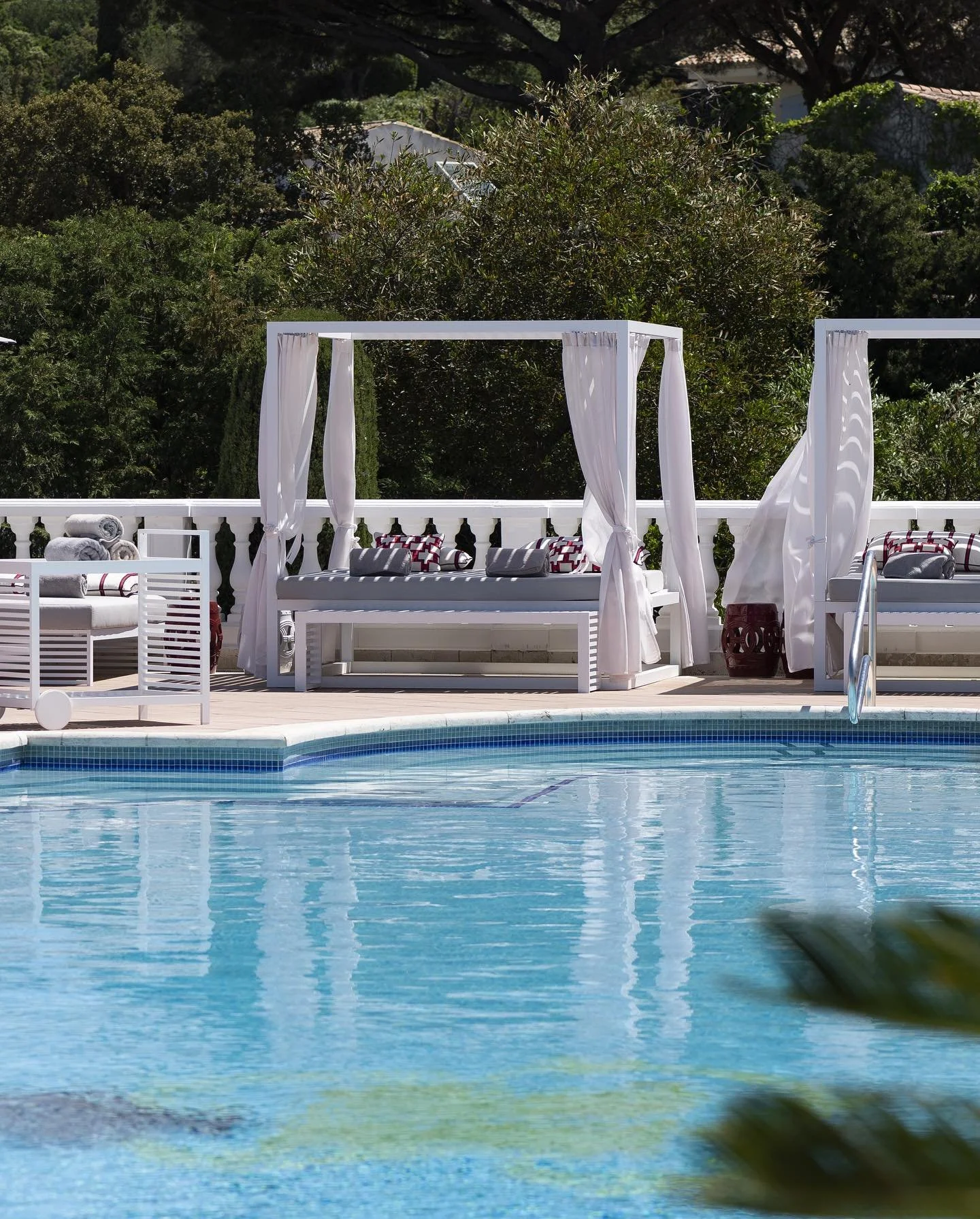
Cheval Blanc Saint-Tropez
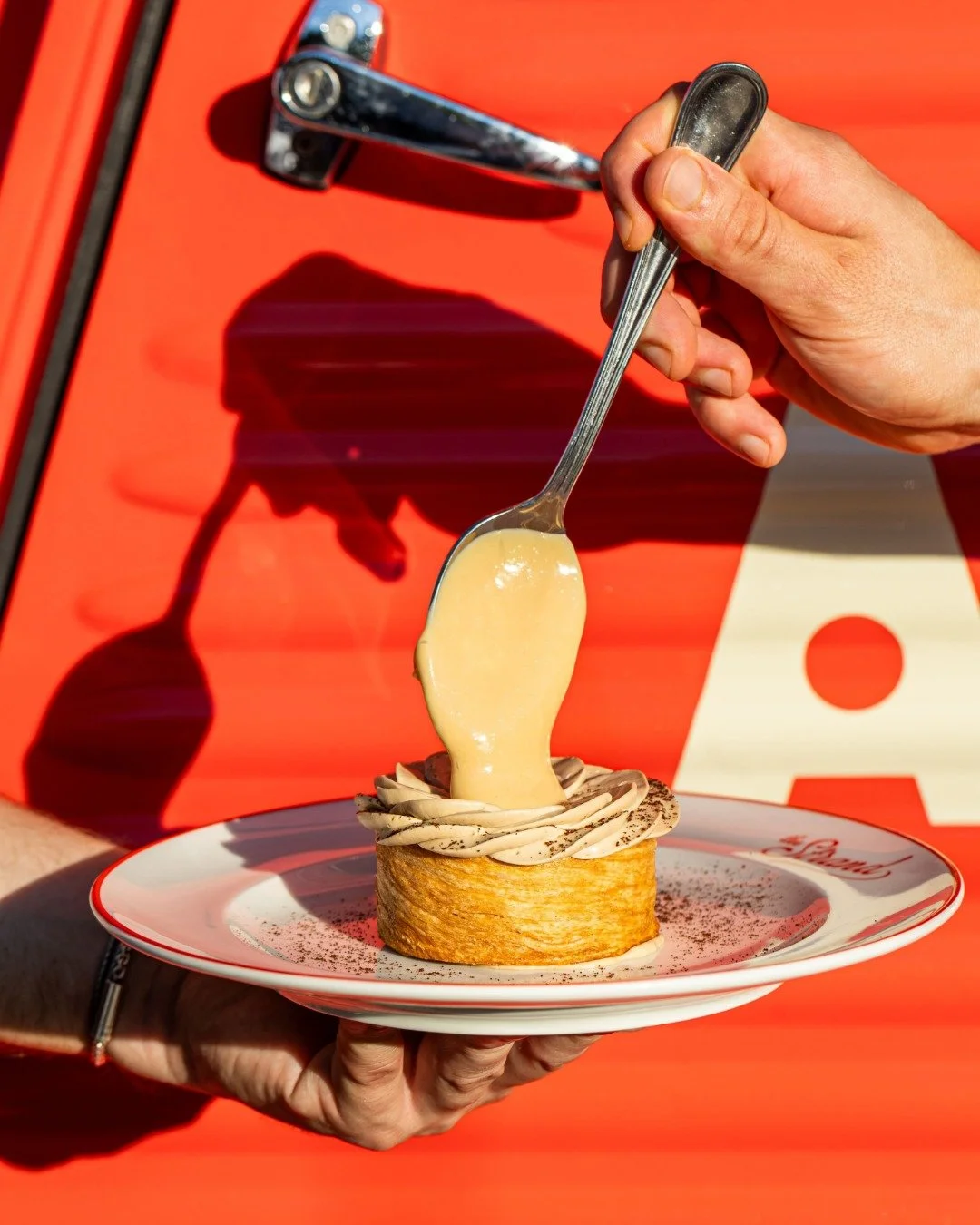
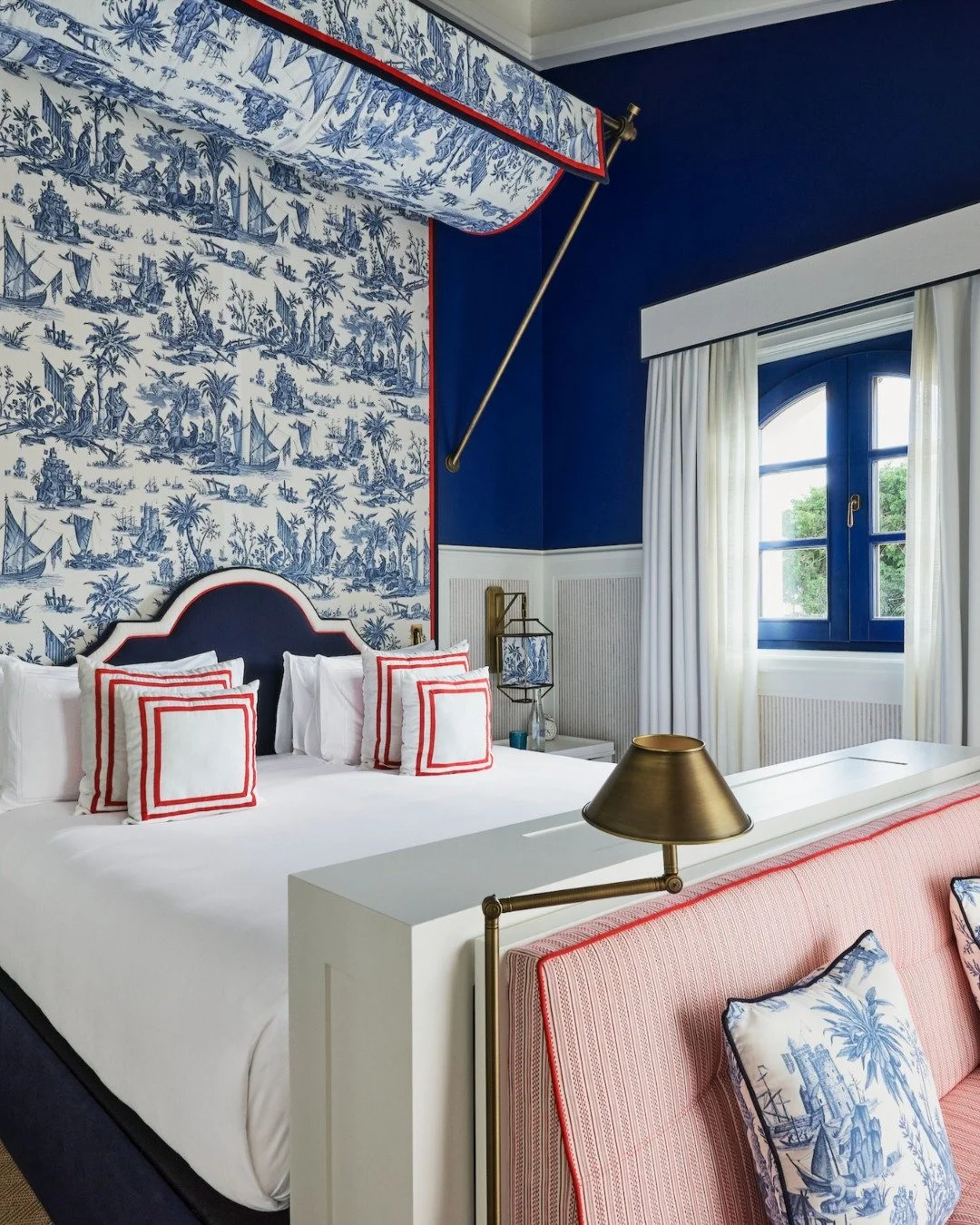
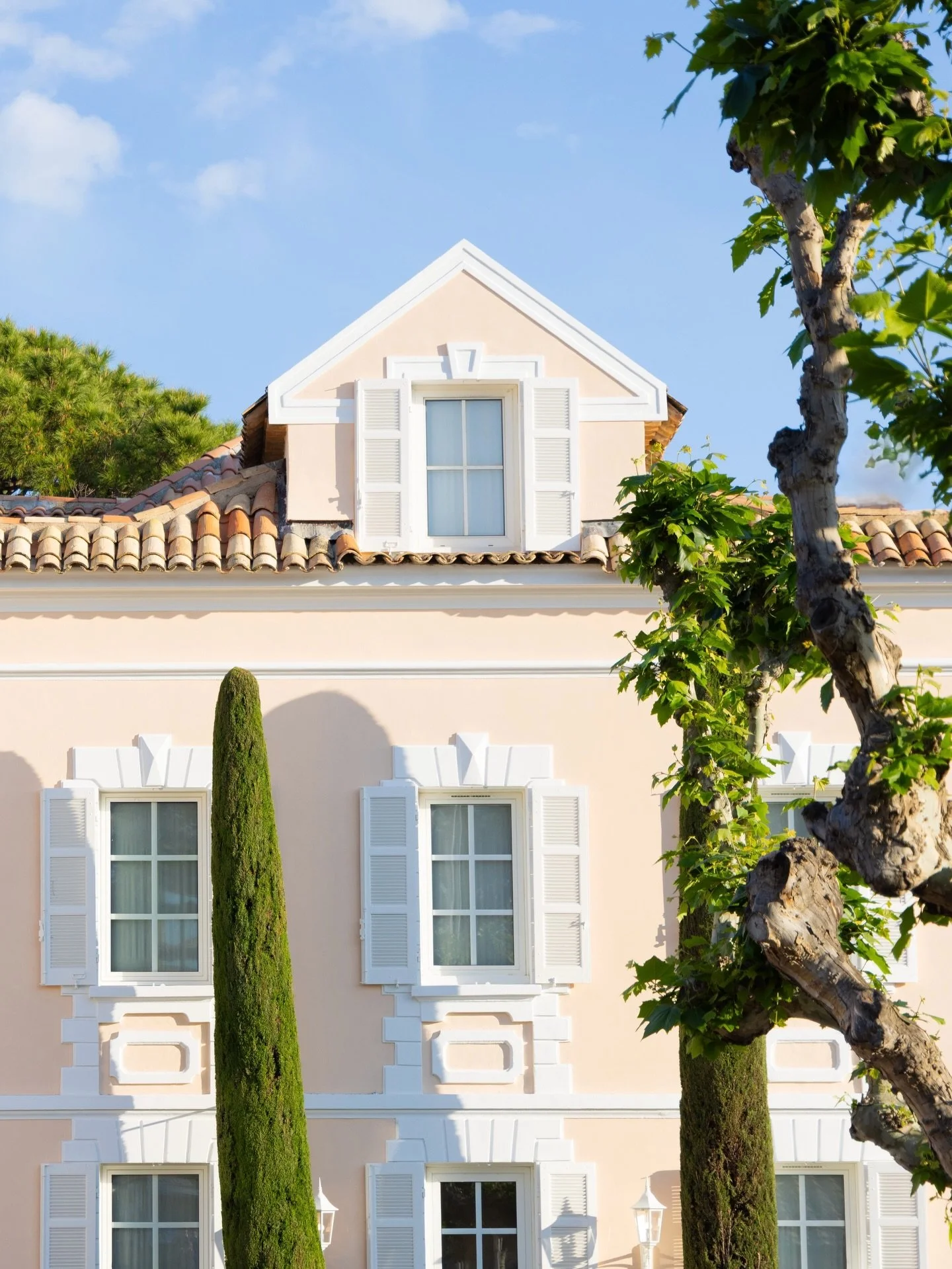
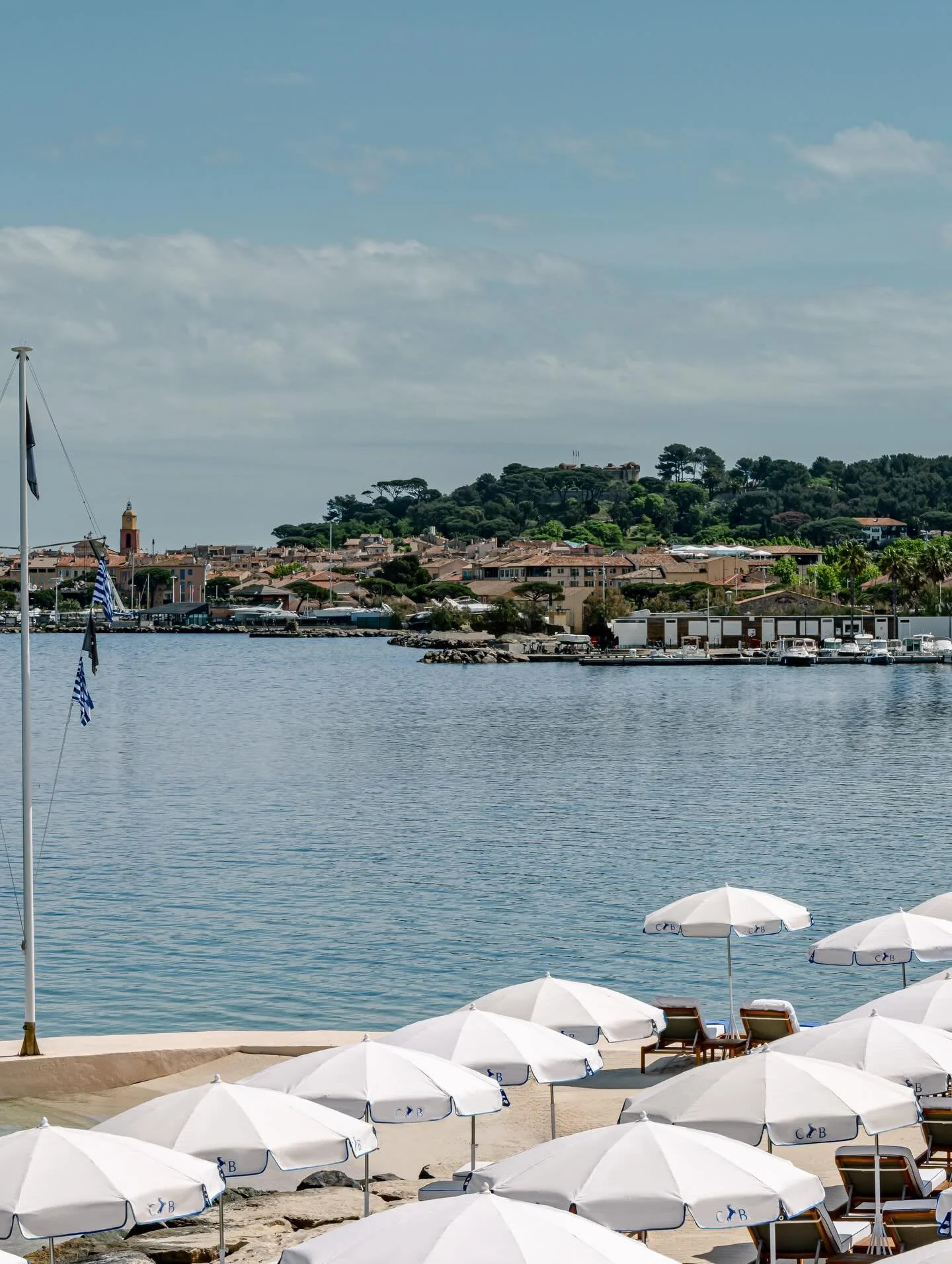
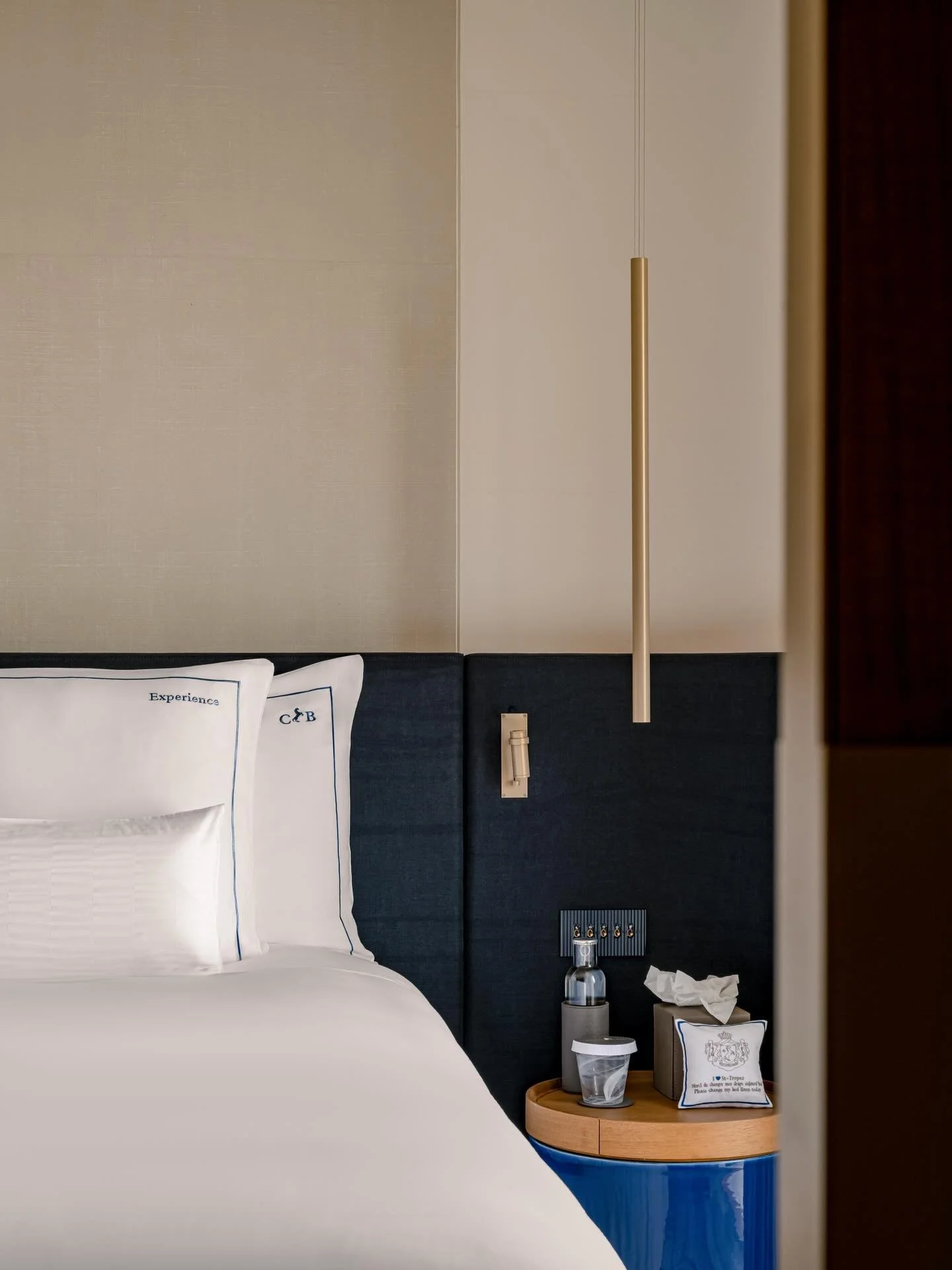
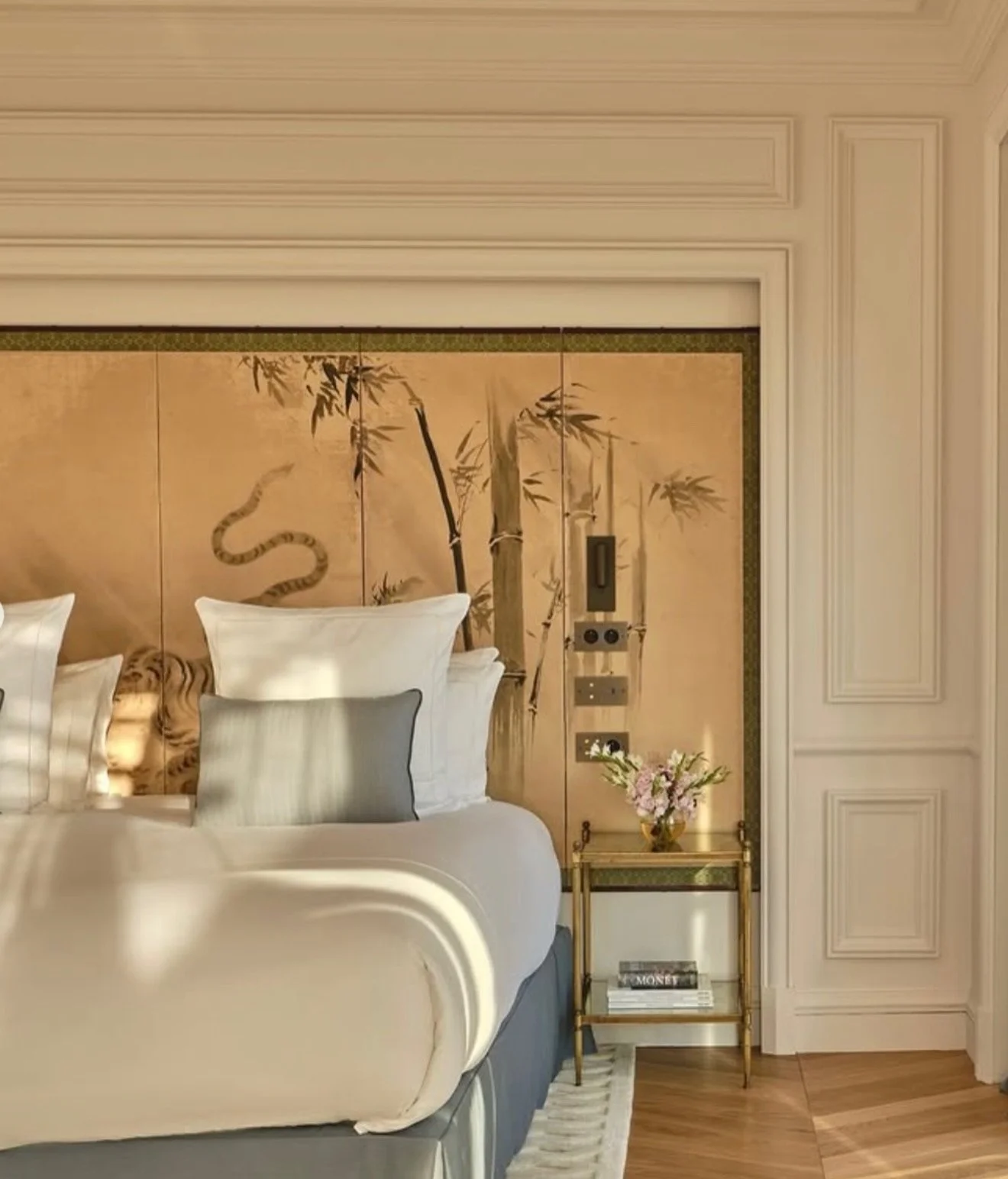
Cheval Blanc offers a more refined, design-forward experience that feels elevated in every detail. The property is intimate and highly curated, with a strong sense of identity throughout.
It’s one of the most sought-after stays in Saint-Tropez for a reason—perfect for those who want a more exclusive, high-end experience that still feels connected to the energy of the Riviera.
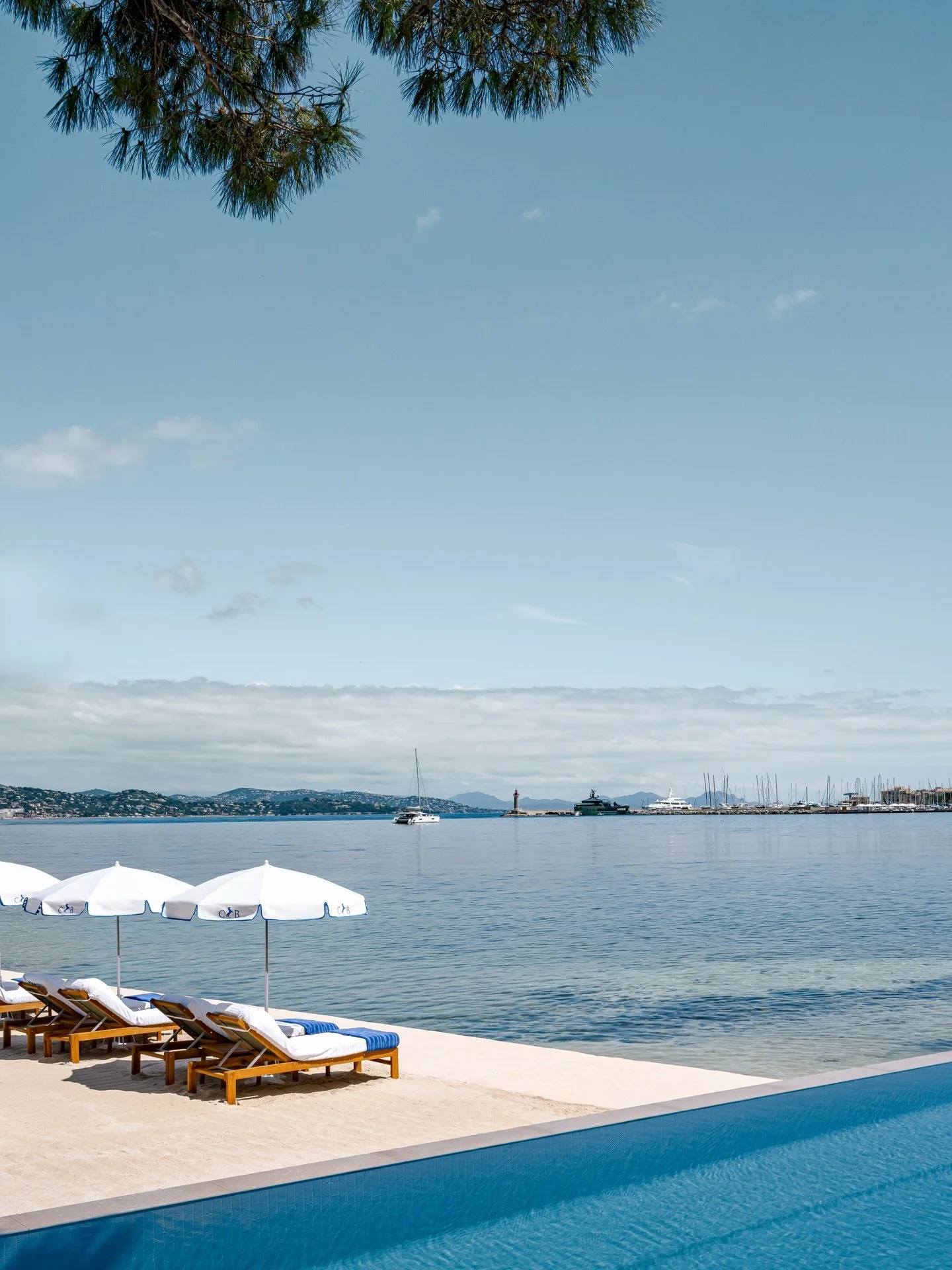
Althoff Villa Belrose
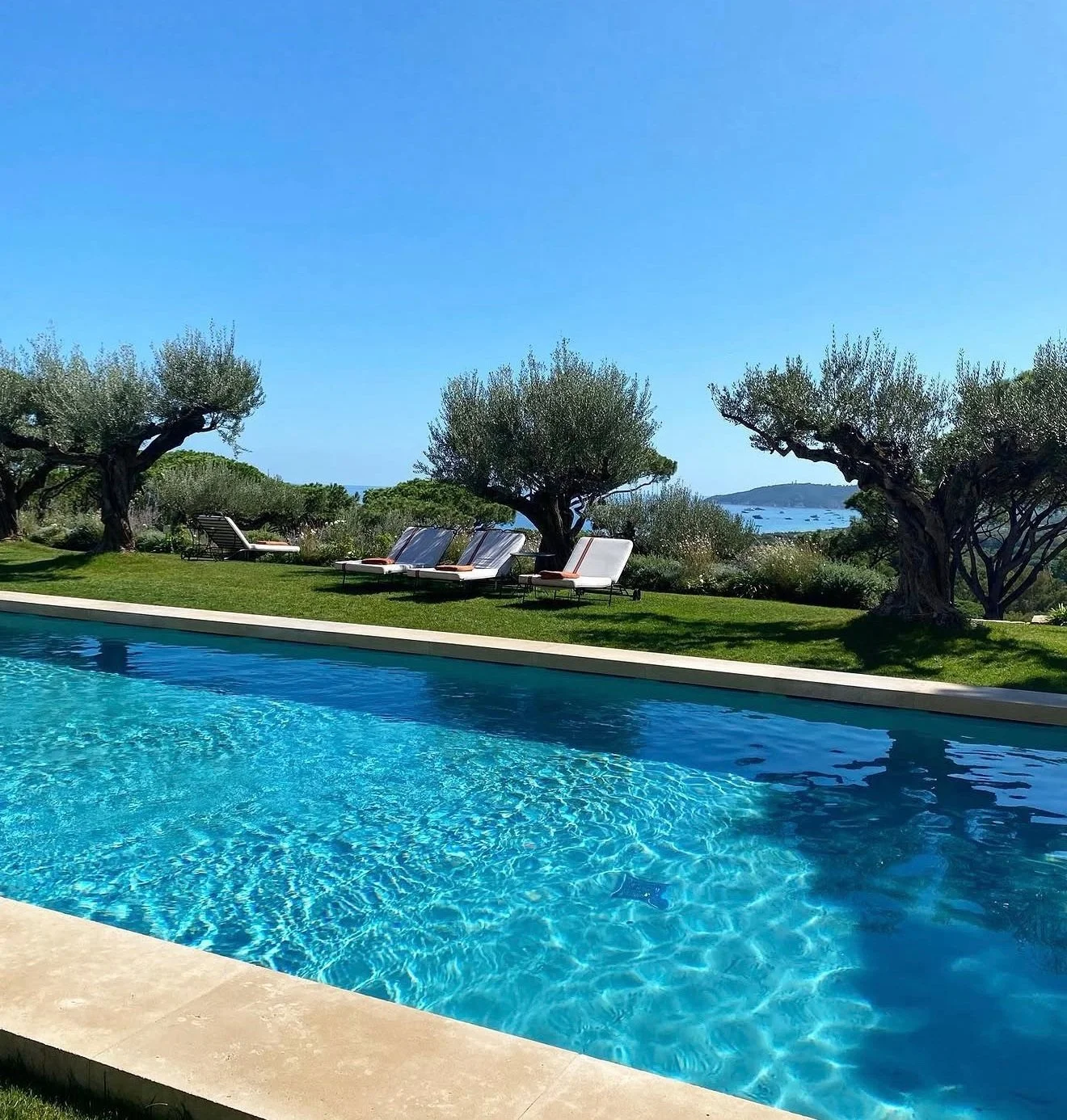
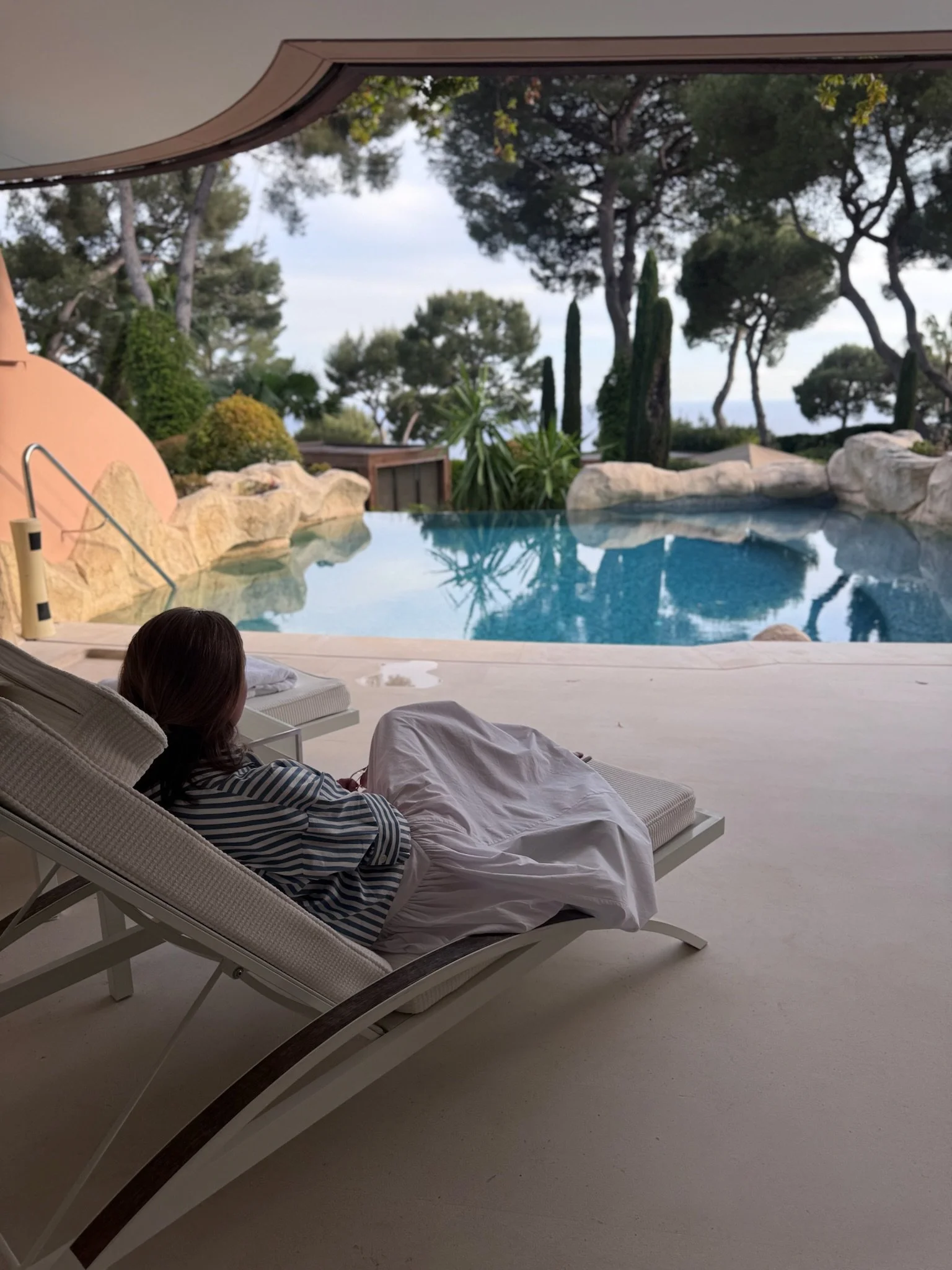
Perched above the coastline, Villa Belrose is defined by its views. The setting feels slightly removed from the center of Saint-Tropez, which creates a quieter, more relaxed atmosphere.
Looking out over the water and surrounding landscape is a big part of the experience here. It’s a beautiful option for those who want a bit more space and perspective while still being close enough to enjoy everything Saint-Tropez has to offer.
What to Do
Saint-Tropez Shopping
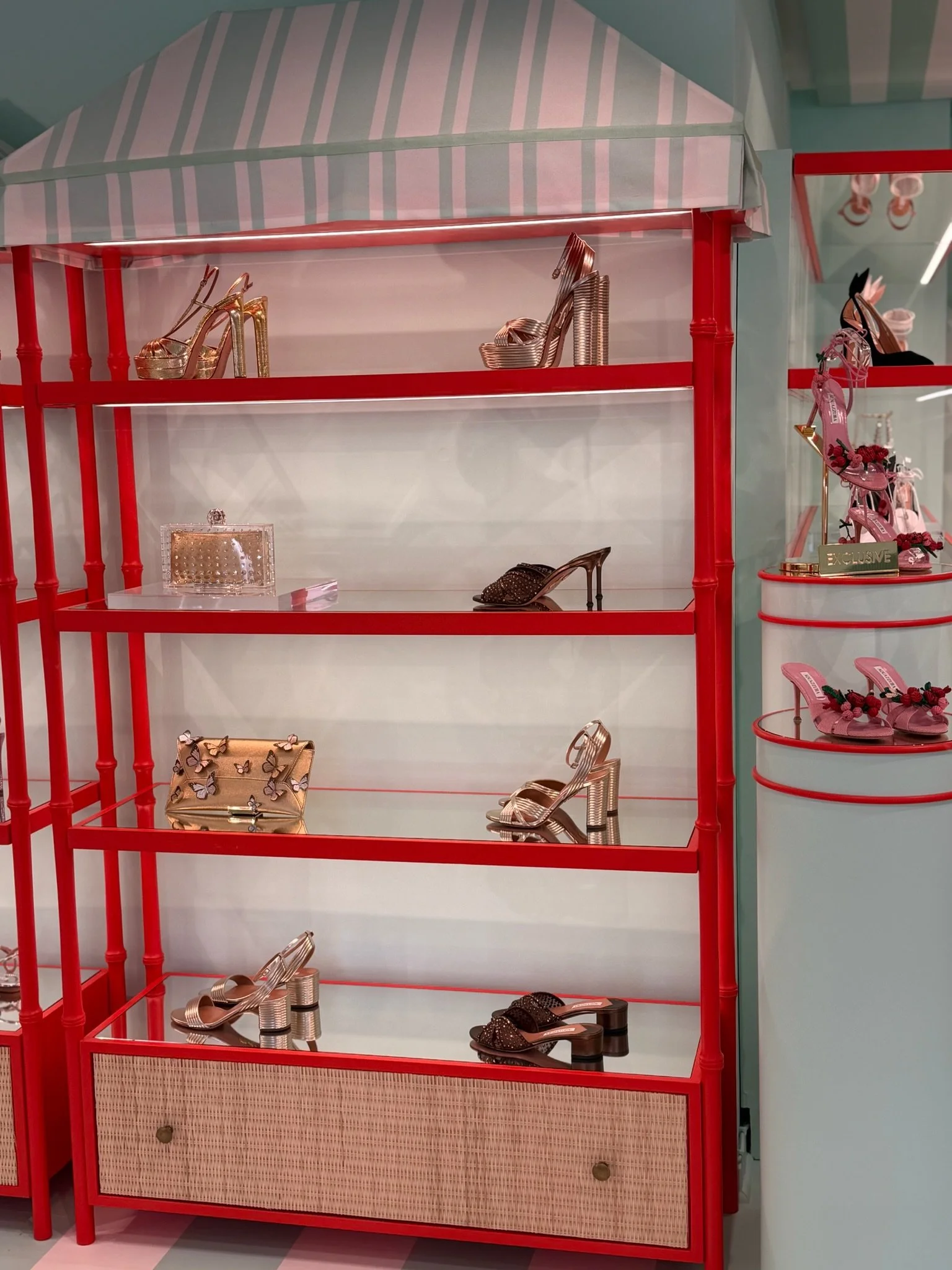
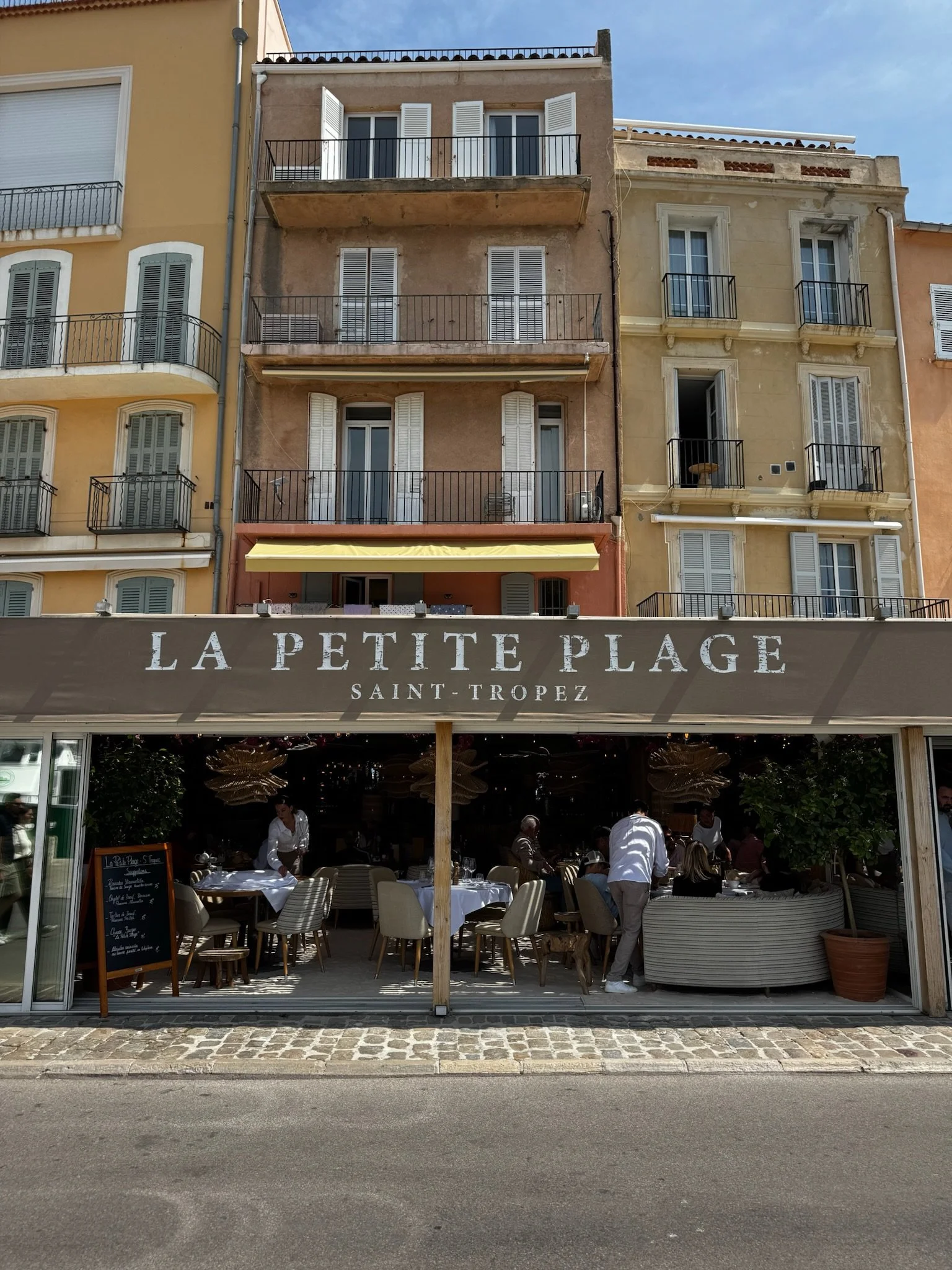
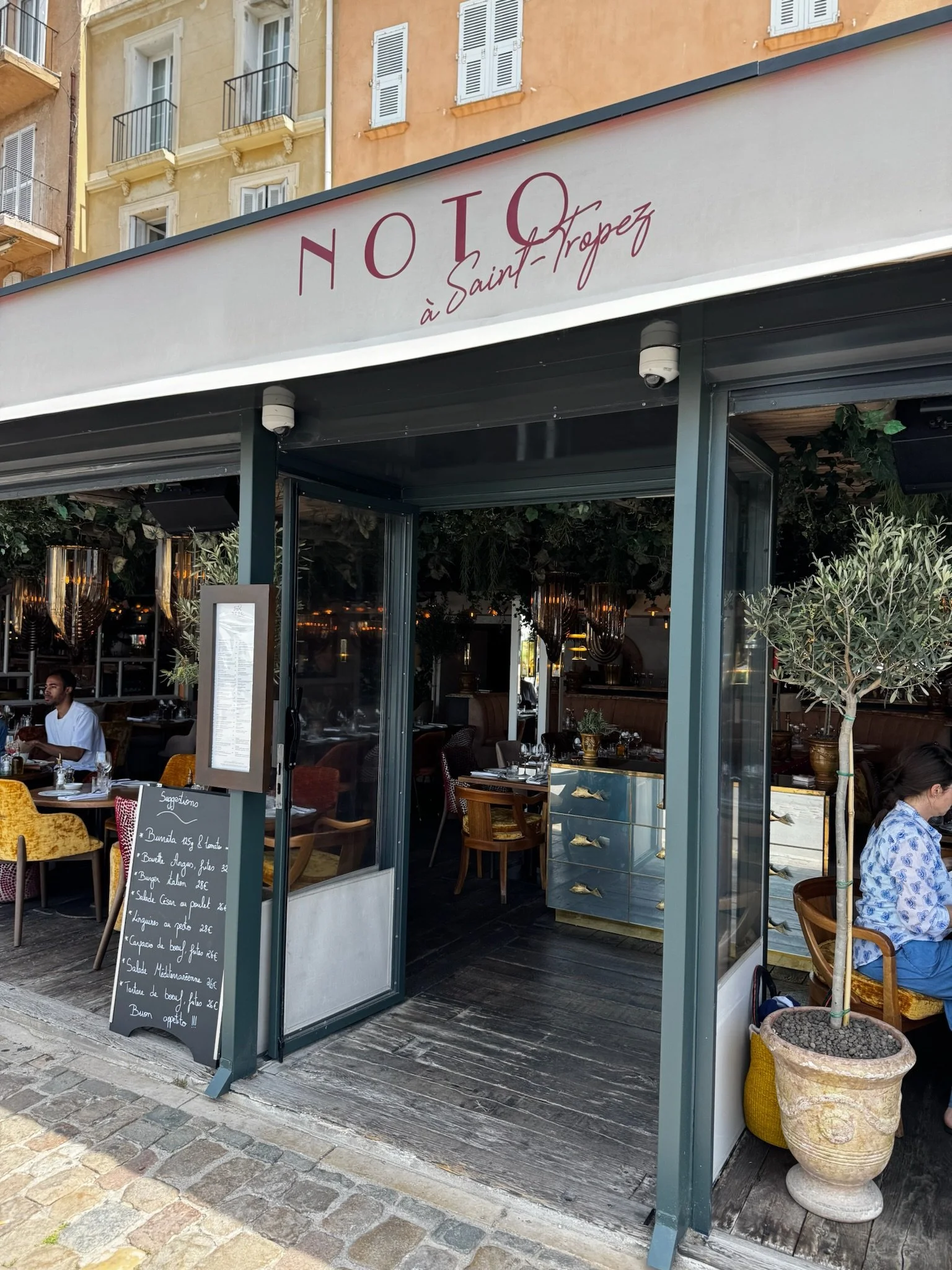
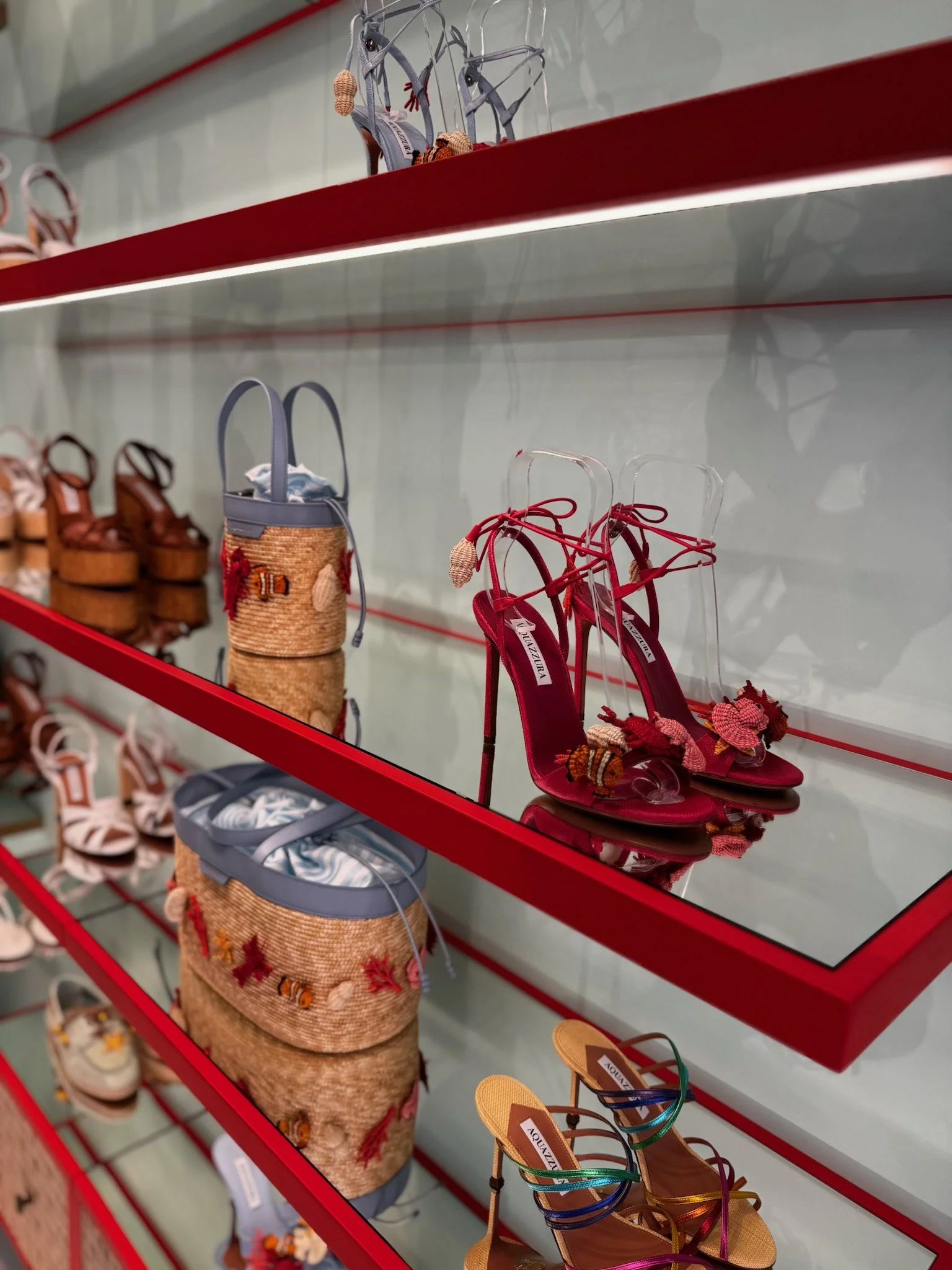
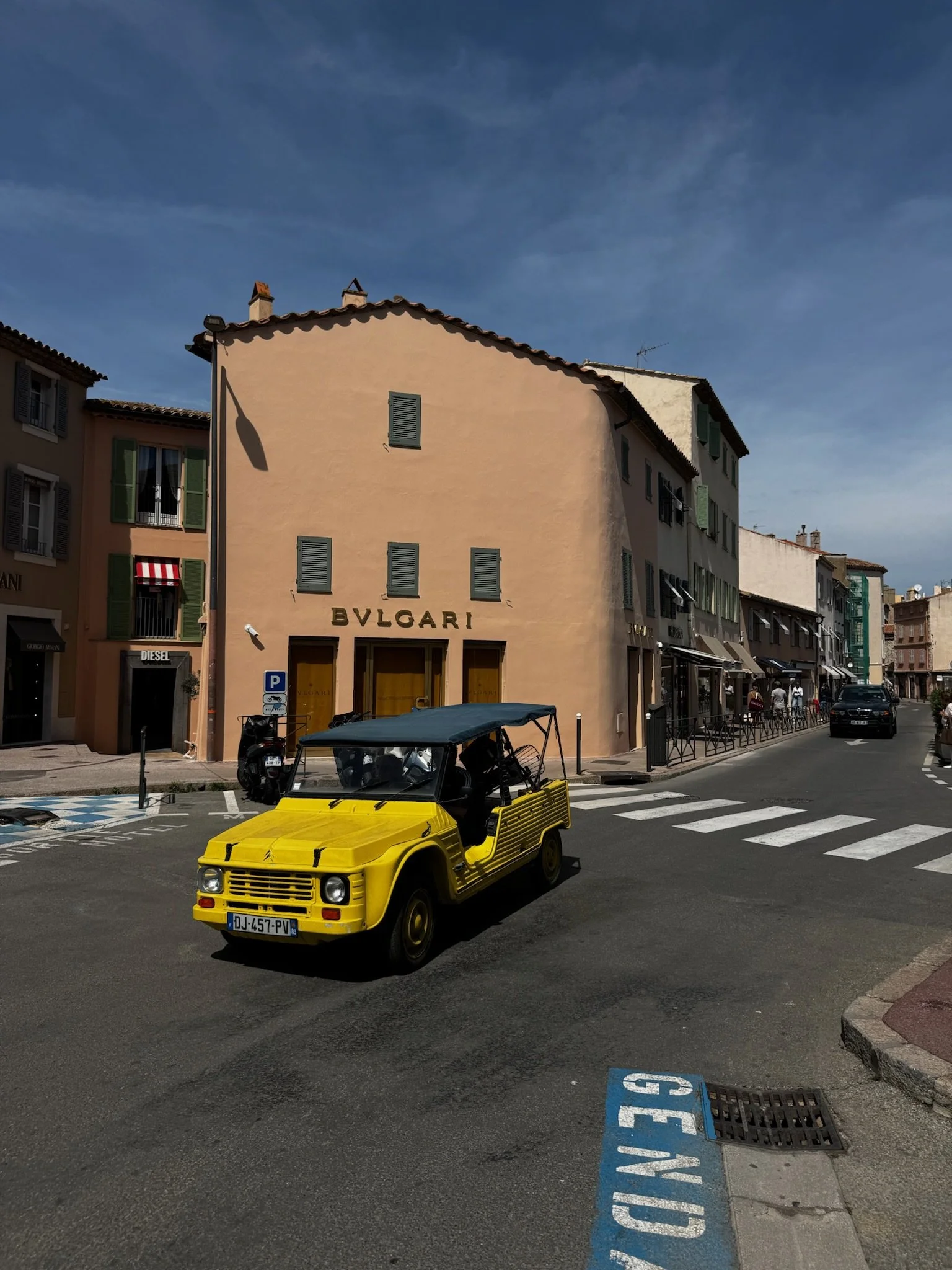
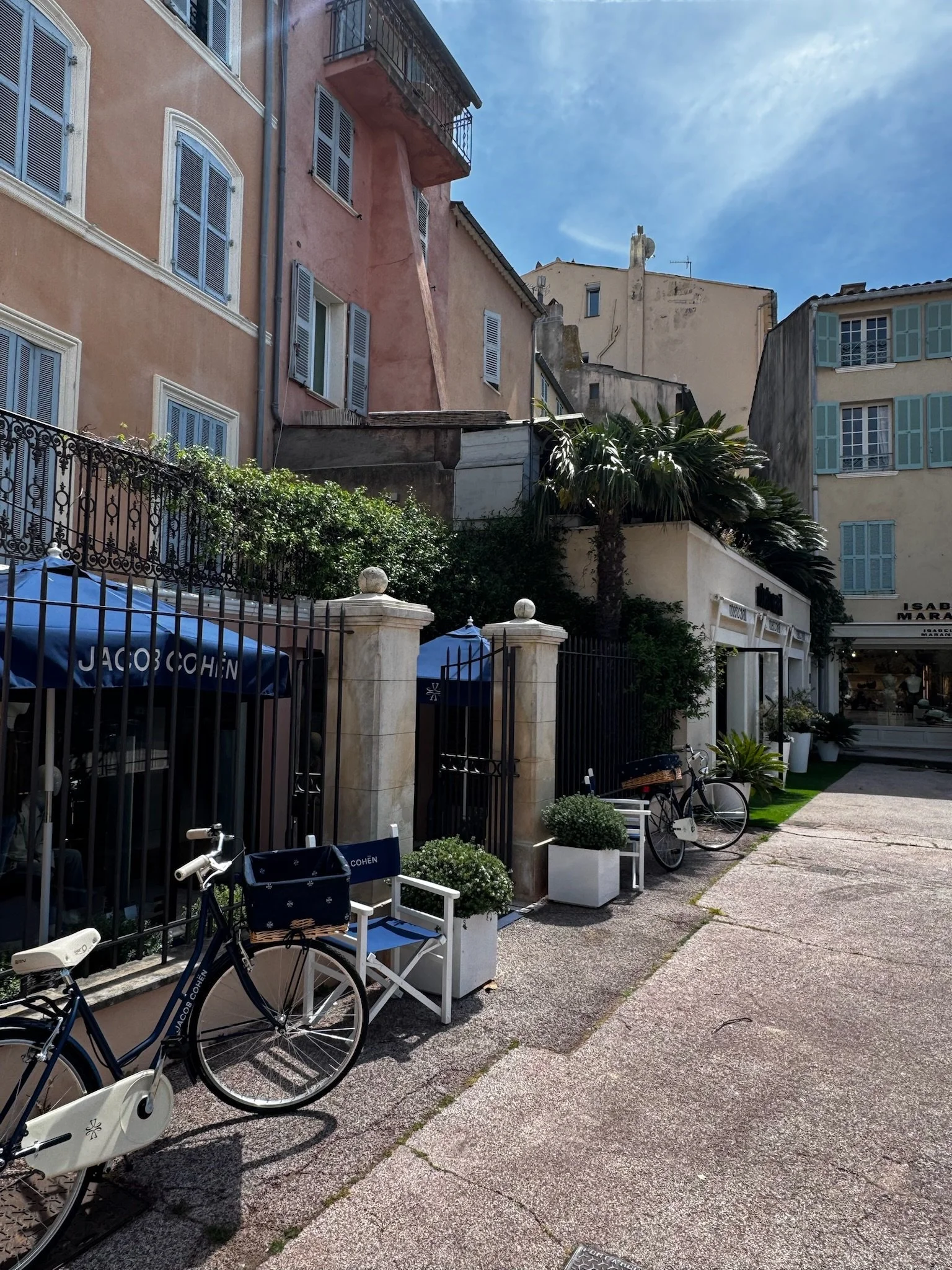
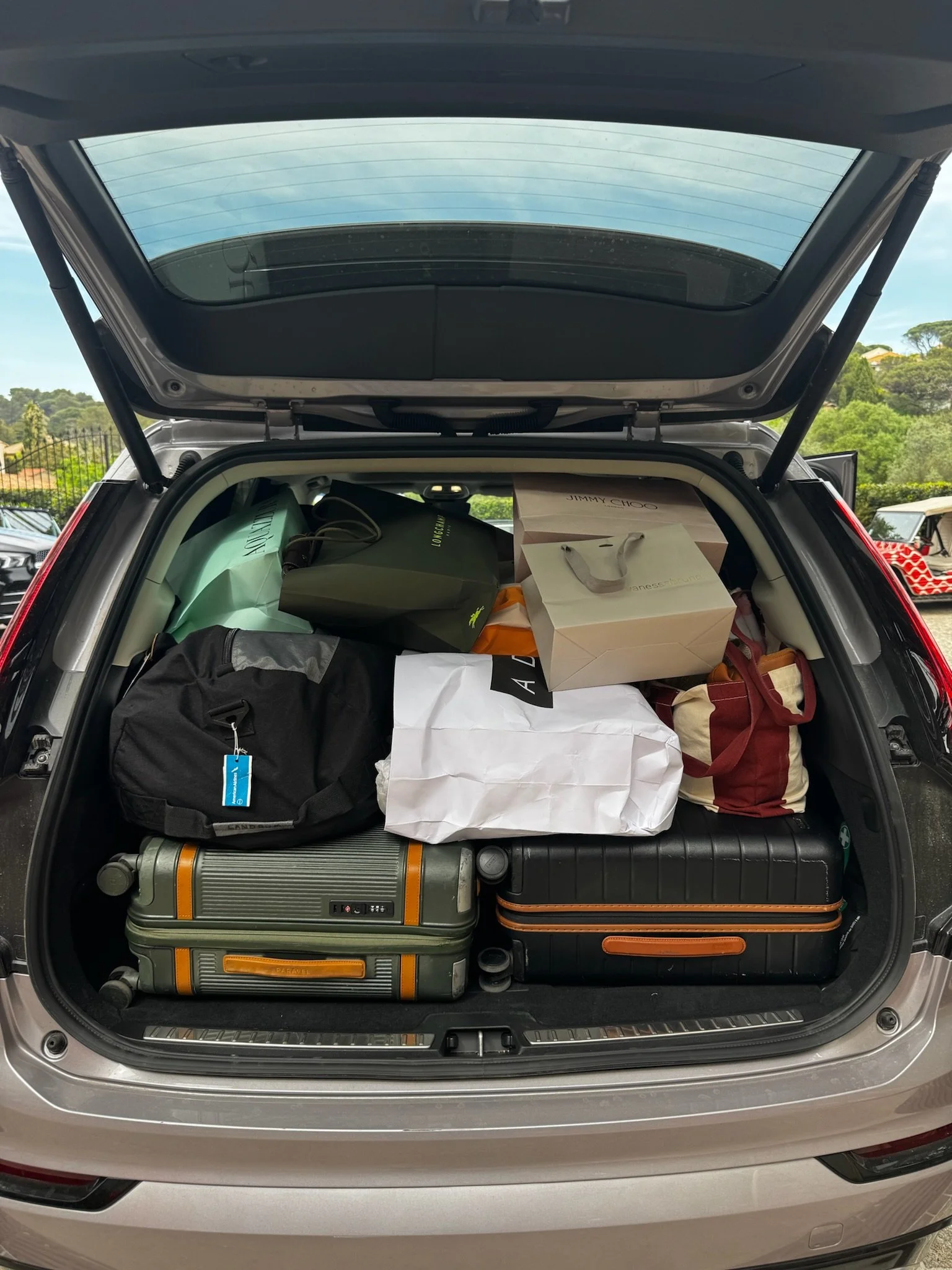
I spent time walking through the town center, where the shopping is a mix of designer storefronts and smaller, more curated boutiques. It’s easy to wander without a plan and still come across pieces that feel unique to the area.
Ramatuelle
Just outside of Saint-Tropez, Ramatuelle offers a completely different pace. Surrounded by vineyards and set slightly inland, it feels quieter and more relaxed. I found it to be the perfect contrast to the energy of Saint-Tropez—and worth intentionally building into the itinerary.
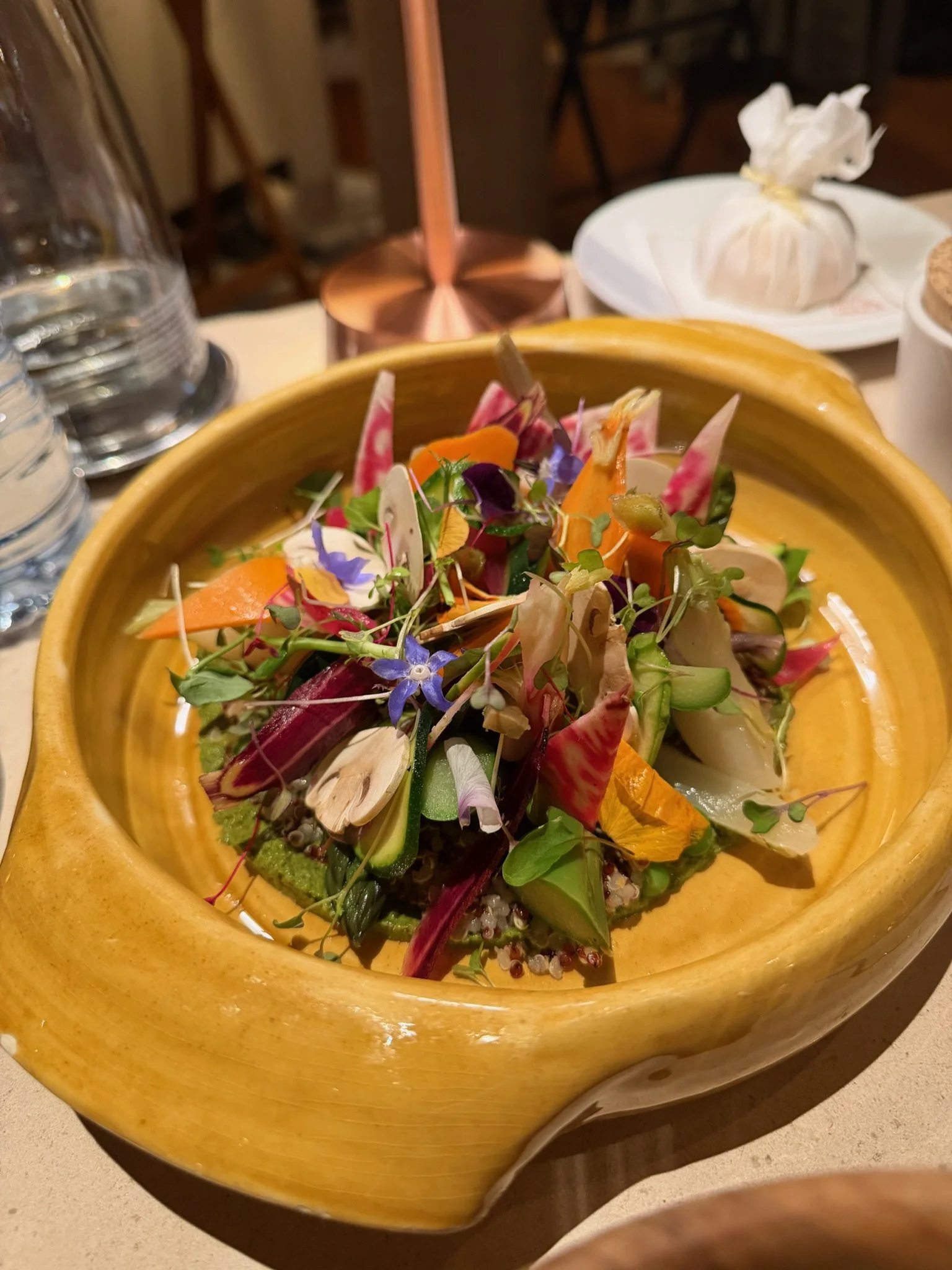
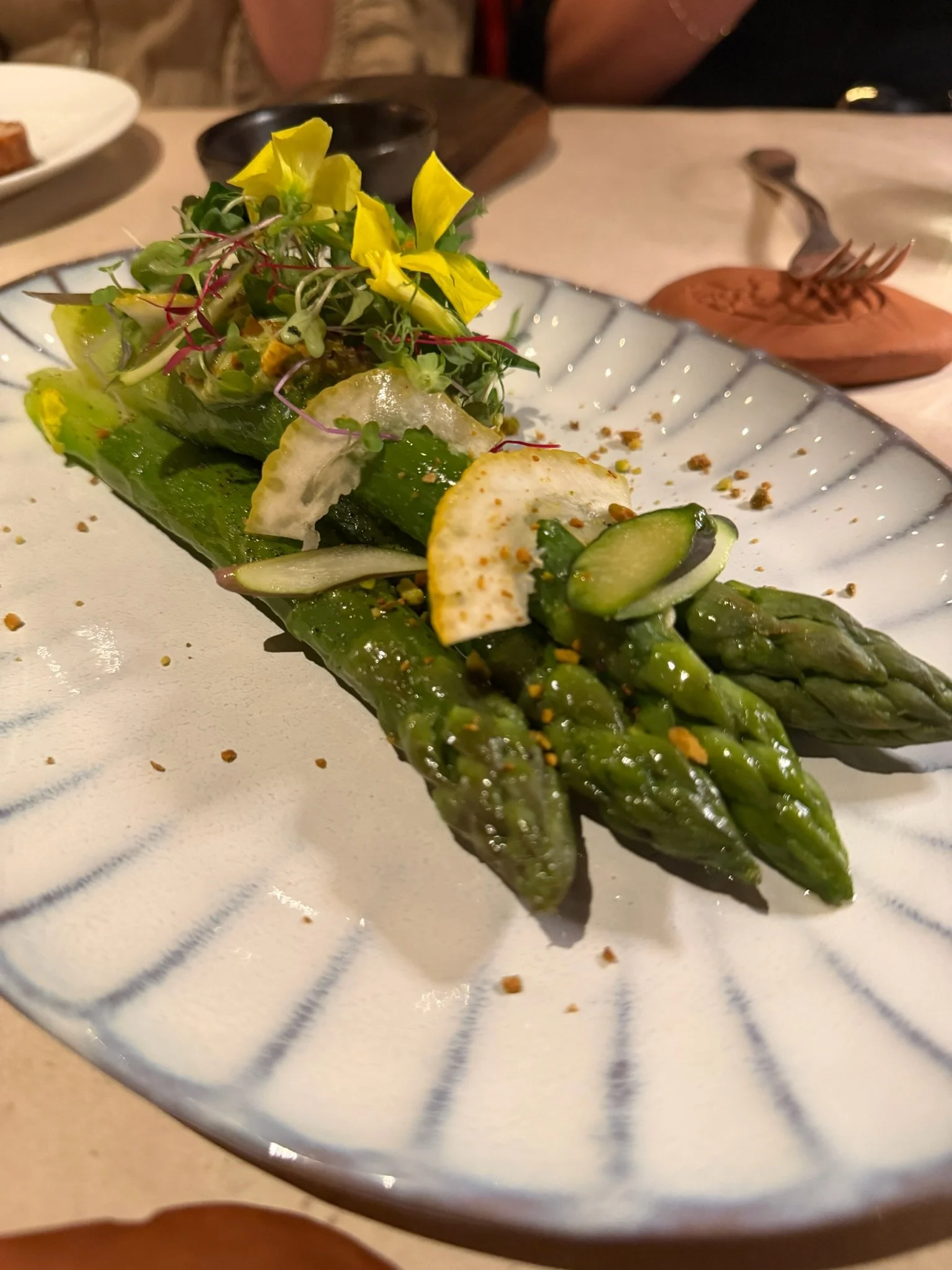
Days 9–10: The Riviera Icons
This final stretch of the trip felt like a natural culmination—where everything becomes a bit more iconic, a bit more polished, and incredibly memorable. Moving along this part of the Riviera, each stop offers something distinct, but together they create a well-rounded, elevated finish to the itinerary.
There’s a balance here between staying somewhere you never want to leave and exploring just enough to experience the character of the surrounding towns. It’s less about covering ground and more about choosing places that feel worth your time.
My Take: I think this part of the Riviera is where the experience really comes together. The properties, the scenery, the overall ease—it all feels elevated. It’s about leaning into a few standout places and letting them define the end of the trip.
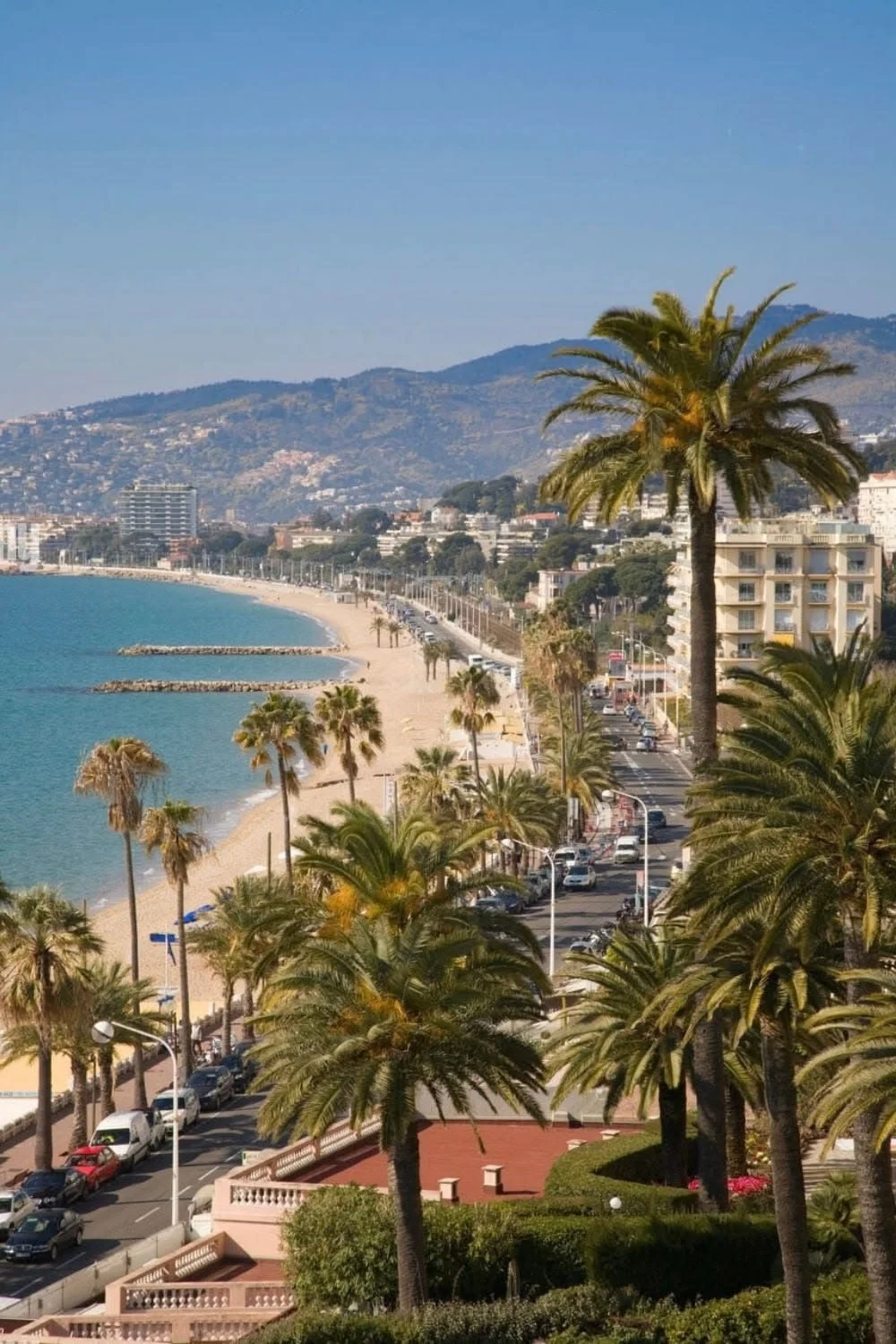
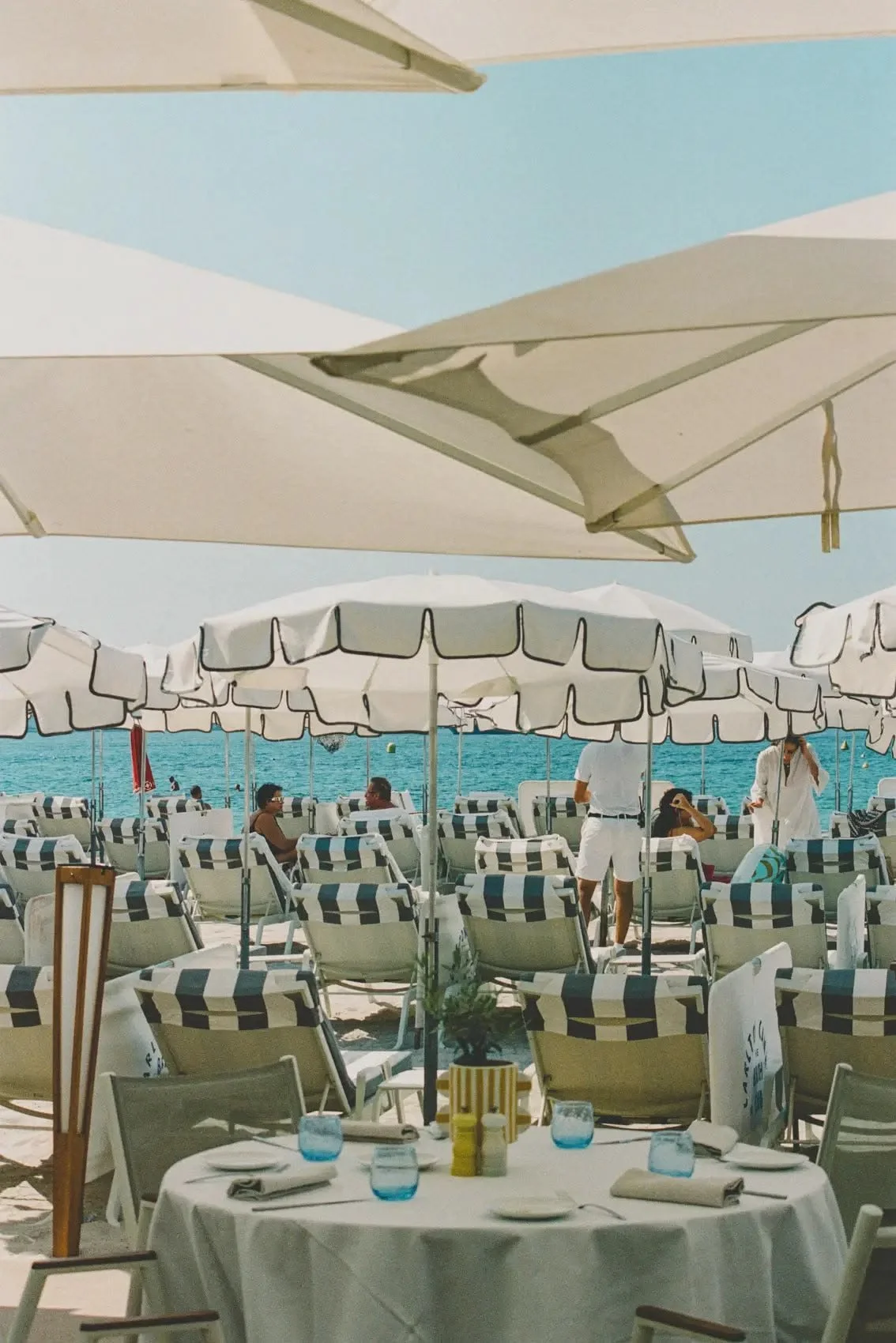
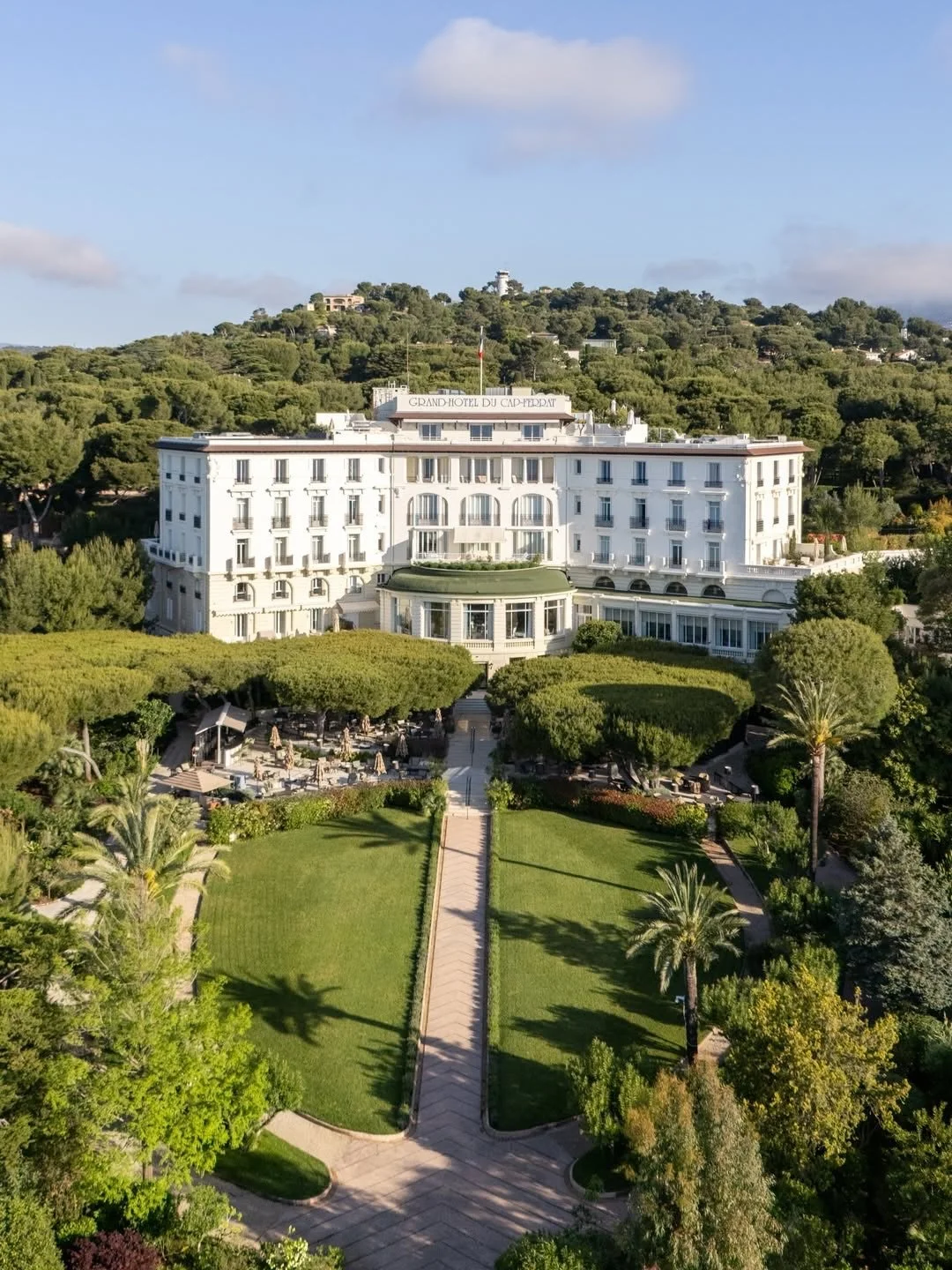
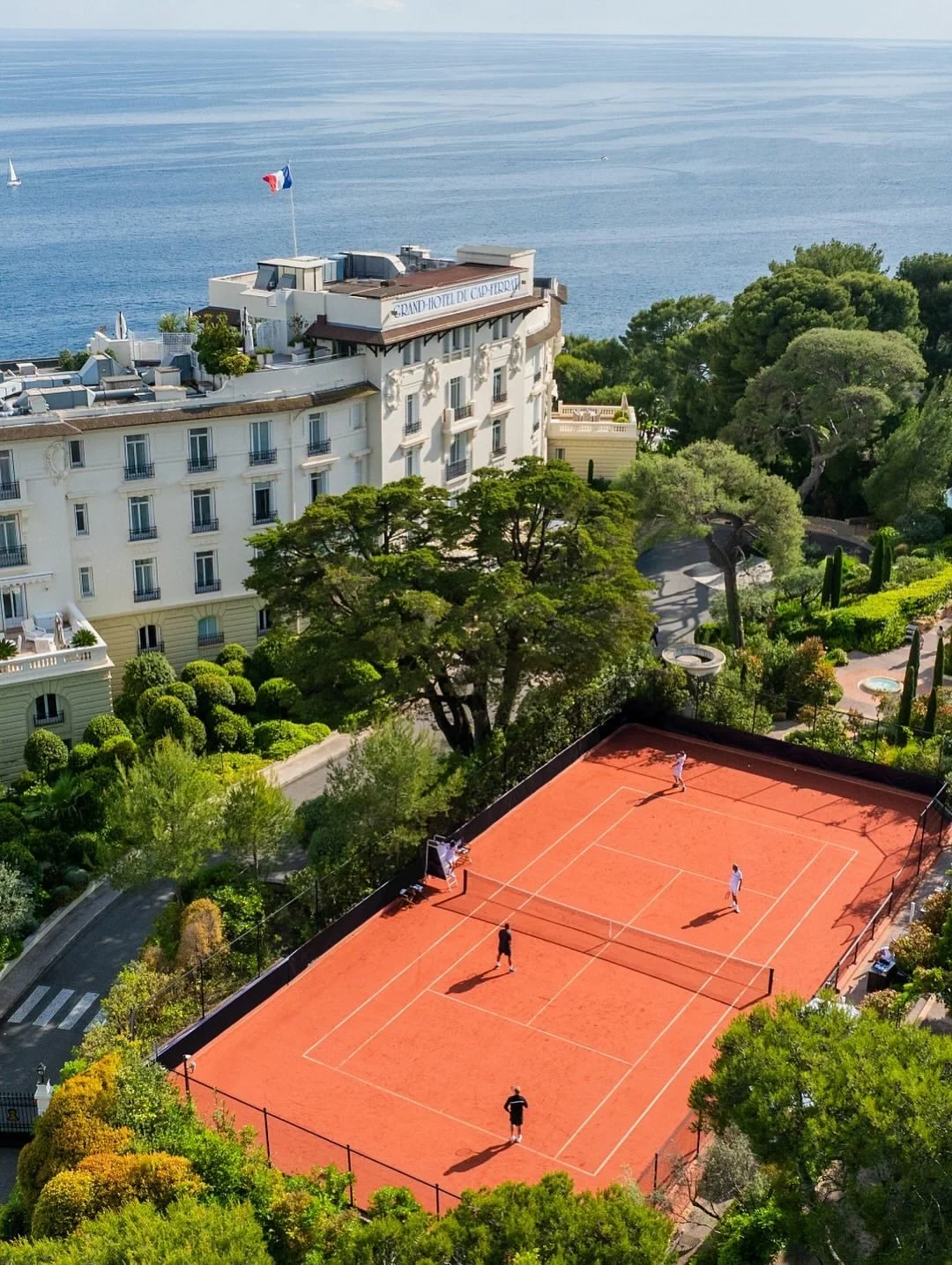
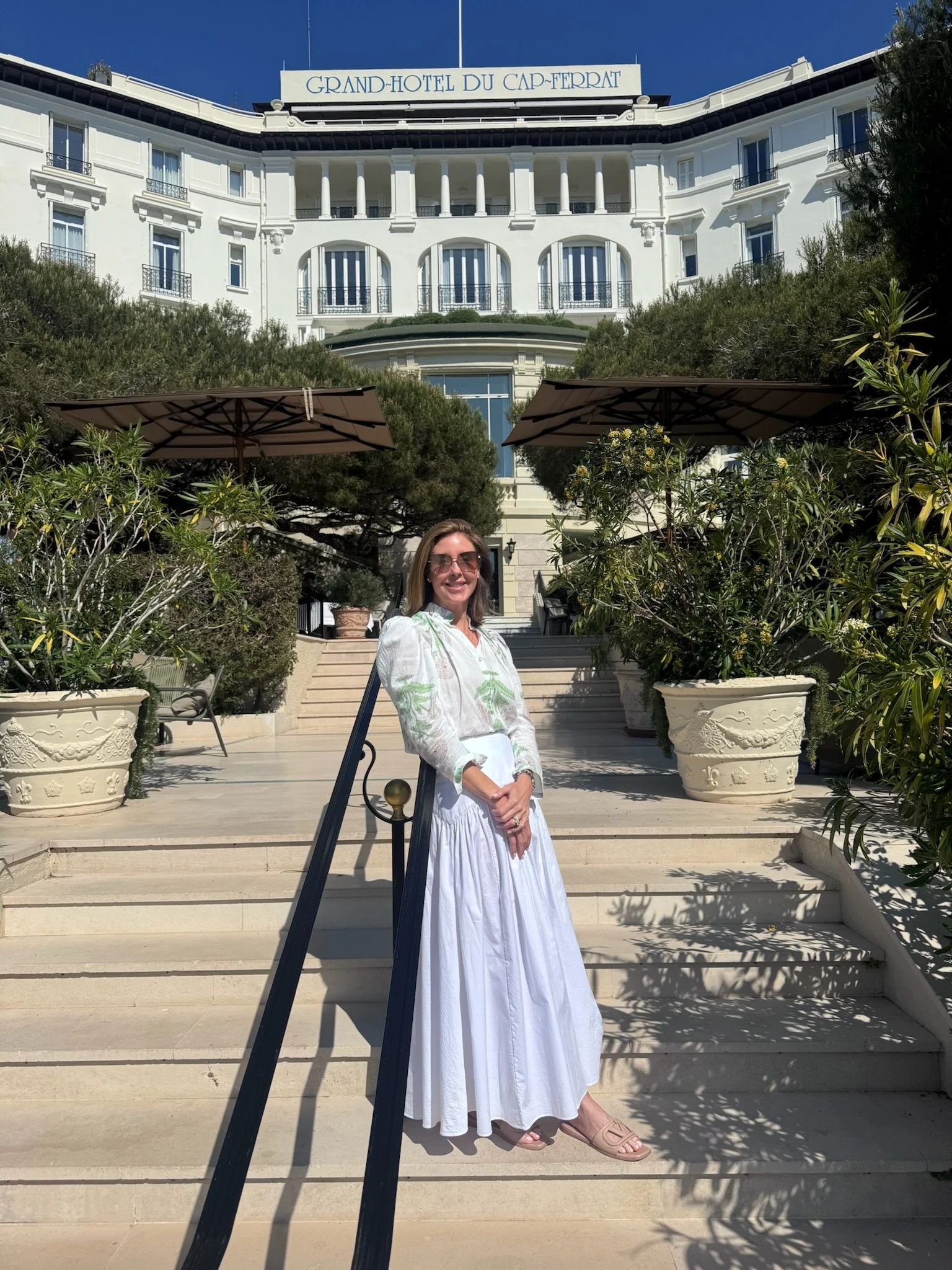
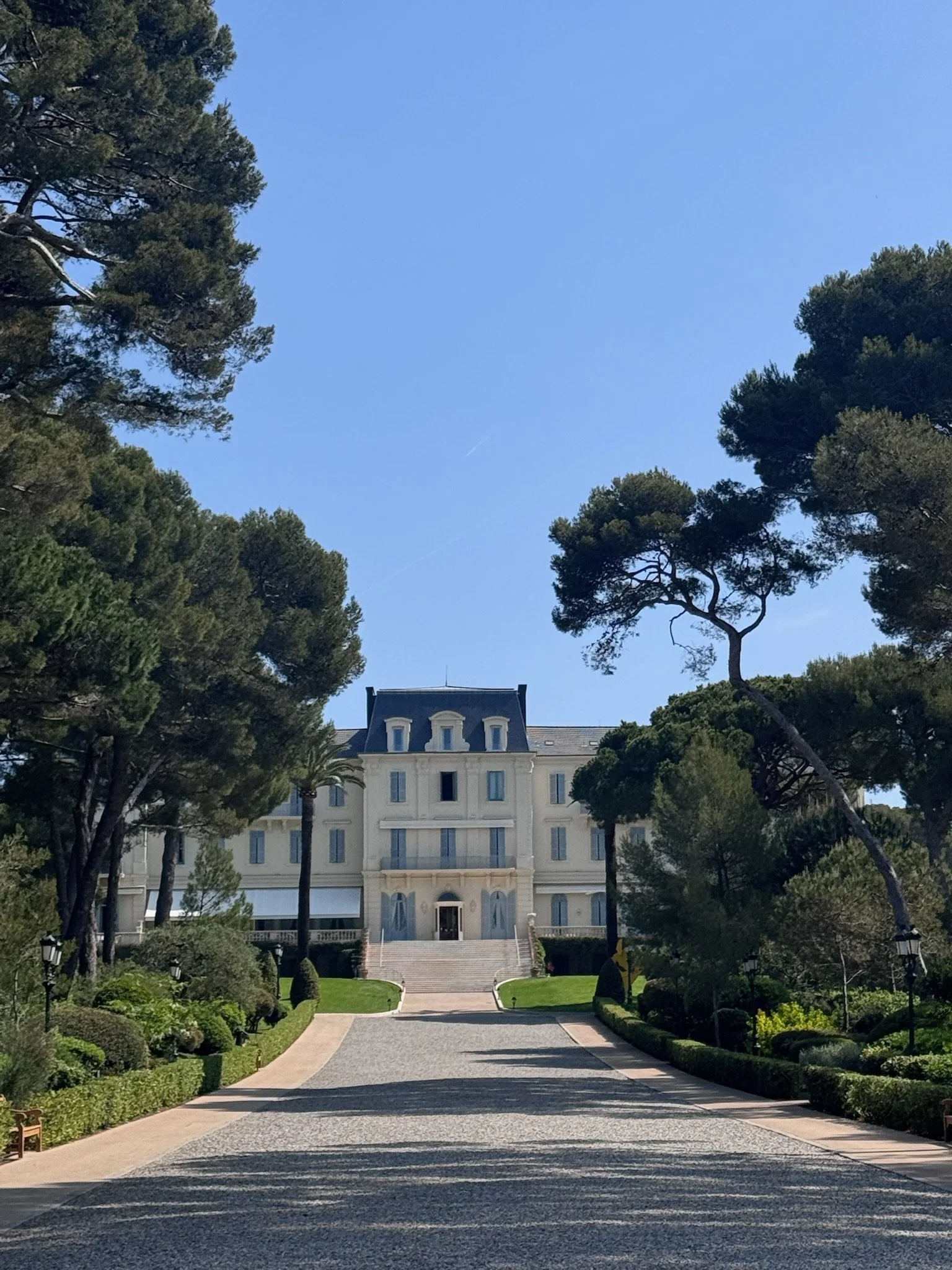
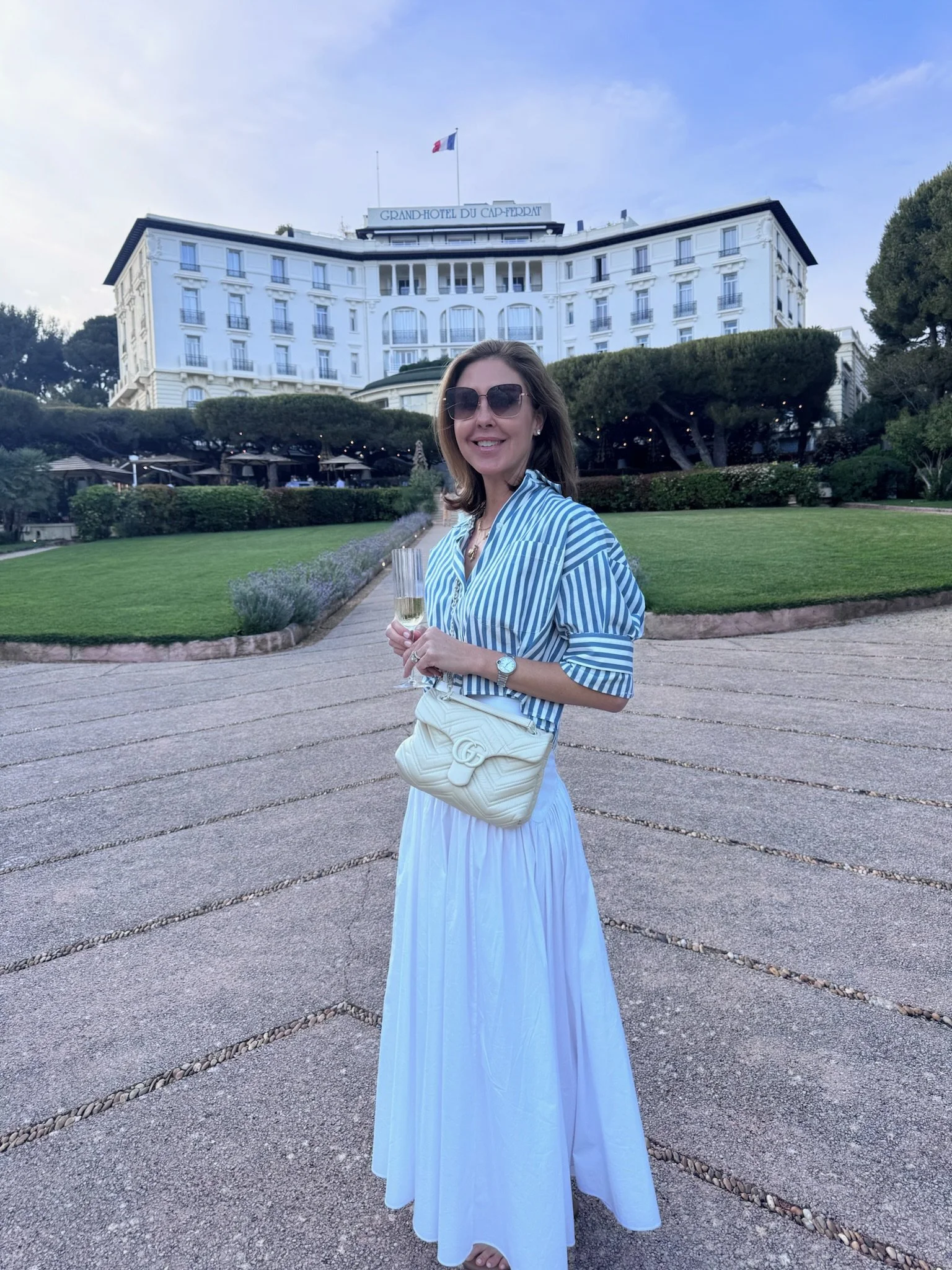
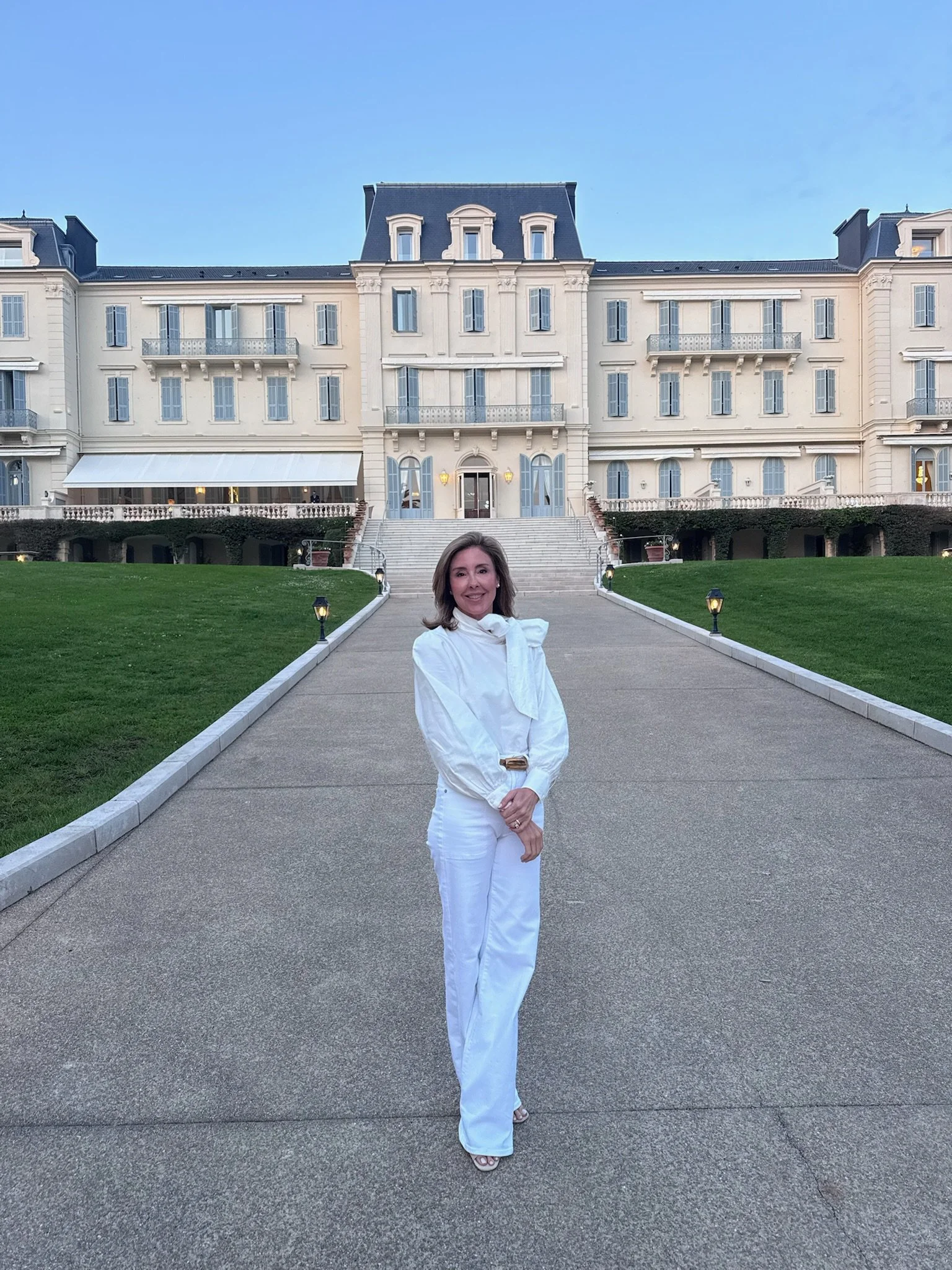
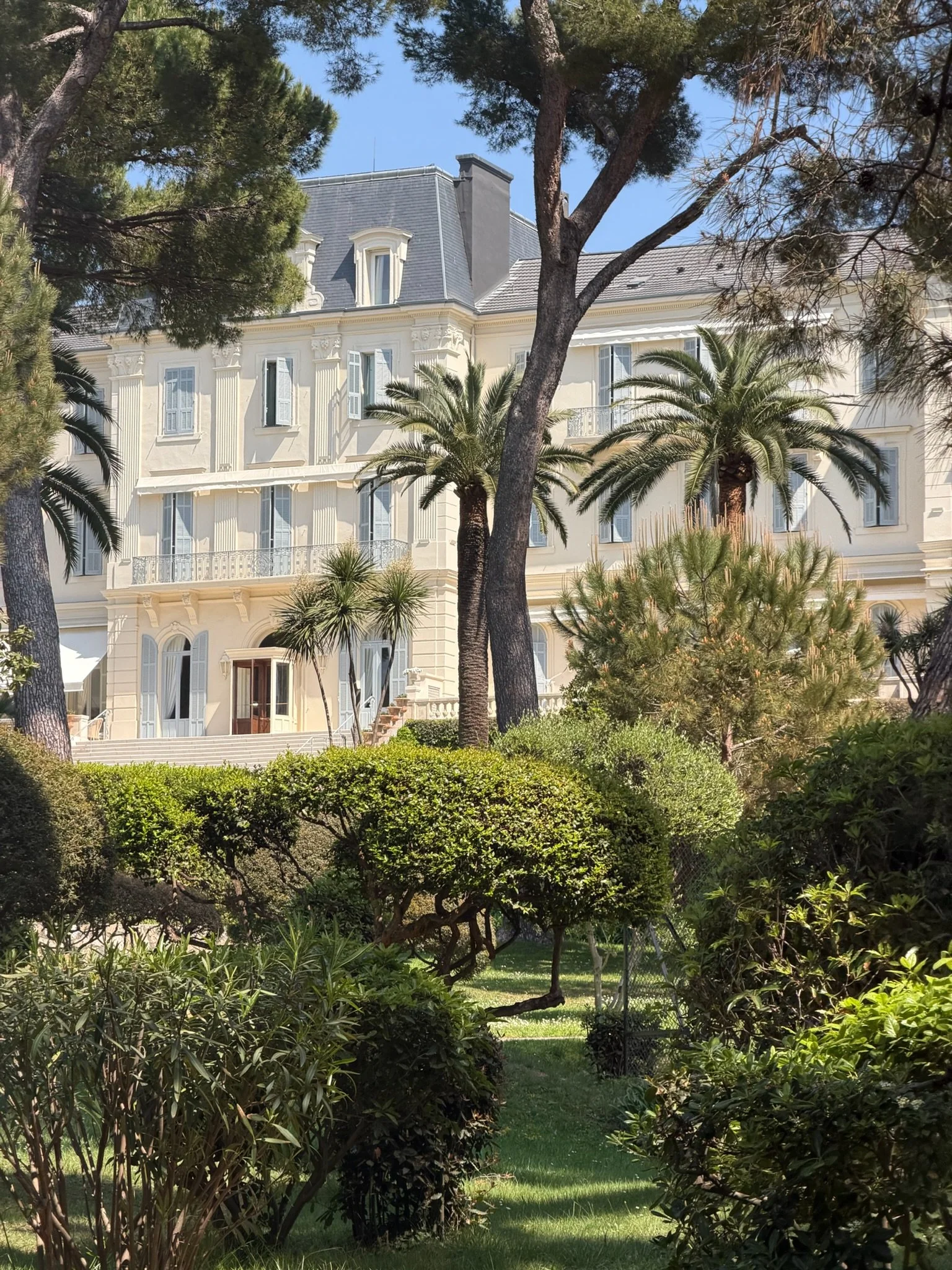
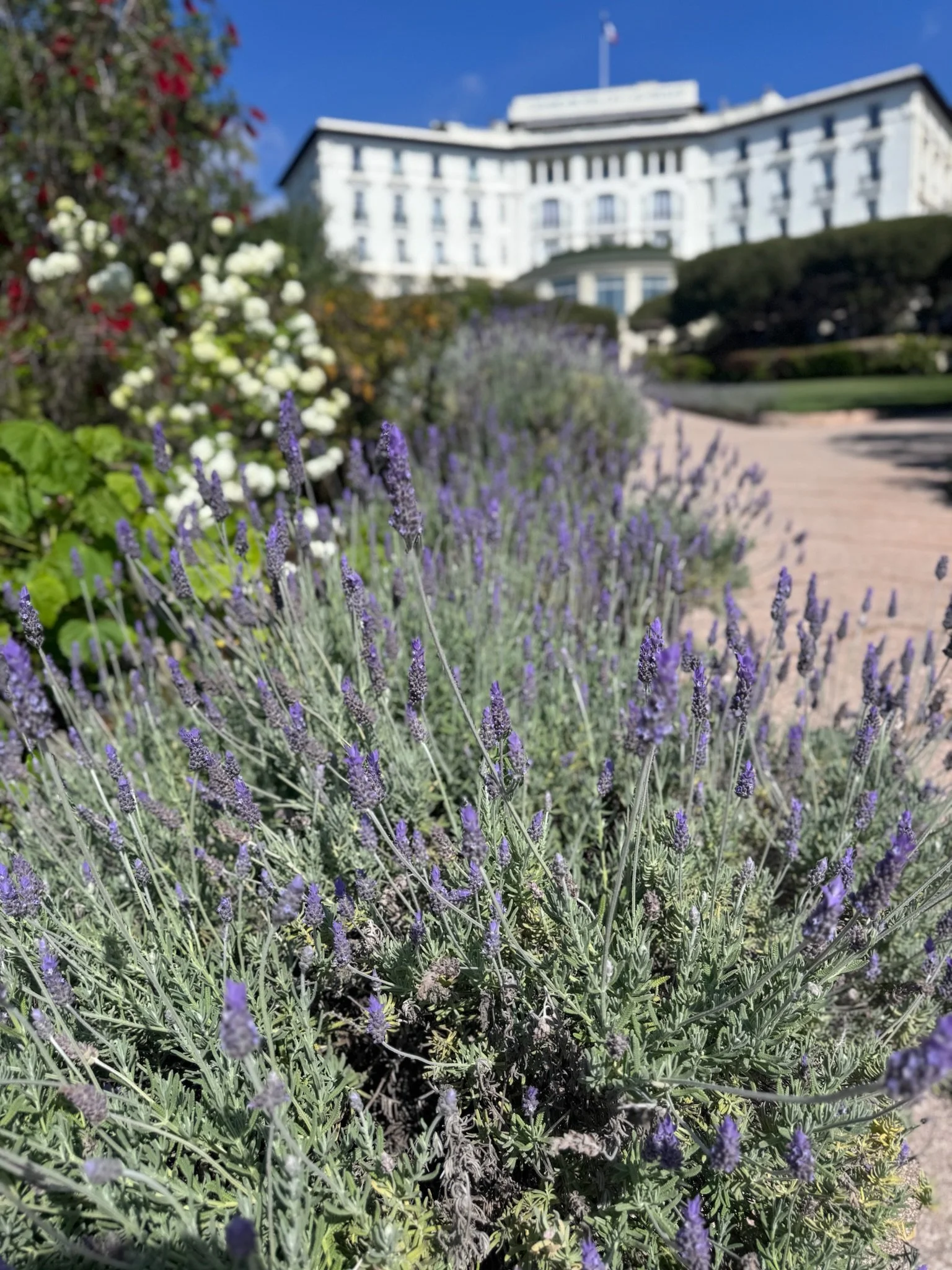
Grand-Hôtel du Cap-Ferrat
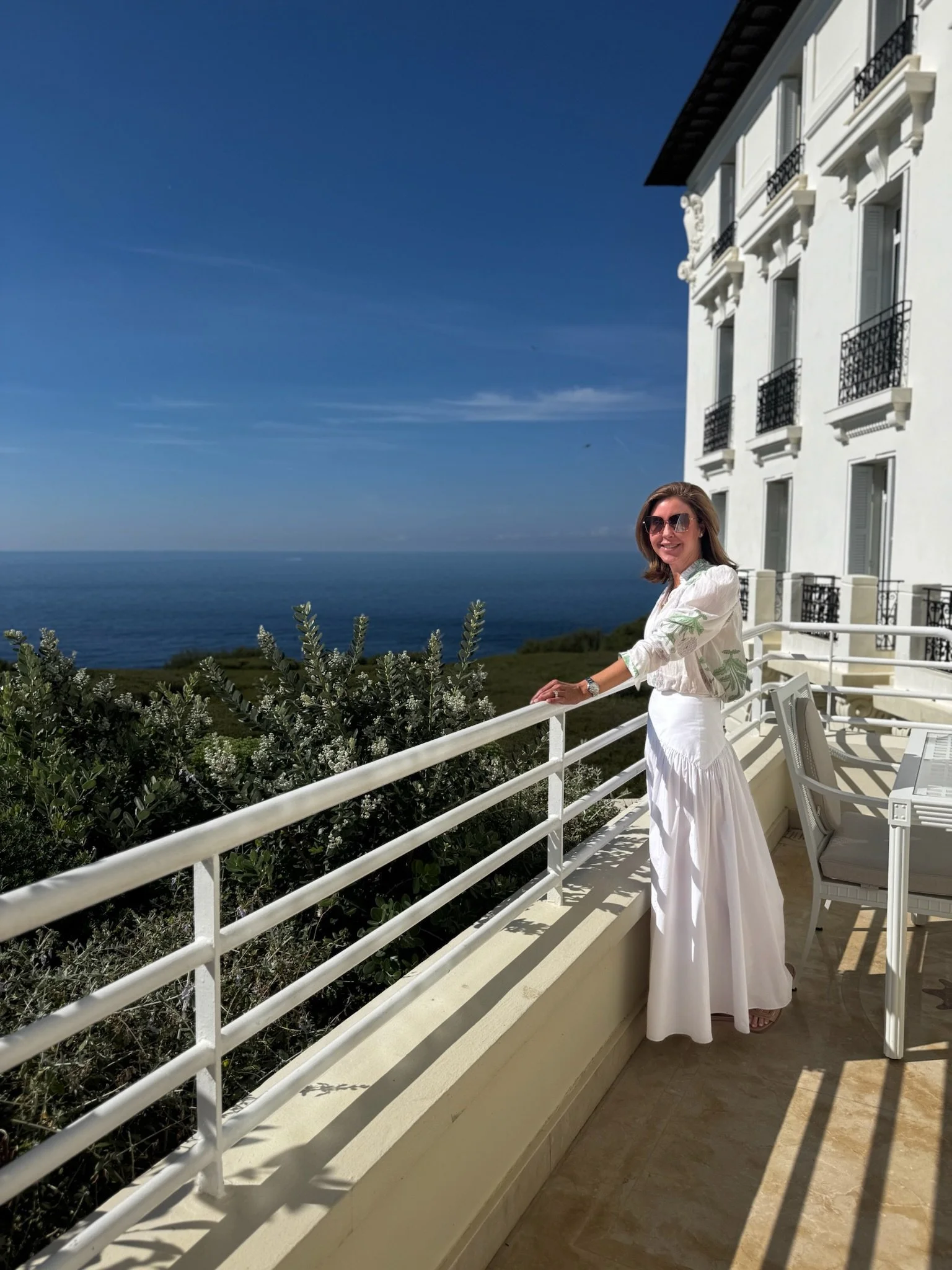
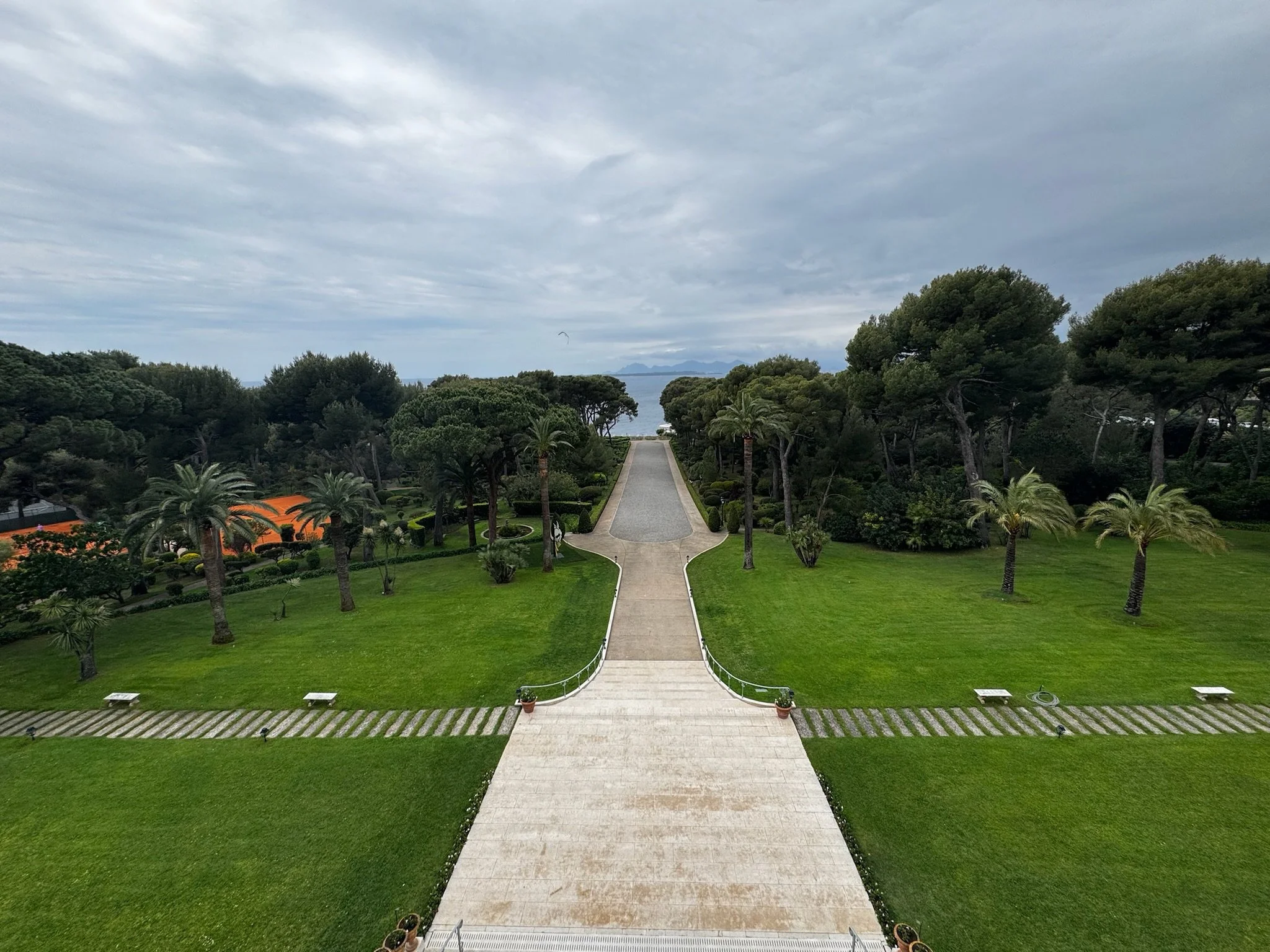
This was my favorite property of the entire trip. There’s something about the scale of it—it feels expansive and private at the same time, which is hard to find.
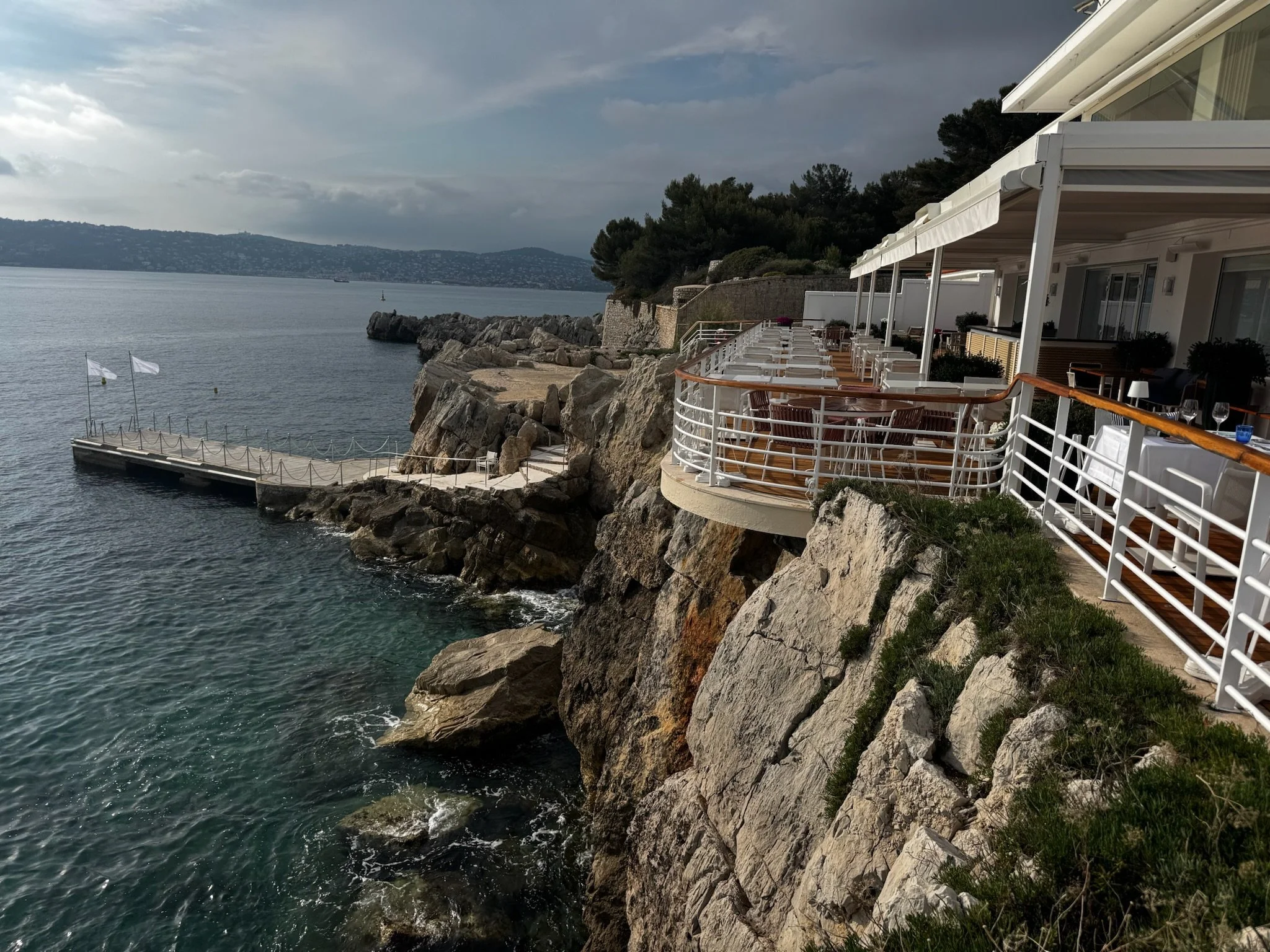
The grounds are beautifully spread out, giving you space to fully settle in without ever feeling crowded. It’s the kind of place where you don’t feel the need to leave, because everything you want is already there. From the pool to the dining to the overall setting, it creates a complete experience that feels effortless.
For me, this is the kind of property that can anchor this portion of the trip on its own.
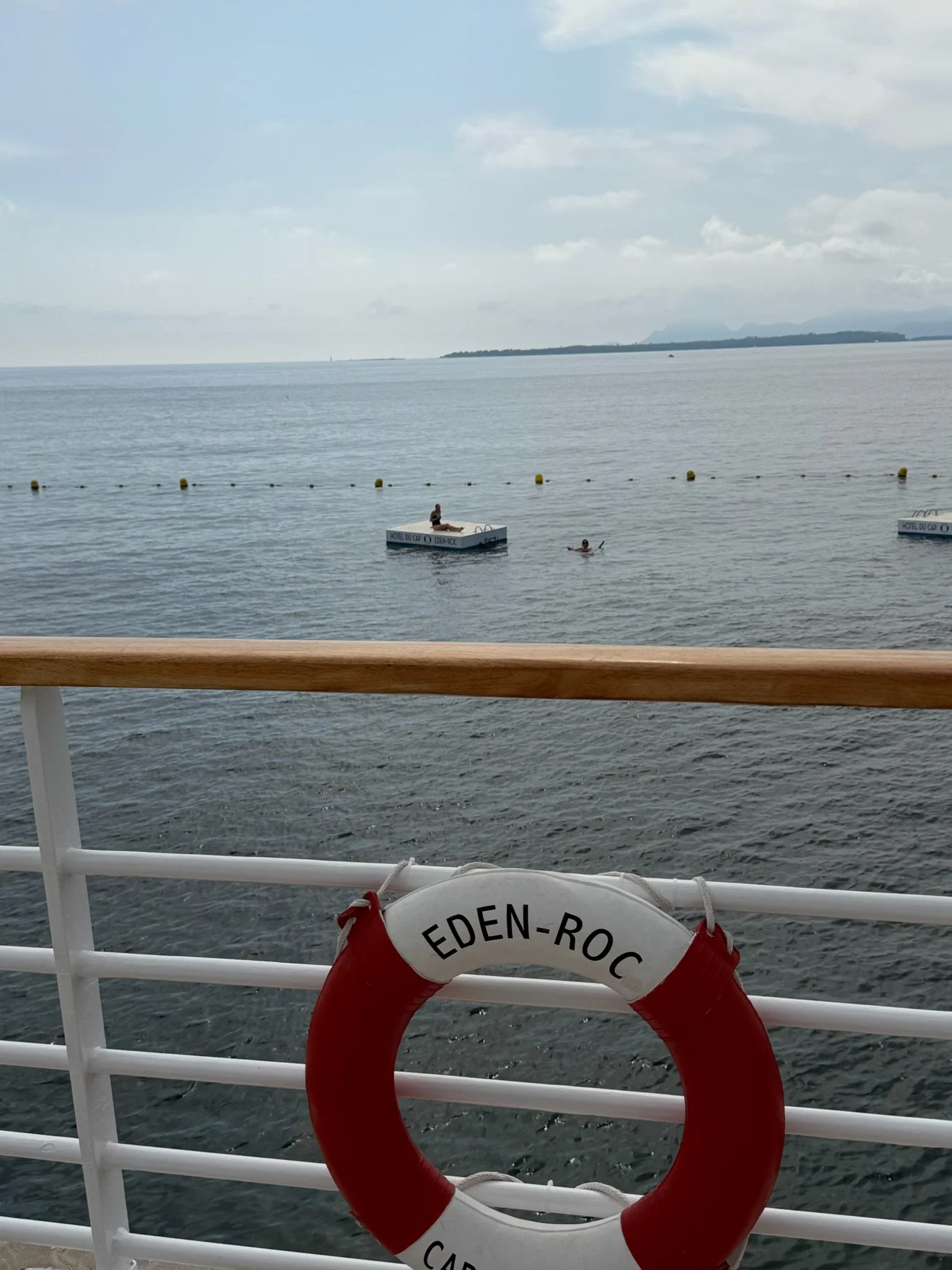
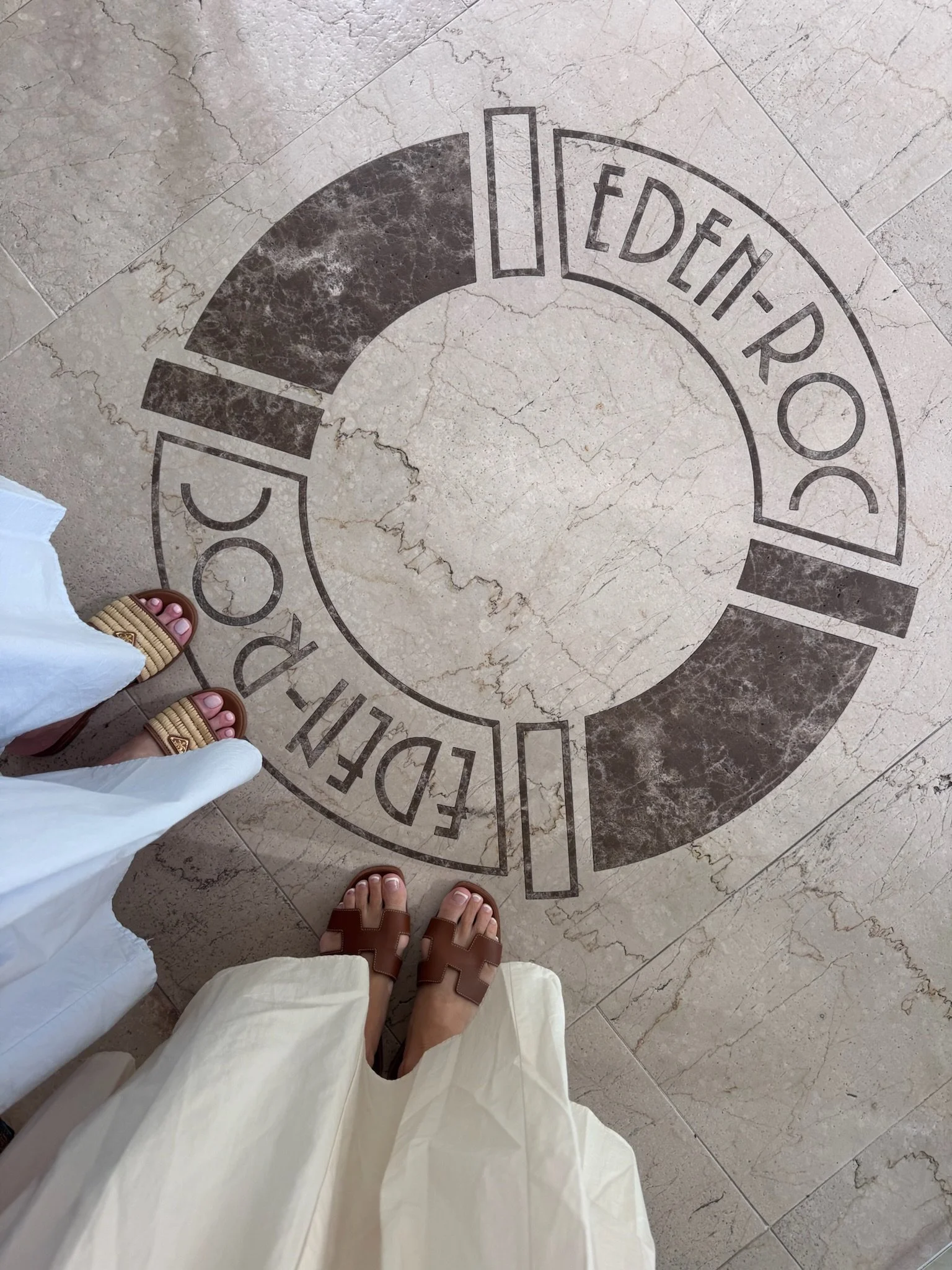
Hôtel du Cap-Eden-Roc
Antibes brings a slightly different feel—classic, coastal, and a bit more understated compared to some of the other Riviera stops.
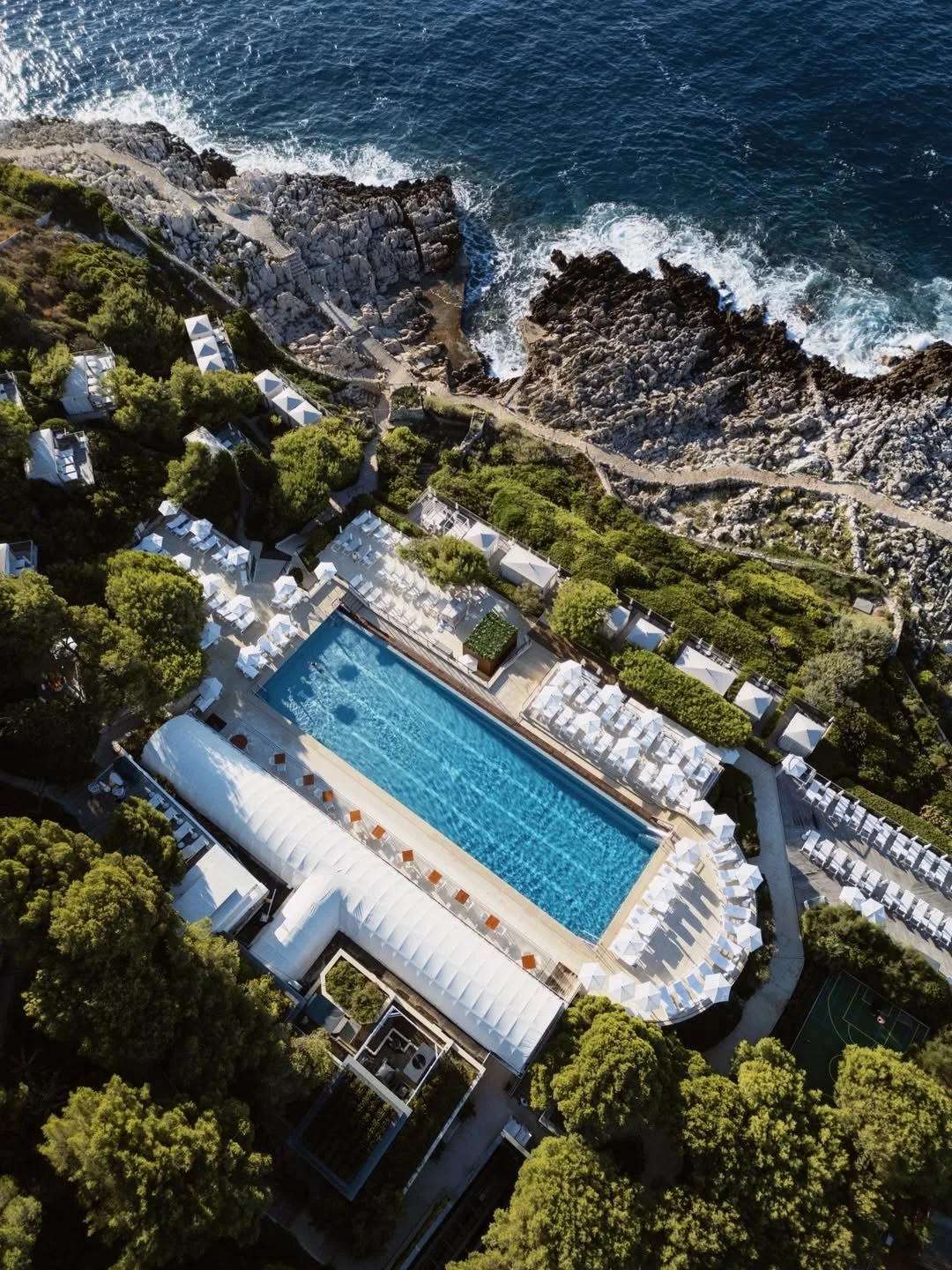
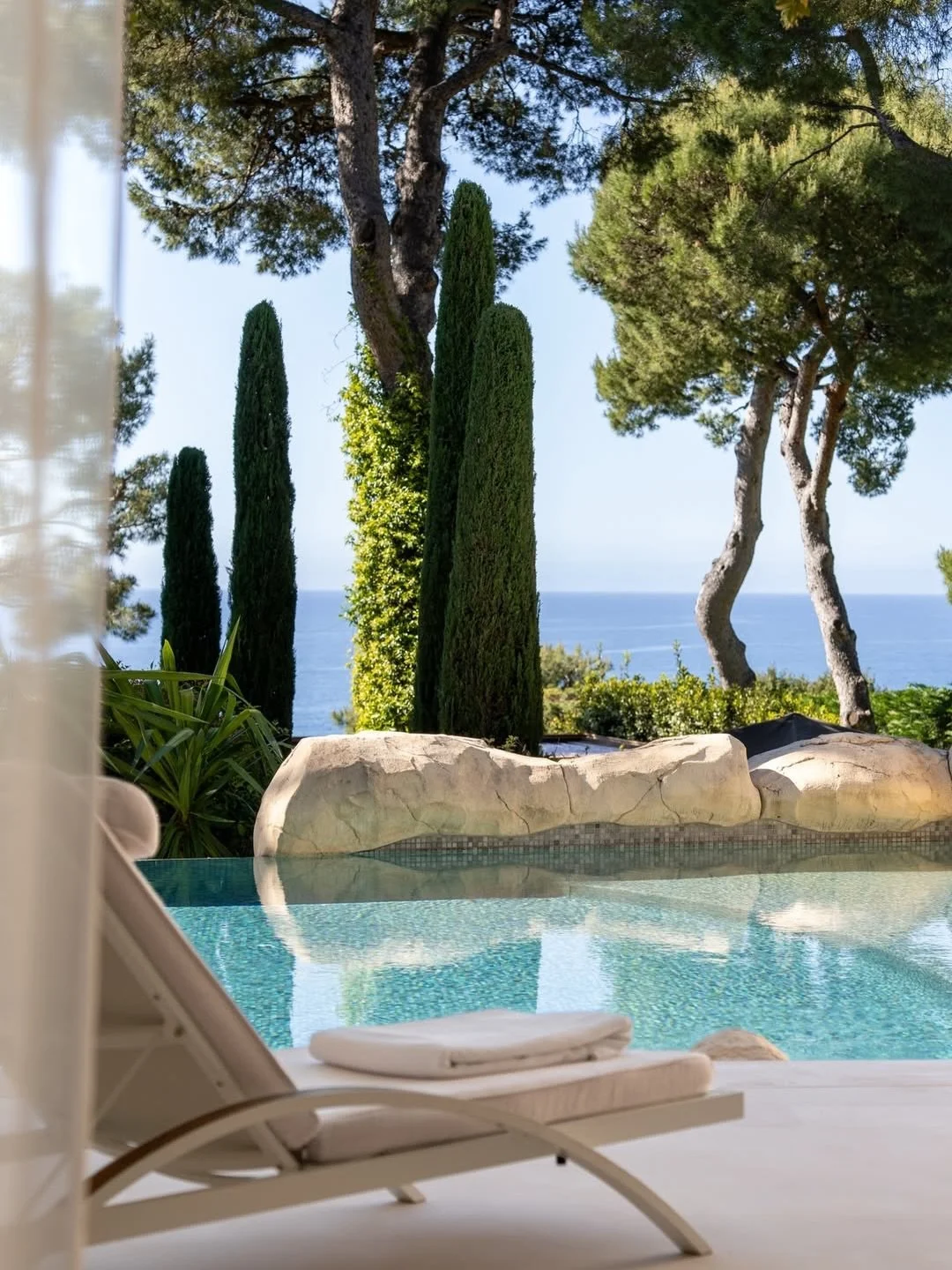
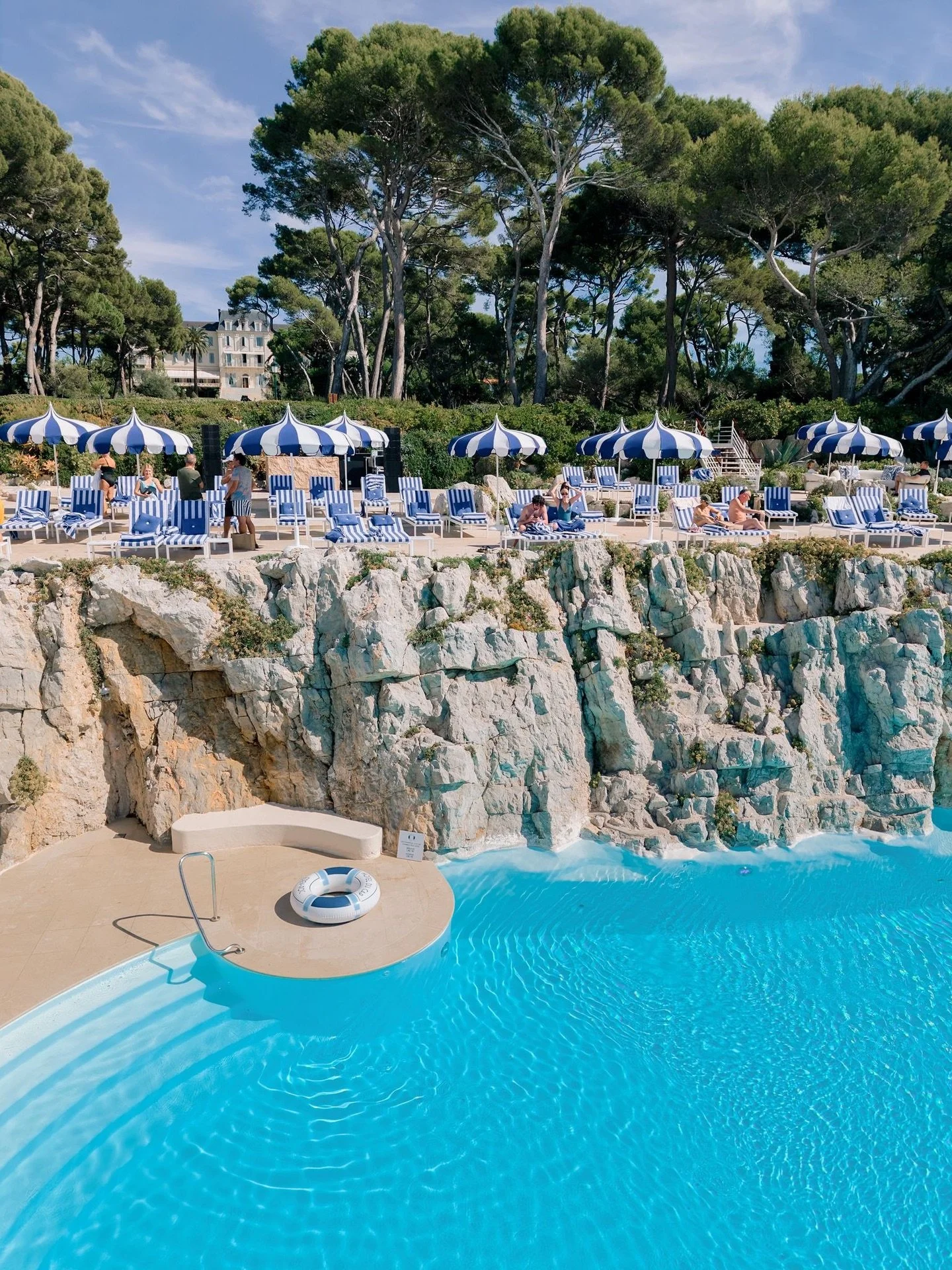
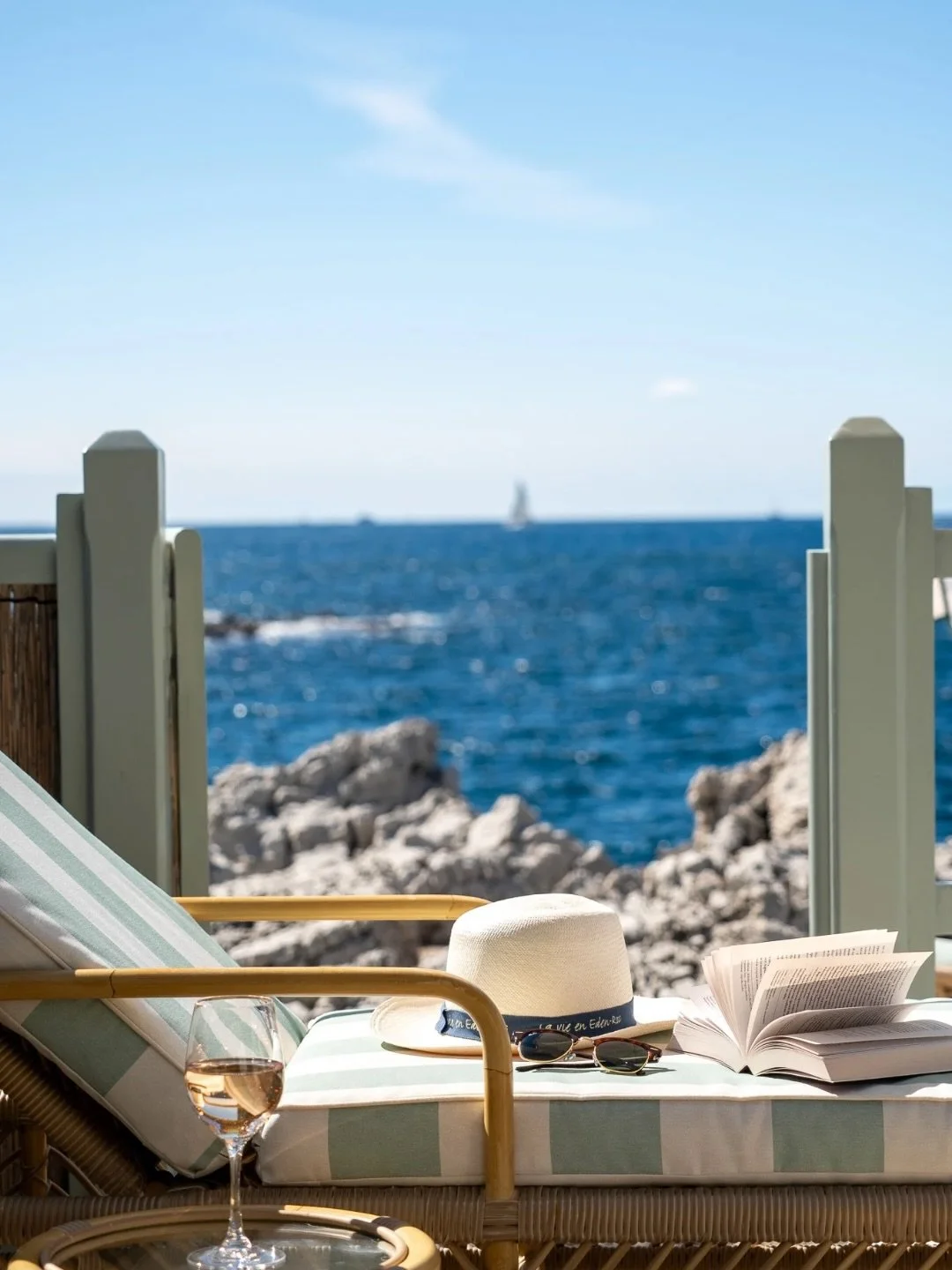
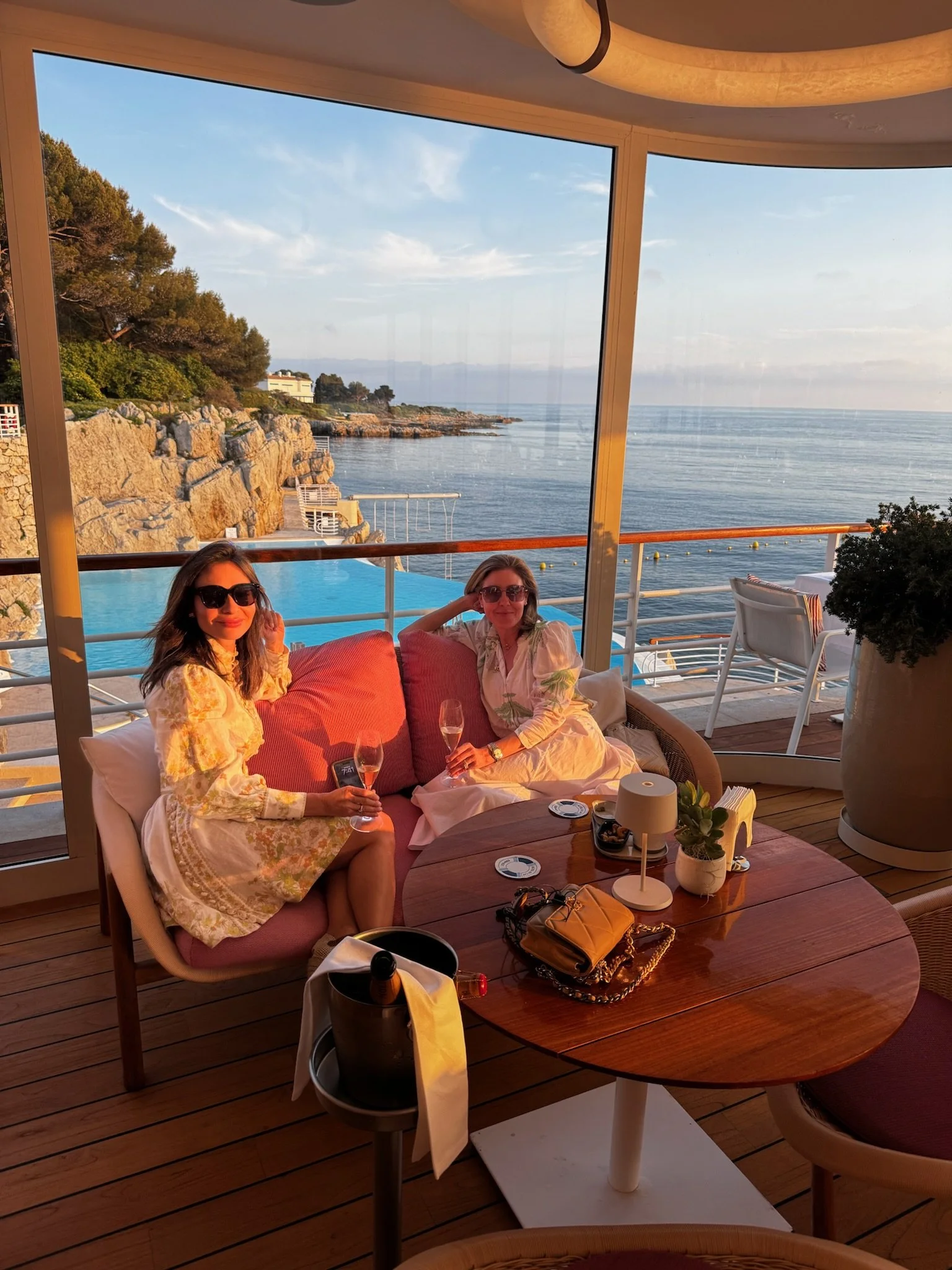
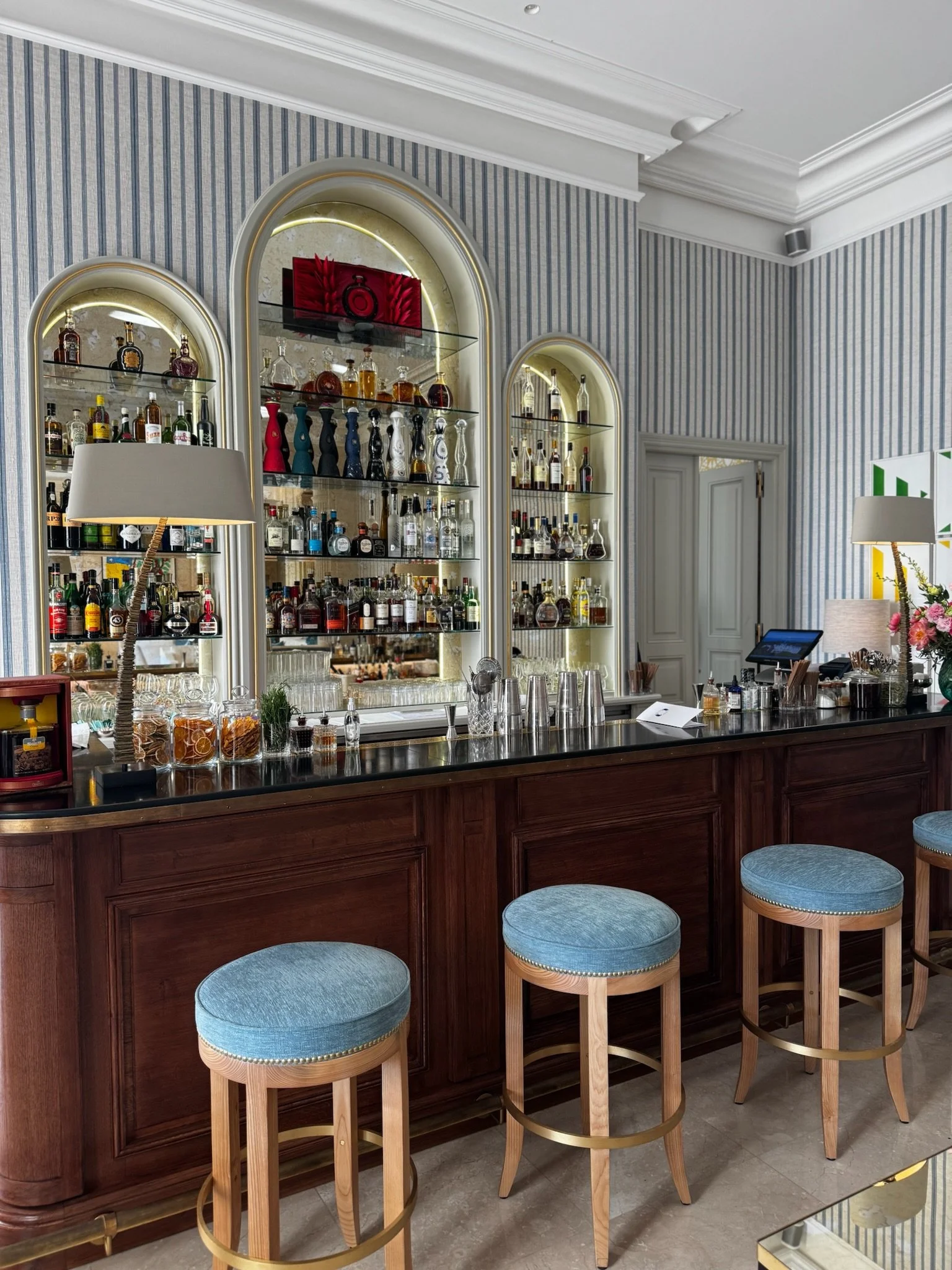
Hôtel du Cap-Eden-Roc is iconic for a reason. The service, the setting, and especially the pool all live up to expectations. There’s a timelessness to the property that feels very much in line with the Riviera’s history, but it still delivers in a way that feels relevant and elevated today.
It’s the kind of place that defines the experience of being here—where everything feels considered, and the setting does a lot of the work for you.
Domaine du Mas de Pierre
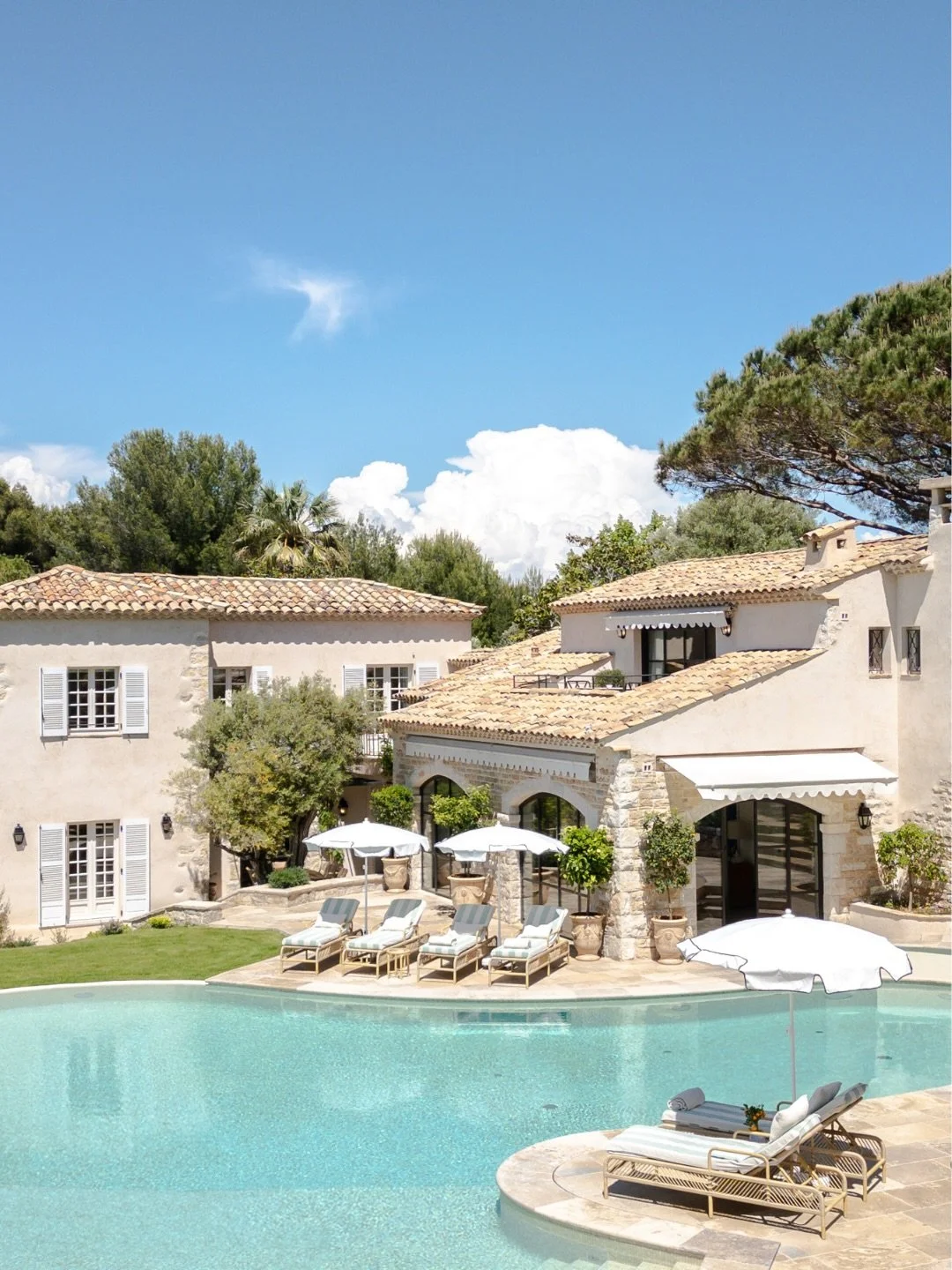
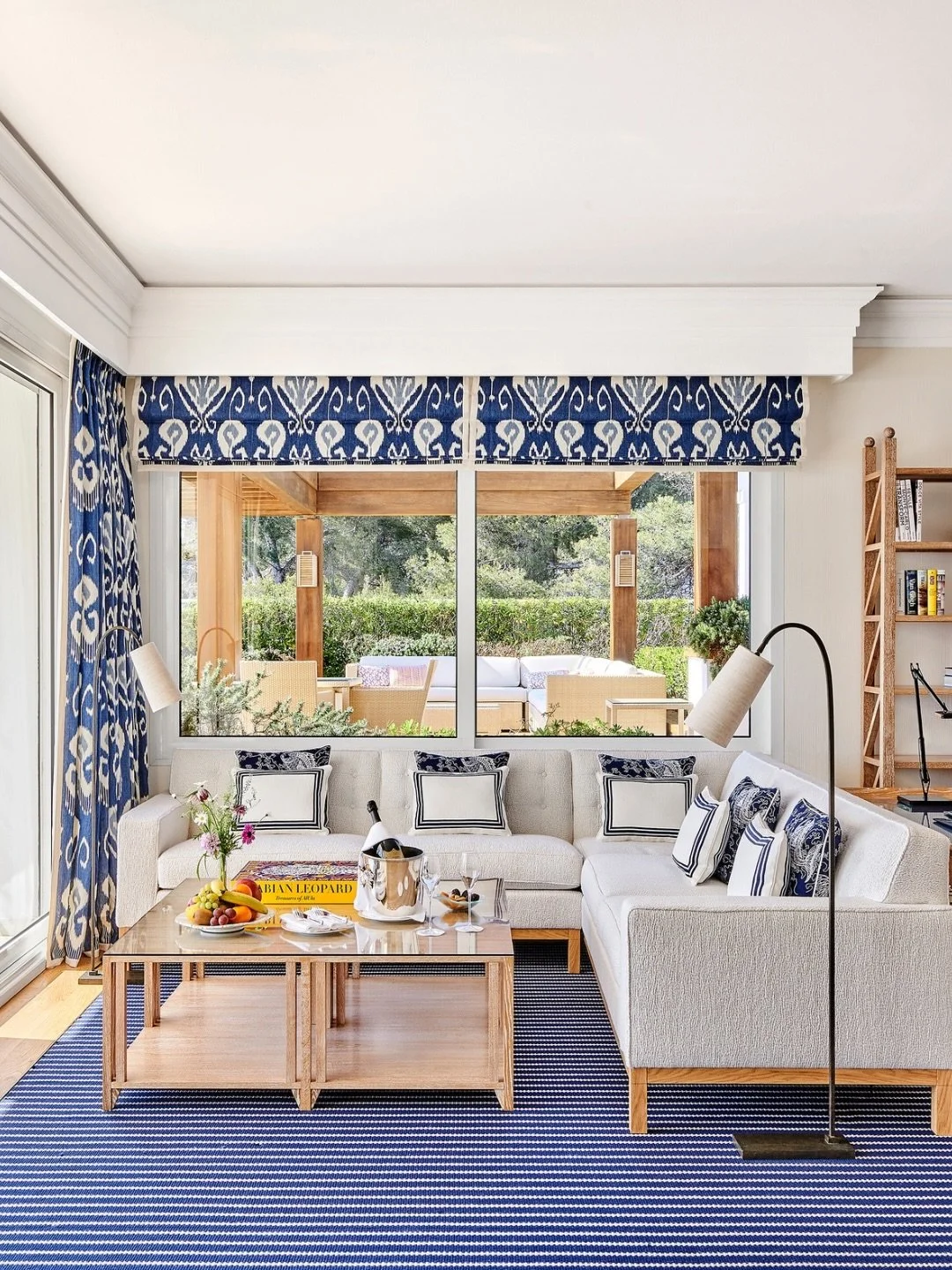
Located nearby, this is a charming alternative that offers a more relaxed and intimate feel. The property leans into a softer, more residential atmosphere, making it a great option for those who want something a bit quieter while still being well-positioned to explore the area.
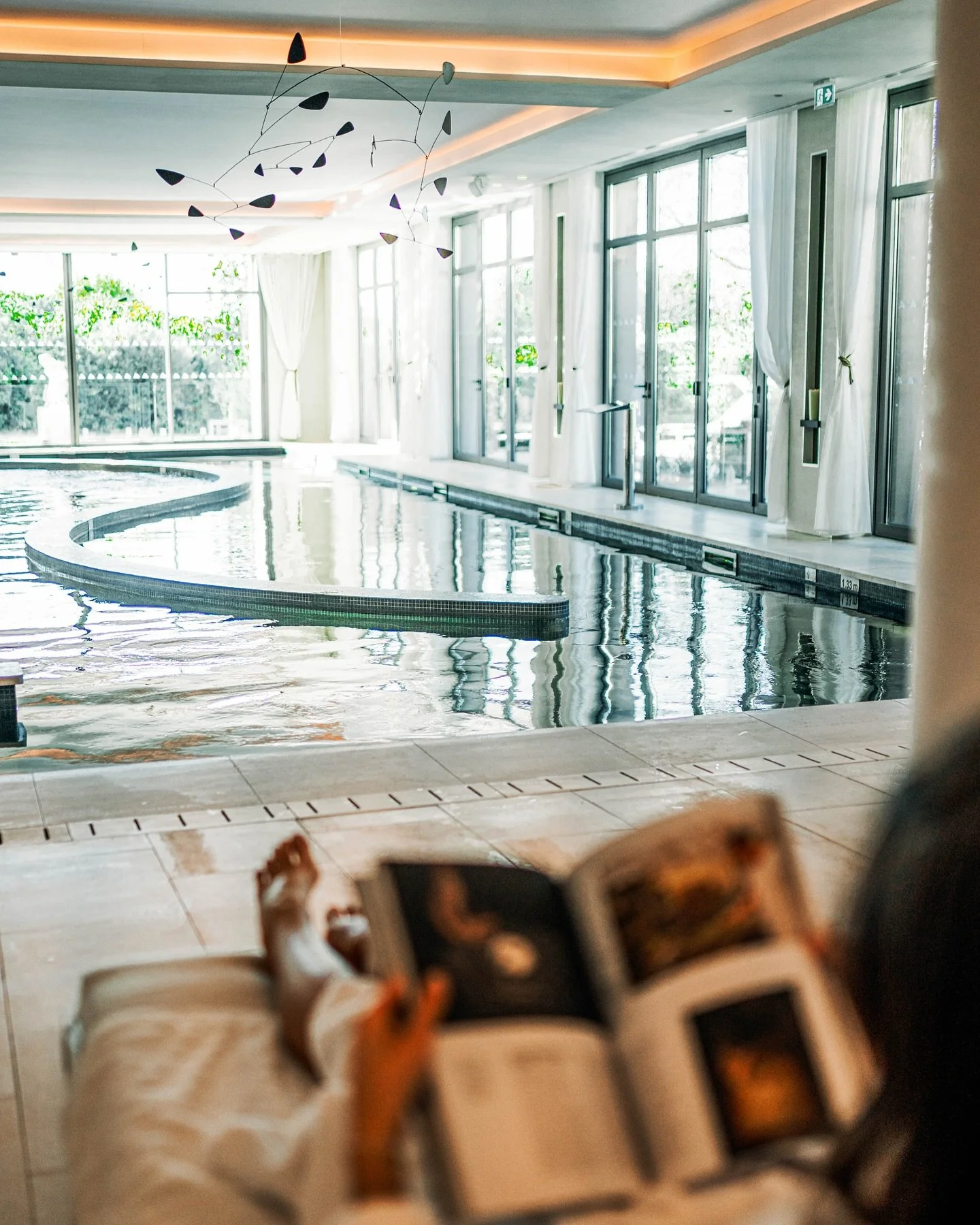
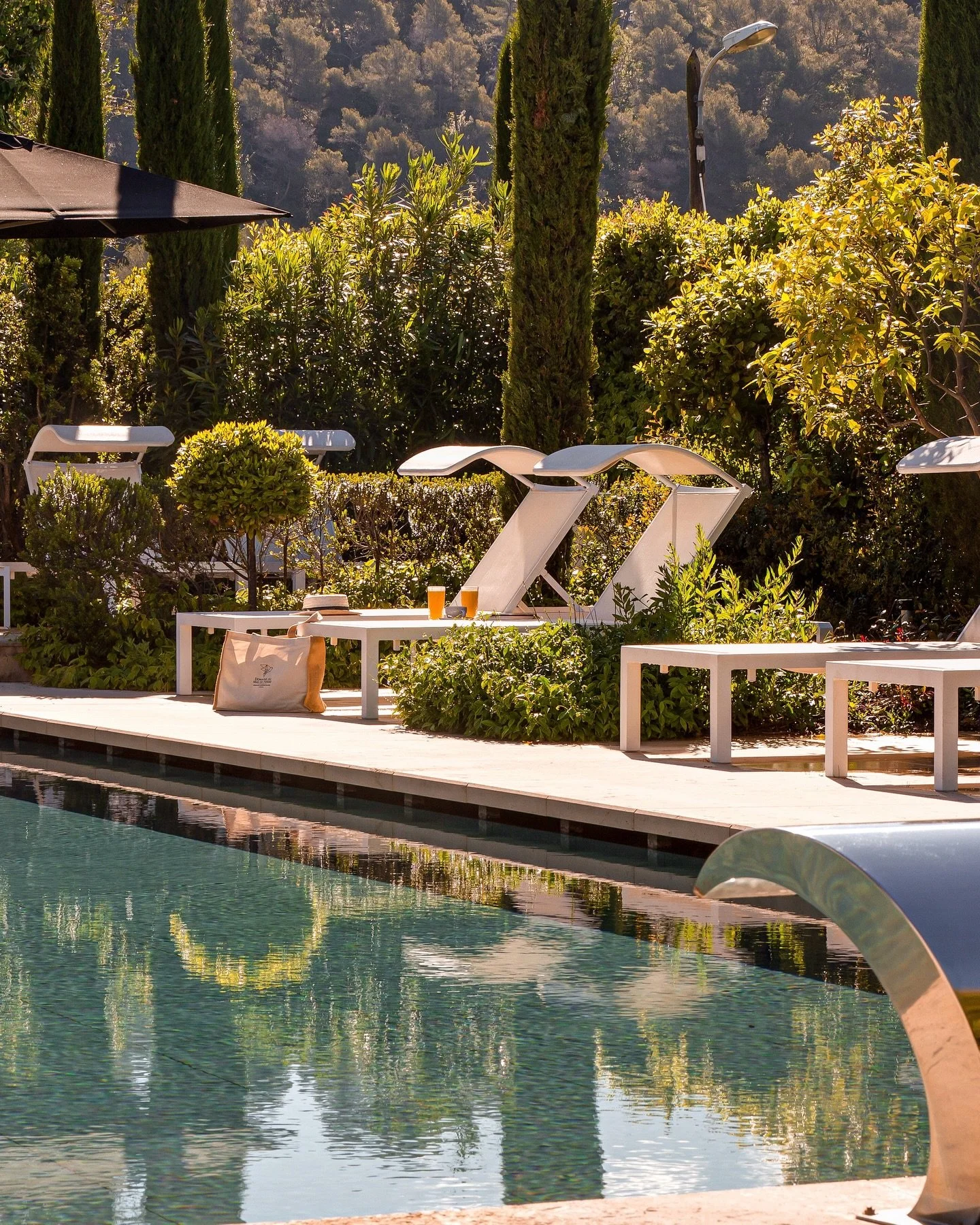
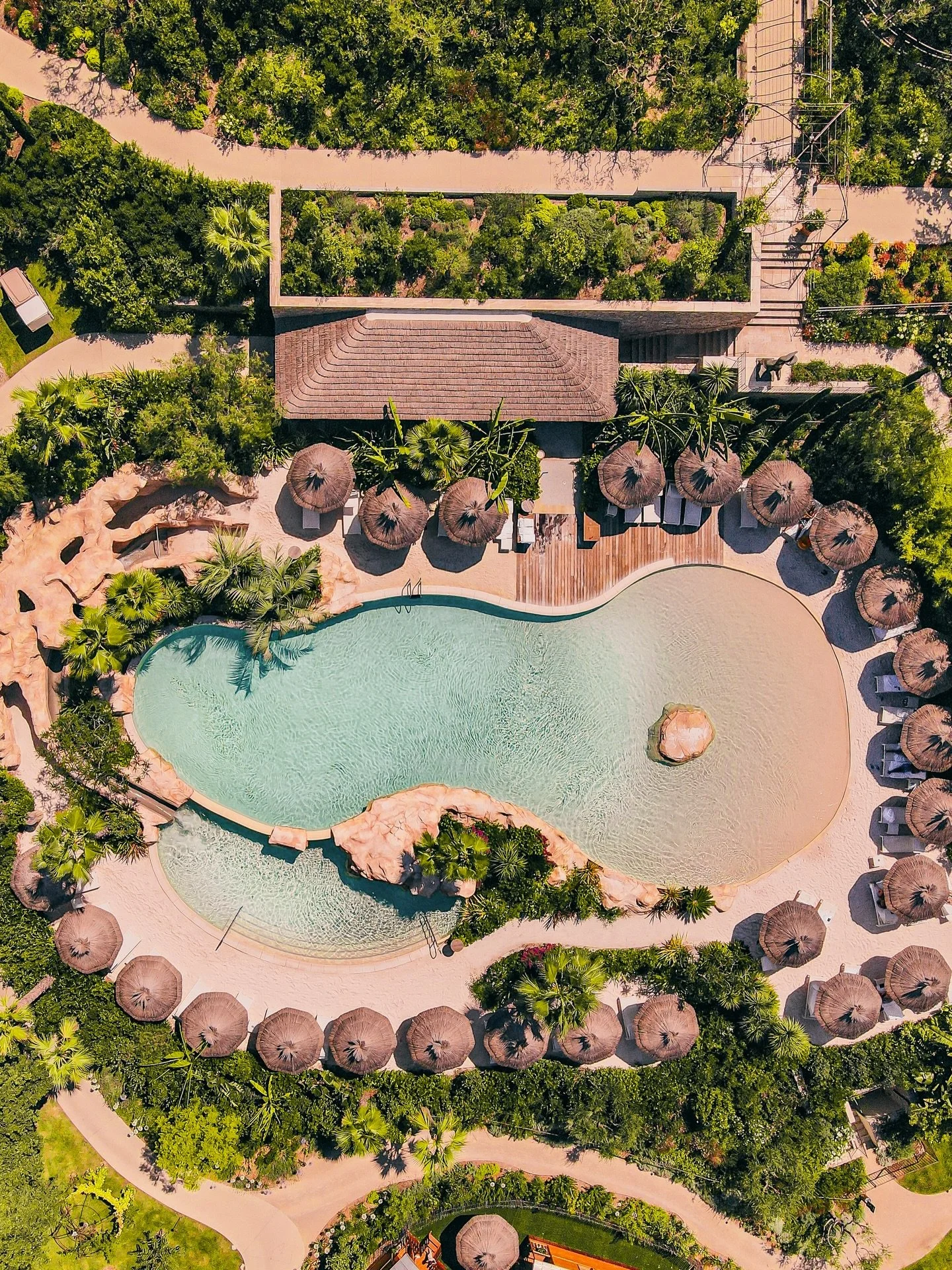
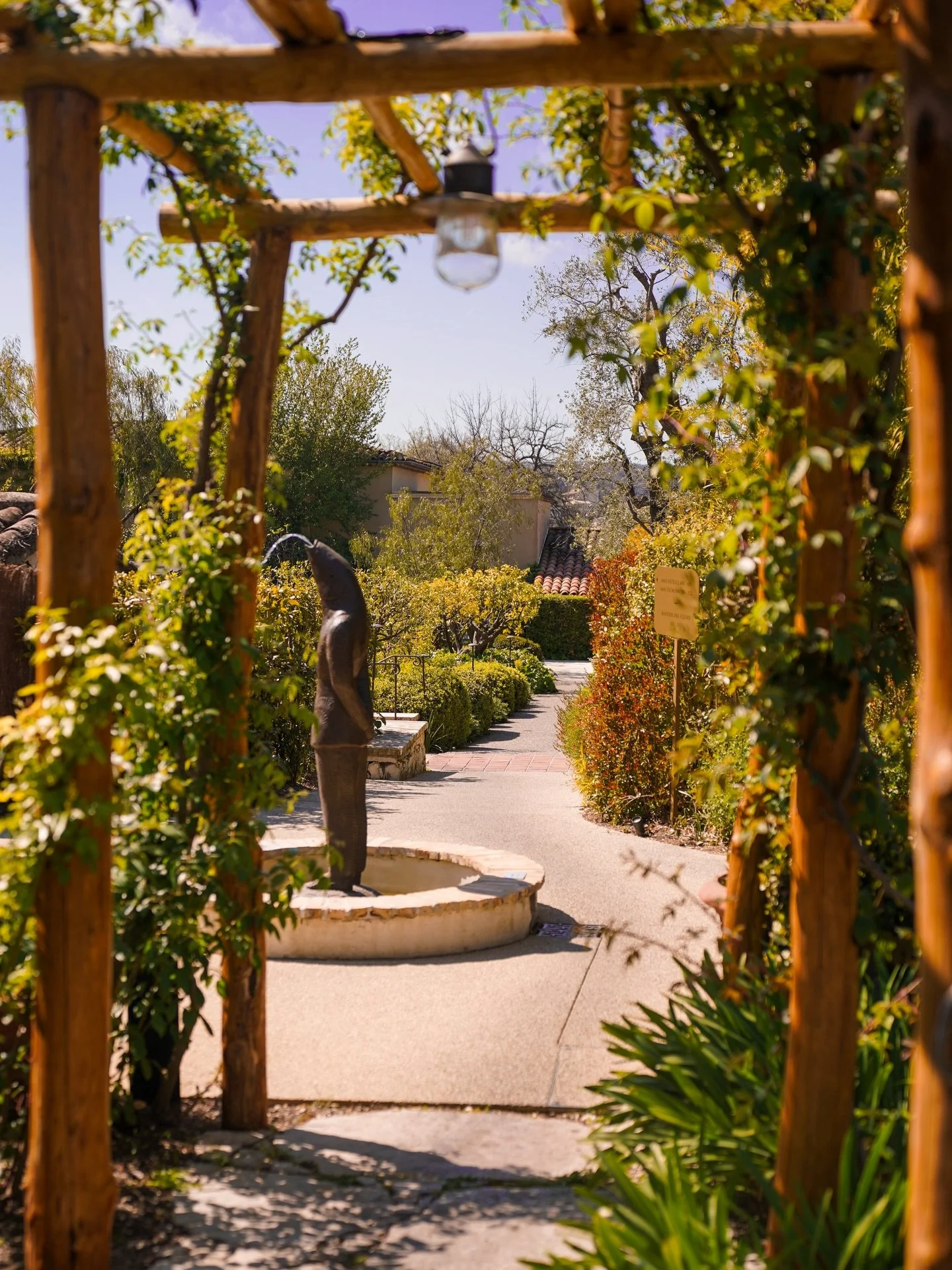
Ending the trip along this stretch of the Riviera felt like the right kind of finish—elevated, relaxed, and incredibly easy to settle into. After moving through villages, countryside, and coastline, everything here comes together in a way that feels seamless.
What stood out to me most across these 10 days is how much the experience is shaped by the flow of the trip. Starting in Aix, slowing down in the countryside, and then transitioning into the Riviera creates a natural rhythm that makes each place feel distinct, without ever feeling rushed.
This is one of those itineraries where the details really matter—where you stay, how you move between places, and how much you try to fit in. When it’s done thoughtfully, it doesn’t feel like a checklist. It feels layered, intentional, and incredibly enjoyable from start to finish.
If Provence and the French Riviera are on your list, this route is a starting point—but how it’s tailored is what makes it truly yours.
Anne believes that travel informs
the way we see, understand, and appreciate
the world. Where to?